
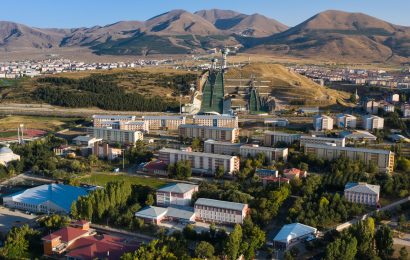
Watershed Management Strategy Based on Location-Specific Aquatic Species Diversity
1) Context and Institutional Commitment Atatürk University recognises that the Eastern Anatolia region—characterised by river systems (such as the Karasu and Aras basins), lakes, streams and high-altitude wetlands—supports unique aquatic species diversity facing pressures from land use change, aquaculture, climate variability and watershed alteration. In response, the University has developed…
Community Collaboration & Partnerships for Shared Aquatic Ecosystem Maintenance
1) Institutional Commitment to Collaborative Stewardship Atatürk University acknowledges that freshwater ecosystems in Eastern Anatolia—lakes, rivers, wetlands and their catchments—are shared community resources and require cooperative stewardship. The University has made formal commitments to engage local communities, producers, industry partners, government authorities and NGOs in joint efforts to maintain, restore…
Programmes & Incentives for Good Aquatic Stewardship
1) Institutional Commitment and Strategic Framework Atatürk University recognises the critical importance of aquatic stewardship—the practice of responsibly managing freshwater systems, ensuring sustainable aquaculture, preserving biodiversity and protecting aquatic ecosystems from over-exploitation and degradation. The University has embedded aquatic stewardship into its institutional mission and strategic plans through key units:…
Monitoring the Health of Aquatic Ecosystems
1) Institutional Framework & Mandate Atatürk University, through its dedicated institutional infrastructure, actively monitors the health of freshwater aquatic ecosystems in its region, encompassing lakes, rivers, streams, and associated habitats. The key institutional bodies facilitating this work include: The Biyoçeşitlilik Uygulama ve Araştırma Merkezi (ABBM), which supports research, specimen collection…
Plan to Minimise Alteration of Aquatic Ecosystems
1) Institutional Commitment & Strategic Basis Atatürk University recognises that its region’s freshwater ecosystems (lakes, rivers, streams) are subject to physical, chemical and biological alterations — through land-use change, aquaculture, effluent discharges, invasive species, and climate pressures. In response, the University has adopted a comprehensive “Aquatic Ecosystems Protection & Sustainable…
Policy on Preventing and Reducing Marine Pollution from Land-Based Activities
1) Policy Commitment and Scope Atatürk University has adopted a comprehensive institutional policy titled “Policy on Preventing and Reducing Lake and Water Pollution Originating from Land-Based Activities”, approved by the Rectorate in 2024.This policy establishes a university-wide commitment to preventing marine and freshwater pollution caused by on-campus and affiliated land-based…
Plastic Waste Reduction Action Plan
1) Statement of Commitment Atatürk University is committed to significantly reducing plastic waste across its campuses by implementing a structured, institution-wide Plastic Waste Reduction Action Plan. This plan aligns with the national “Tek Kullanımlık Plastikler ve Deniz Çöpleriyle Mücadele Yol Haritası (2025-2027)”, issued by the Ministry of Environment, Urbanization and…
Water-Quality Standards & Discharge Guidelines
1) Policy statement and scope Atatürk University operates under a formal Water Discharge and Quality Control Policy that covers all campus wastewater streams—domestic (residences, dining halls), healthcare and laboratories (including hazardous and medical effluents), and facility/utility sources. The policy’s objectives are to protect ecosystems, wildlife, and human health, to prevent…