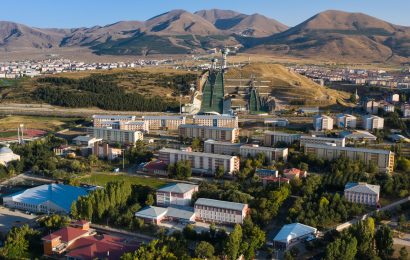
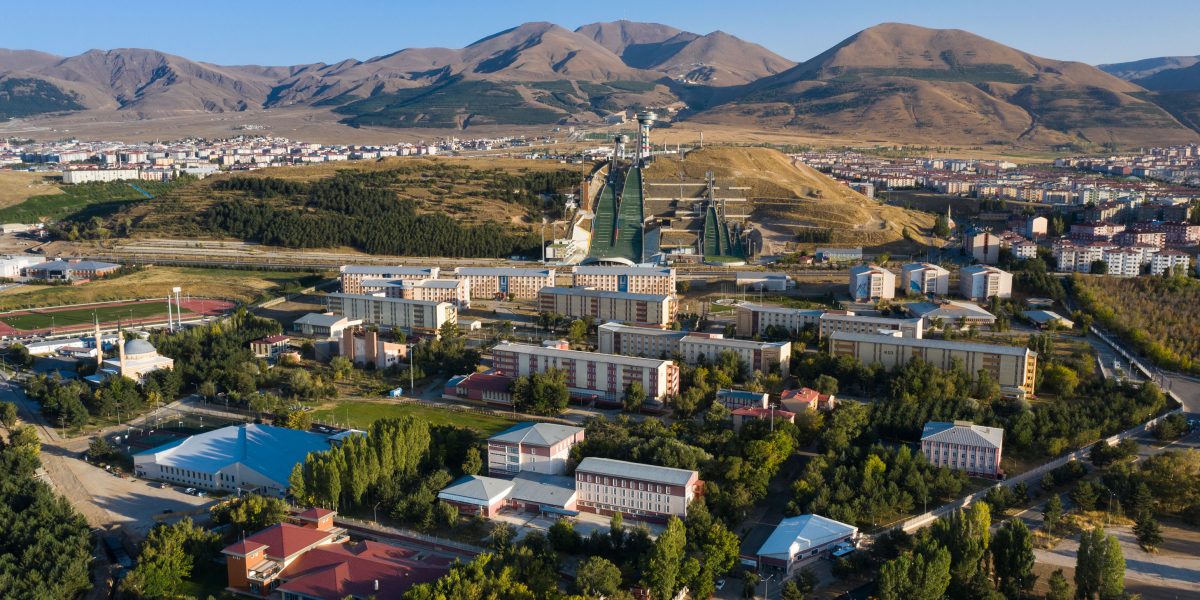
Atatürk University applies a comprehensive water-smart landscape management policy to reduce irrigation demand and promote ecological balance across its 4,000,000 m² campus area in Erzurum — one of Türkiye’s coldest and driest high-altitude cities.
The university’s Sustainability and Infrastructure Units, in collaboration with the Faculty of Agriculture and the Environmental Engineering Department, design all green areas according to low-water-use landscape standards, incorporating drought-resistant native flora and advanced irrigation technologies.
1. Climate Context and Landscape Design Approach
Erzurum’s continental climate — characterized by long, snowy winters, short summers, and low annual precipitation (~430 mm) — necessitates the use of hardy, drought-tolerant, and frost-resistant vegetation.
Atatürk University’s landscape strategy emphasizes:
-
The selection of native and cold-resistant species,
-
The use of minimal irrigation zones and soil moisture monitoring,
-
The integration of organic mulch and permeable soil designs to retain water,
-
The prioritization of perennial species over annual ornamentals,
-
The avoidance of water-demanding turfgrass lawns except for limited recreational areas.
2. Drought-Tolerant and Cold-Resistant Plant Species Used
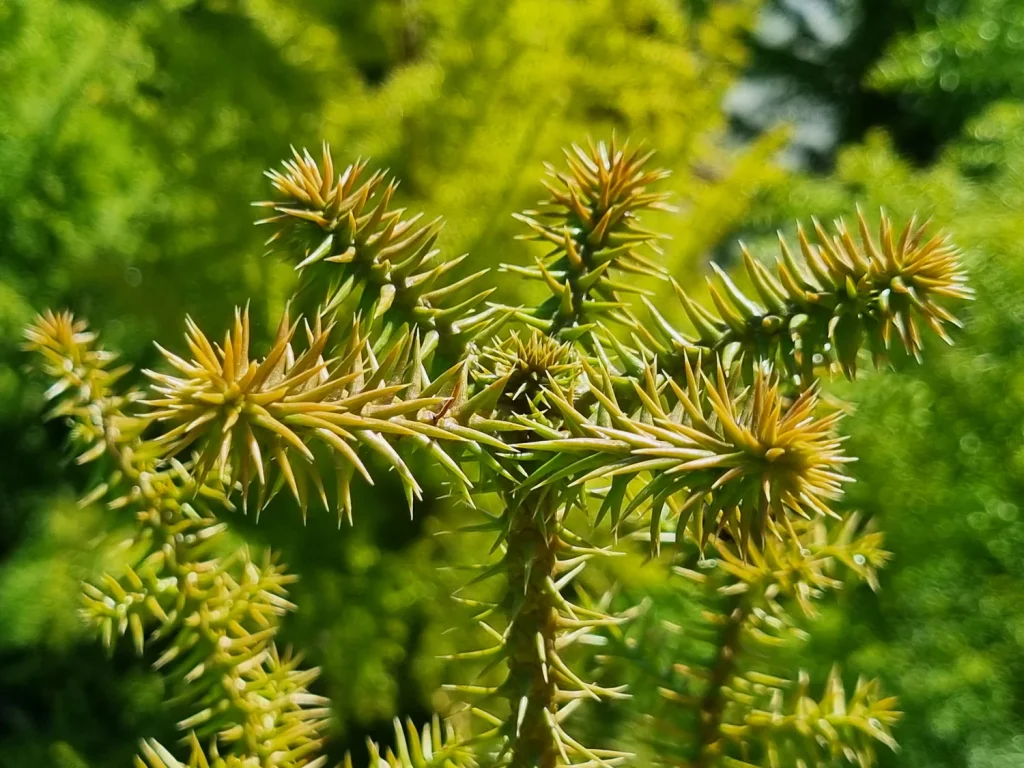
The university’s green spaces are designed with a diverse mix of indigenous and adaptive species that require minimal irrigation once established. Examples include:
| Plant Category | Species (Scientific Name) | Common / Local Name | Water Demand | Climate Suitability |
|---|---|---|---|---|
| Coniferous Trees | Juniperus communis, Picea orientalis, Pinus sylvestris, Abies nordmanniana | Juniper, Oriental Spruce, Scots Pine, Caucasian Fir | Low | High frost tolerance (-30 °C) |
| Deciduous Trees | Betula pendula, Acer platanoides, Populus tremula, Ulmus glabra | Birch, Norway Maple, Aspen, Elm | Medium-low | Hardy to cold climates |
| Shrubs & Bushes | Berberis thunbergii, Spiraea crenata, Rosa canina, Viburnum opulus | Barberry, Spirea, Wild Rose, Viburnum | Low | Native to Eastern Anatolia |
| Groundcovers & Perennials | Festuca ovina, Sedum acre, Achillea millefolium, Artemisia absinthium | Sheep Fescue, Stonecrop, Yarrow, Wormwood | Very low | Survive dry and cold soils |
| Flowering Species | Iris sibirica, Tulipa armena, Viola tricolor | Siberian Iris, Armenian Tulip, Wild Violet | Low | Short-bloom, frost-tolerant |
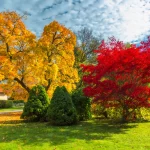
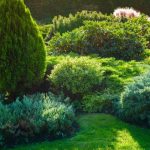
These species were selected based on their native origin, low evapotranspiration rates, and proven adaptation to Erzurum’s semi-arid, high-elevation environment (1,850 m).
3. Green Space Composition and Water Efficiency
Atatürk University’s current landscape composition (as of 2024) reflects a strong emphasis on sustainable vegetation and efficient irrigation:
| Landscape Type | Area (m²) | Average Annual Water Use (liters/m²) | Planting Style | Efficiency Practice |
|---|---|---|---|---|
| Tree-covered green zones | 1,200,000 | 40 | Native conifers and deciduous trees | Mulching, deep watering only twice a month |
| Shrub/flower beds | 300,000 | 30 | Native perennials and shrubs | Drip irrigation system |
| Turfgrass & recreational fields | 150,000 | 100 | Limited to sports facilities | Smart irrigation scheduling |
| Xeriscape & rock gardens | 200,000 | 10 | Drought-tolerant species | No regular irrigation |
| Total landscaped area | 1,850,000 m² | — | — | — |
4. Sustainable Irrigation and Maintenance Systems
-
Drip Irrigation and Moisture Sensors:
All new landscape developments use drip irrigation systems integrated with soil moisture sensors and weather-based controllers. Irrigation occurs only when soil humidity drops below 25 %, reducing water use by up to 45 % compared to traditional sprinklers. -
Rainwater Harvesting for Irrigation:
Collected rainwater from building rooftops is stored in underground cisterns and used for irrigating trees and green corridors during summer months. -
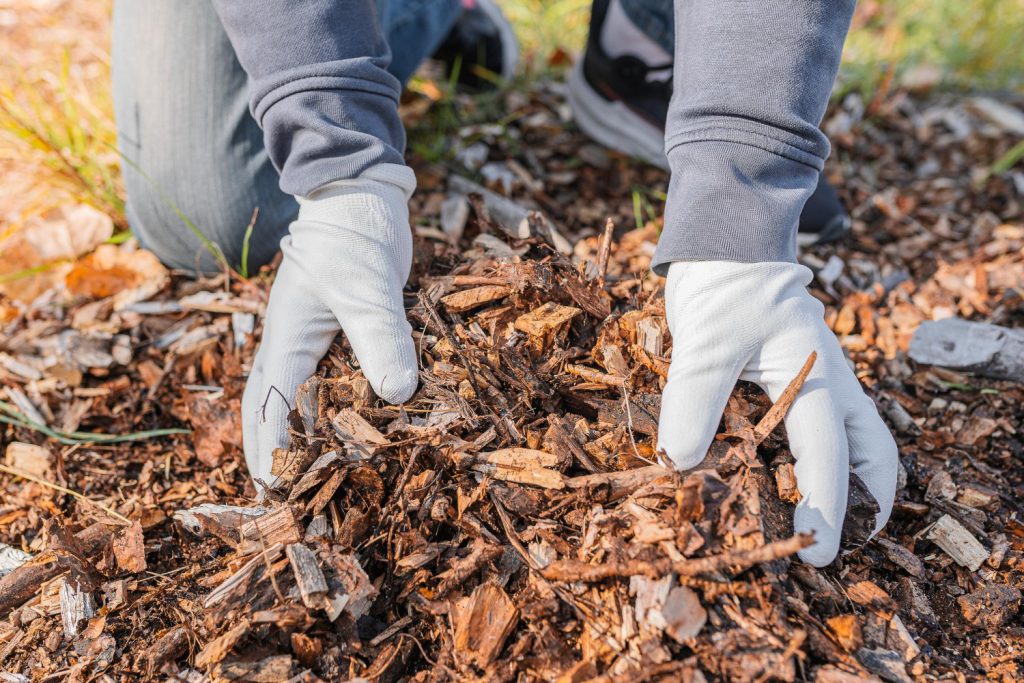
Mulching and Soil Retention Practices:
Layers of organic mulch, pine bark, and gravel are applied around plants to minimize evaporation and suppress weed growth, improving water retention in the soil.
-
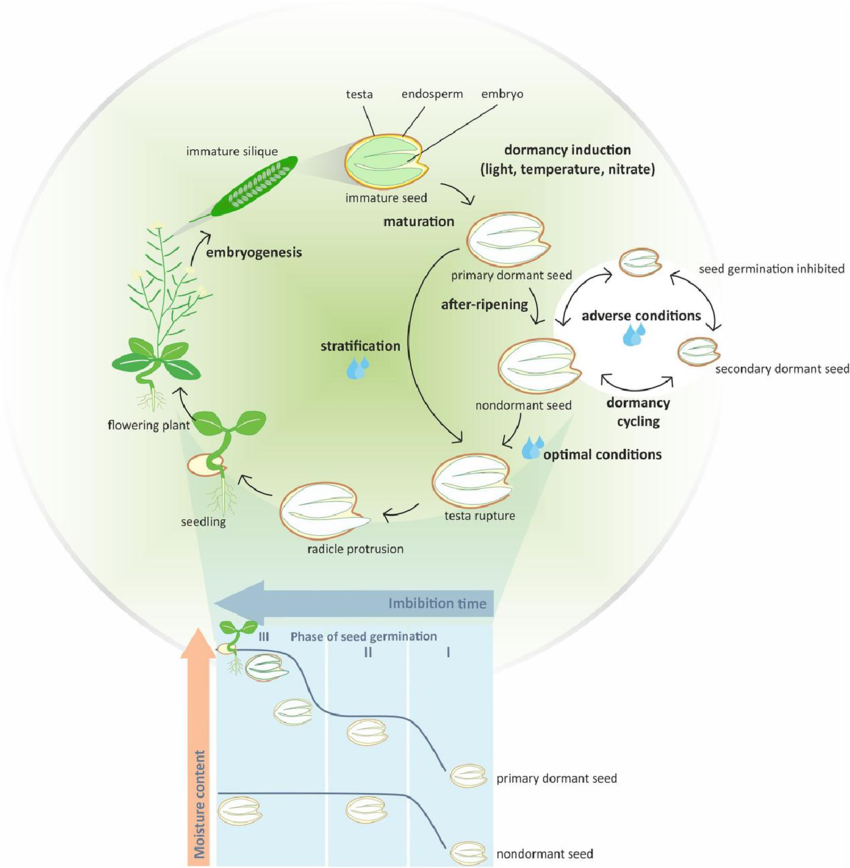
Winter Protection Strategy:
For frost-prone months (November–March), irrigation systems are shut off, and plants enter a natural dormancy cycle, reducing water needs to nearly zero.
5. Biodiversity and Ecological Benefits
The use of native and drought-resistant plants supports local biodiversity while conserving water. These landscapes provide habitats for regional bird species (e.g., Carduelis carduelis, Turdus merula), pollinators (e.g., honey bees, wild butterflies), and small mammals.
Through this approach, Atatürk University combines water conservation, ecological balance, and visual sustainability, aligning with SDG 6.3 and SDG 15 (Life on Land).
6. Tree Plantation and Greening Statistics (2024)
| Plant Type | Number of Trees / Plants | Percentage of Total Green Stock |
|---|---|---|
| Coniferous Trees (Pinus, Abies, Juniperus) | 15,000 | 45 % |
| Deciduous Trees (Acer, Betula, Populus, Ulmus) | 9,500 | 28 % |
| Shrubs and Bushes (Rosa, Berberis, Spiraea) | 6,800 | 20 % |
| Groundcovers and Perennials (Festuca, Sedum, Achillea) | 2,700 | 7 % |
| Total | 34,000+ living plants | 100 % |
Tree-planting activities are carried out annually in cooperation with the Environmental Application and Research Center (Çevre Uygulama ve Araştırma Merkezi), contributing to carbon sequestration and ecosystem resilience.