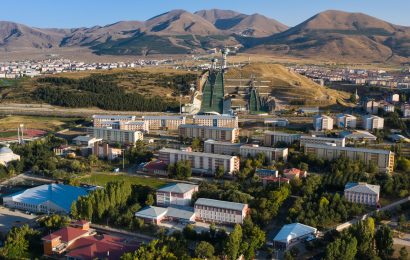
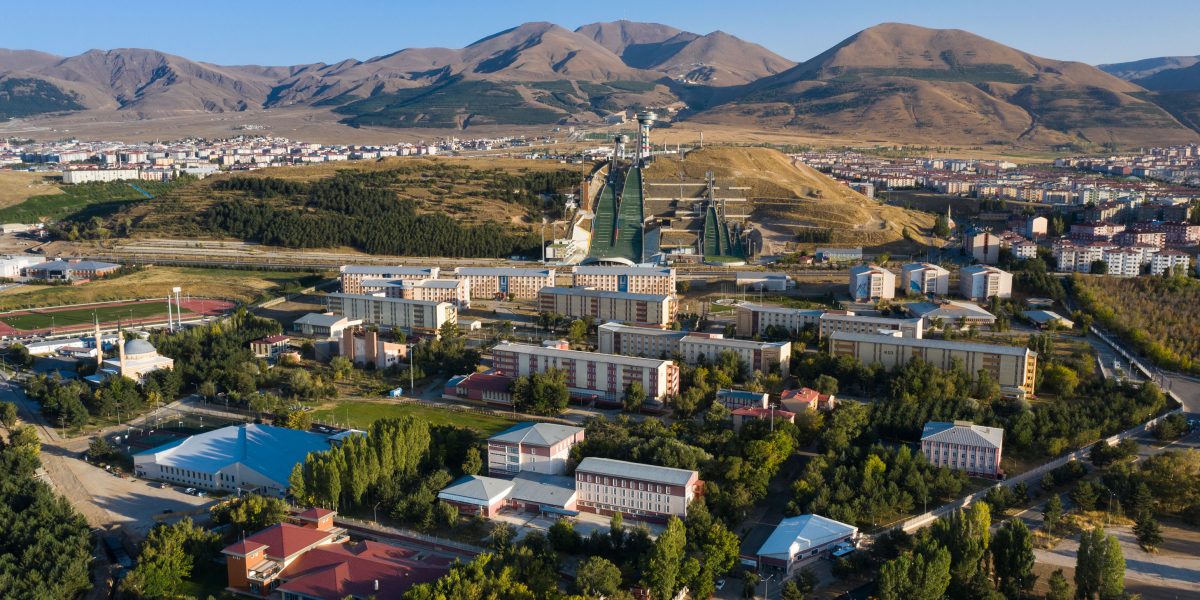
Atatürk University has established a structured system to measure, monitor, and expand water reuse as part of its sustainability strategy and commitment to the UN Sustainable Development Goal 6 (Clean Water and Sanitation). The university’s Big Data Management Office, in collaboration with the Infrastructure Department and the Faculty of Engineering, oversees data collection and planning for future water reuse initiatives, ensuring that all reuse potential is measured and continuously developed.
1. Institutional Monitoring Framework
The Big Data Management Office operates a Water Monitoring and Analytics Module that records:
-
Monthly potable water supply from municipal sources,
-
Total wastewater discharged to the Erzurum Wastewater Treatment Plant (ESKİ), and
-
Quantified non-potable water reused or conserved through existing and planned systems.
This digital module, integrated into the university’s sustainability database, enables accurate tracking of baseline consumption and supports forecasting for upcoming greywater reuse and rainwater harvesting projects.
2. Current Reuse Measurement Practices (2024)
| Water Reuse Category | Status | Measurement / Planning Scope | Reuse Purpose |
|---|---|---|---|
| Laboratory process water recovery | Active (4100 l/year) | Condensate recovery from cooling systems and distillation units is metered and reused | Equipment cooling |
| HVAC condensate recovery | Active (3500 l/year) | Condensate from air-handling units collected and reused within mechanical systems | Cooling tower makeup water |
| Greywater treatment units | Project phase (2025–2026) | Designs for pilot greywater systems in dormitories and Engineering Faculty buildings | Toilet flushing and irrigation |
| Rainwater harvesting systems | Project phase (2025–2026) | Rooftop collection and storage tanks planned for Central Library and Rectorate Annex | Landscape irrigation |
| Total measured reused water (2024) | — | 9,650 liters/year (active reuse) + projected reuse capacity of 25,000 liters/year by 2026 | — |
Although greywater and rainwater systems are in the engineering design and feasibility stage, active measurement infrastructure and digital water monitoring already ensure accurate baseline tracking and model calibration for future reuse.
3. Planning and Implementation Roadmap
-
2025–2026 (Design & Pilot Phase):
Implementation of pilot greywater systems and rainwater collection tanks in three key buildings. Flow sensors and sub-meters are being installed to record reuse volumes automatically. -
2026–2030 (Expansion Phase):
Integration of reuse systems into all new LEED-aligned buildings; full connection to the Big Data Dashboard for real-time analytics. -
Long-term Vision:
Achieve at least 50,000 liters of annual water reuse through combined greywater, condensate, and rainwater systems by 2030, reducing potable water consumption by 25 % compared to 2023 levels.
4. Research and Academic Integration
-
Student and Faculty Involvement:
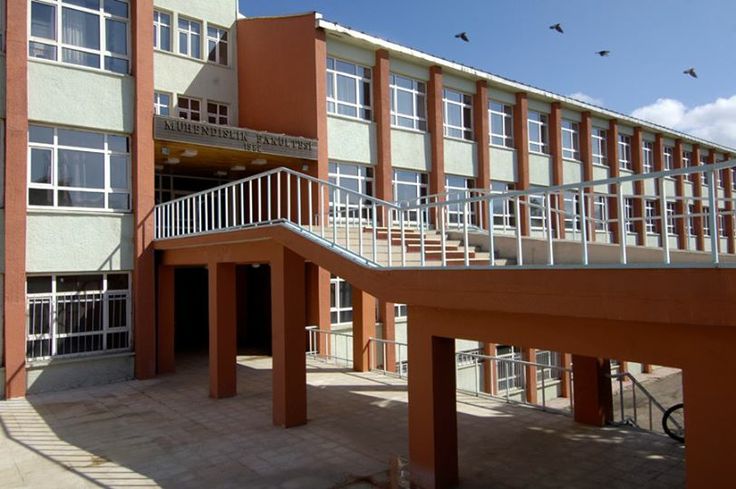
The Faculty of Engineering and Faculty of Architecture collaborate on applied research projects designing compact greywater filtration units and rainwater catchment systems adapted for Erzurum’s cold climate.
-
Data-Driven Planning:
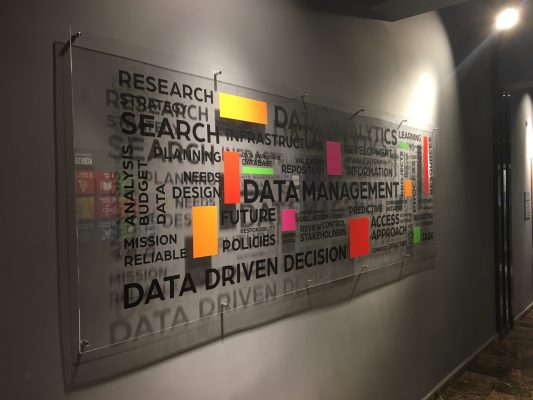
Real-time monitoring and predictive analytics from the Big Data Office guide infrastructure design, ensuring that each system is optimized before construction.
-
Municipal Cooperation:
The university coordinates with ESKİ (Erzurum Water and Sewerage Administration) to align on effluent reuse standards and ensure compliance with national water efficiency targets.

Evidence
-
Atatürk University SDG Portal – Water Reuse Initiative (2024)
-
[Atatürk University Sustainability Report 2024]