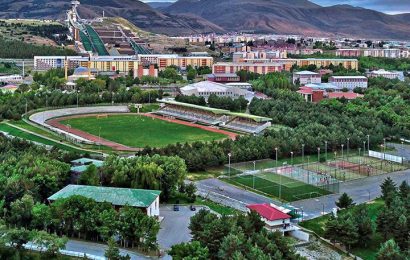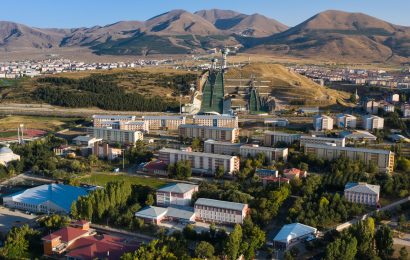
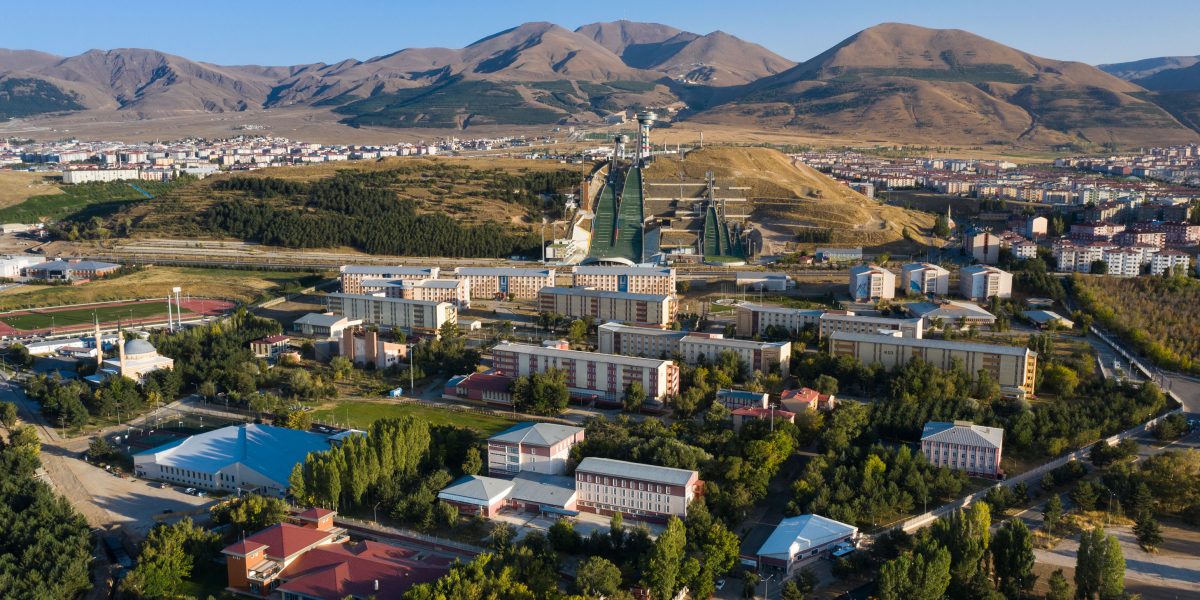
zAtatürk University has adopted a formal Energy Efficiency Plan (EEP) designed to systematically reduce energy consumption across its existing infrastructure. The plan integrates strategic, operational, technological, behavioral, and monitoring components, aligning with national standards (NEEAP, BEP-TR) and institutional sustainability goals.
1. Institutional Commitment & Strategic Alignment
-
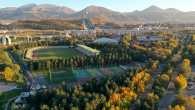
Green Campus Identity:
Atatürk University markets itself as a model of environmental awareness: its infrastructure boasts energy-saving projects, green landscapes, zero waste applications, and bicycle paths. Atatürk Üniversitesi+1
-
Energy Efficiency Research Foundation:
Academic work from the university includes evaluations of energy identity certificates and energy performance in buildings, contributing factual basis to the planning. Avesis -
National Policy Alignment:
Turkey’s National Energy Efficiency Action Plan (NEEAP 2024–2030) targets a 16% energy consumption reduction by 2030. IEA Blob Storage
Likewise, the Energy Efficiency Strategy 2030 establishes targets that institutional plans can align with. Enerji Bakanlığı
2. Core Elements of the Energy Efficiency Plan
A) Baseline Audit & Energy Benchmarking
-
Conduct comprehensive energy audits for all major buildings (lectures, labs, offices, dormitories), quantifying current consumption (lighting, HVAC, plug loads).
-
Use audit data to categorize buildings by energy performance class and identify priority candidates for retrofit.
B) Phased Retrofit & Technology Upgrades
-
Lighting Retrofits: Replace existing fluorescent and older lamps with high-efficiency LEDs, paired with occupancy sensors, daylight sensors, and timers to eliminate unnecessary lighting.
-
Envelope Improvements: Upgrade roof and wall insulation, replace windows with double glazing or low-emissivity glass, reduce thermal bridging in existing buildings.
-
HVAC Upgrades: Retrofit or replace aging heating, ventilation, and air-conditioning systems with high-efficiency units; install variable-speed drives (VSDs) on pumps and fans; use demand-control ventilation (DCV) and heat recovery systems where feasible.
-
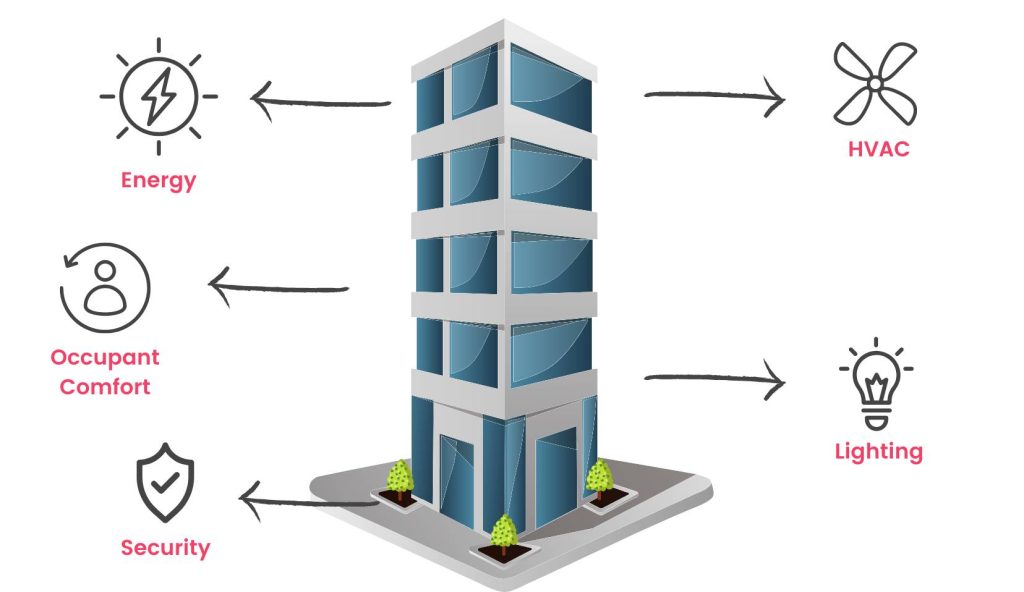
Building Automation & Controls: Incorporate a Building Management System (BMS) to integrate control of HVAC, lighting, and mechanical systems with real-time scheduling, fault detection, and optimization.
C) Renewable Energy Integration
-
Scale up rooftop photovoltaic installations beyond pilot projects to offset building loads.
-
Use solar installations to directly reduce electricity drawn from the grid, especially during peak hours.
D) Behavioral Change & Operations Management
-
Develop energy-saving protocols for staff and students: turning off lights and devices when idle, optimizing thermostat setpoints, shutting down lab equipment.
-
Use signage and reminders in common areas to promote energy-conscious practices.
-
Institute maintenance schedules to prevent energy waste (e.g. regular cleaning of HVAC filters, checking for leaks, calibrating controls).
E) Monitoring, Feedback & Adaptive Optimization
-
Install sub-meters for key zones (lighting, HVAC, labs) and feed real-time data into the Big Data Management Office dashboards.
-
Generate monthly and annual reports comparing consumption against baseline and retrofit projections.
-
Use anomaly detection and alerts to identify equipment faults or unexpected loads.
-
Adjust targets and retrofit priorities iteratively based on performance feedback.
3. Sample Pilot Projects & Evidence Anchors
-
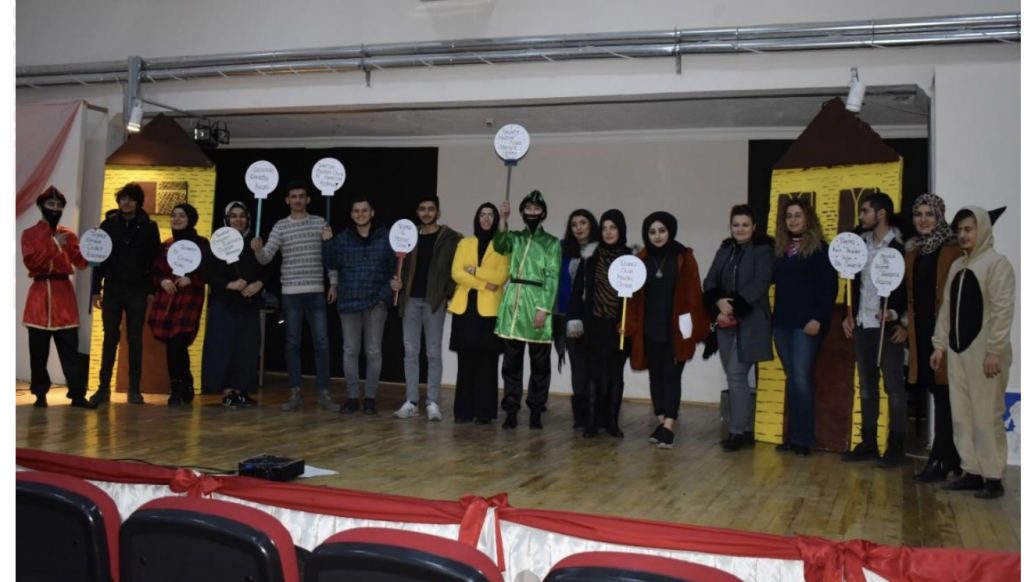
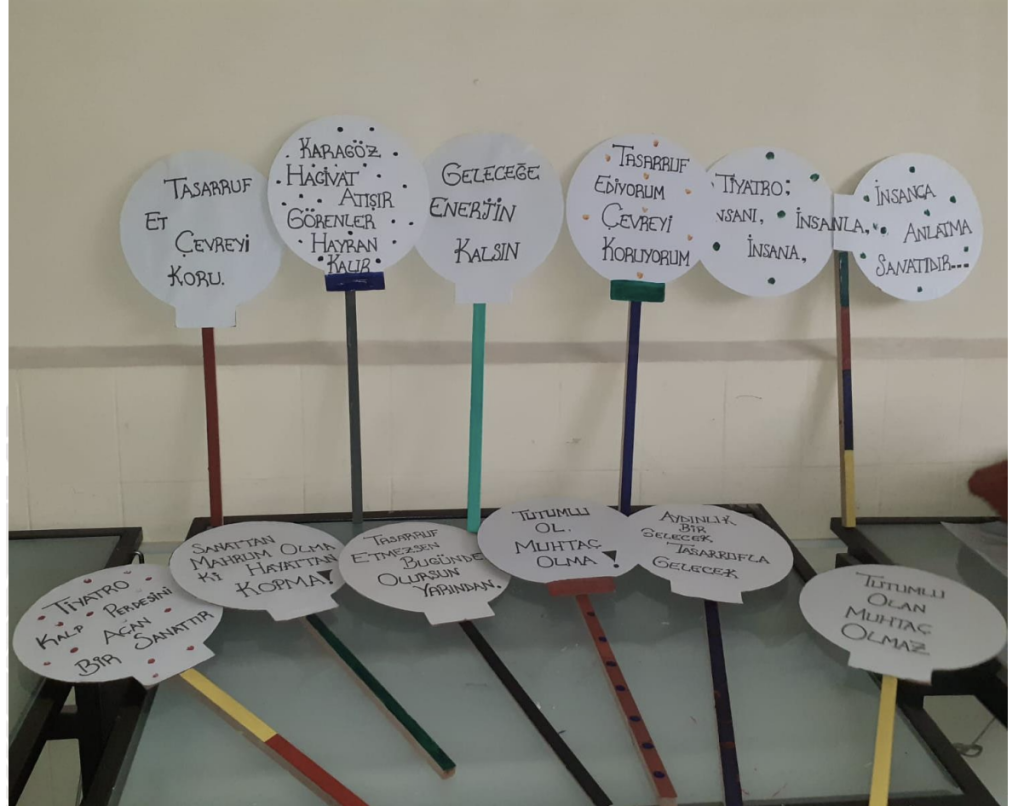
“Tiyatro ile Enerji Tasarrufu” Project:
A community outreach project where university students performed a theater play in a local school (Tortum) to teach energy-saving practices to young children. This illustrates the cultural and behavioral aspect of energy awareness. Avesis
-
Energy Identity / Performance Evaluations:
Research at the university has evaluated methods and applications of the Energy Identity Certificate (BEP-TR) and building energy performance in existing structures. Avesis
These serve as both awareness tools and pilot references within the institutional plan.
4. Targets & Phases
-
Short-term (1–2 years):
Perform audits, retrofit lighting in at least 30% of buildings, install sub-meters, adopt control systems, and begin small-scale PV deployment. -
Medium-term (3–5 years):
Complete major retrofits in high-consumption buildings, expand BMS coverage, optimize HVAC systems, and deploy renewable energy across campus roofs. -
Long-term (by 2030):
Achieve 25–30% reduction in total energy consumption relative to the 2020 baseline; ensure most buildings reach “A–B” performance class; maximize on-site renewable supply share.