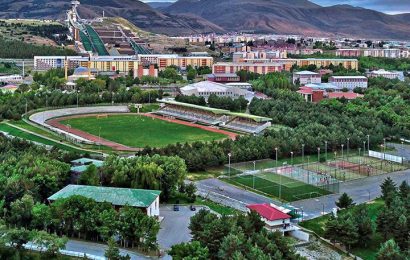
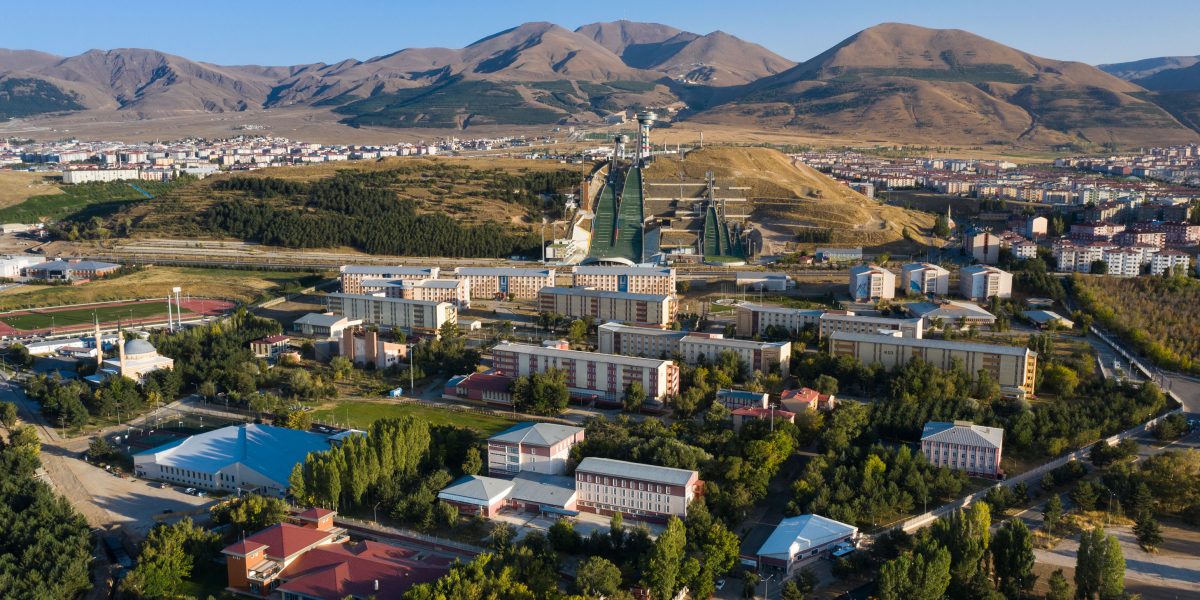
To fully meet the criterion of promoting a public pledge toward 100 % renewable energy beyond the campus, Atatürk University should actively foster community commitment, visibility, discourse, and formal pledges. Below is how that can be structured, with reference to analogous examples and building on Atatürk University’s institutional capacity.
1. Rationale & Institutional Preconditions
-
Moral and strategic leadership: As a major public university in the region, Atatürk University has the credibility to call for community and municipal support of a 100 % renewable energy future.
-
Existing groundwork: The university already undertakes renewable energy pilot projects (e.g. rooftop solar), energy-efficiency initiatives, and public outreach, which provide legitimacy and demonstrable practice on which to base a broader pledge.

2. Components of a Public Pledge Campaign
To make a robust, credible public pledge beyond the university, the following components should be included:
A) Signature / Endorsement Campaign
-
Launch a public pledge document, inviting community leaders, municipal governments, NGOs, local businesses, citizen groups, and residents to commit to supporting the transition to 100 % renewable energy by a target year (e.g. 2035 or 2040).
-
Provide online and offline means (web portal, signature walls in public spaces) to collect endorsements.
-
Publicize the growing list of signatories to showcase momentum.
B) Public Forums, Town Halls, & Panels
-
Host a series of public forums, panel discussions, or town-hall meetings (in partnership with local municipalities) on the pathway to 100 % renewables: technical feasibility, financing, grid integration, local benefits.
-
Invite civil society, energy experts, municipal officials, and media to join.
C) Awareness and Media Campaigns
-
Use university media (websites, social media, press releases) to campaign the pledge, explaining the rationale, local potential, timeline, and community co-benefits (jobs, health, sustainability).
-
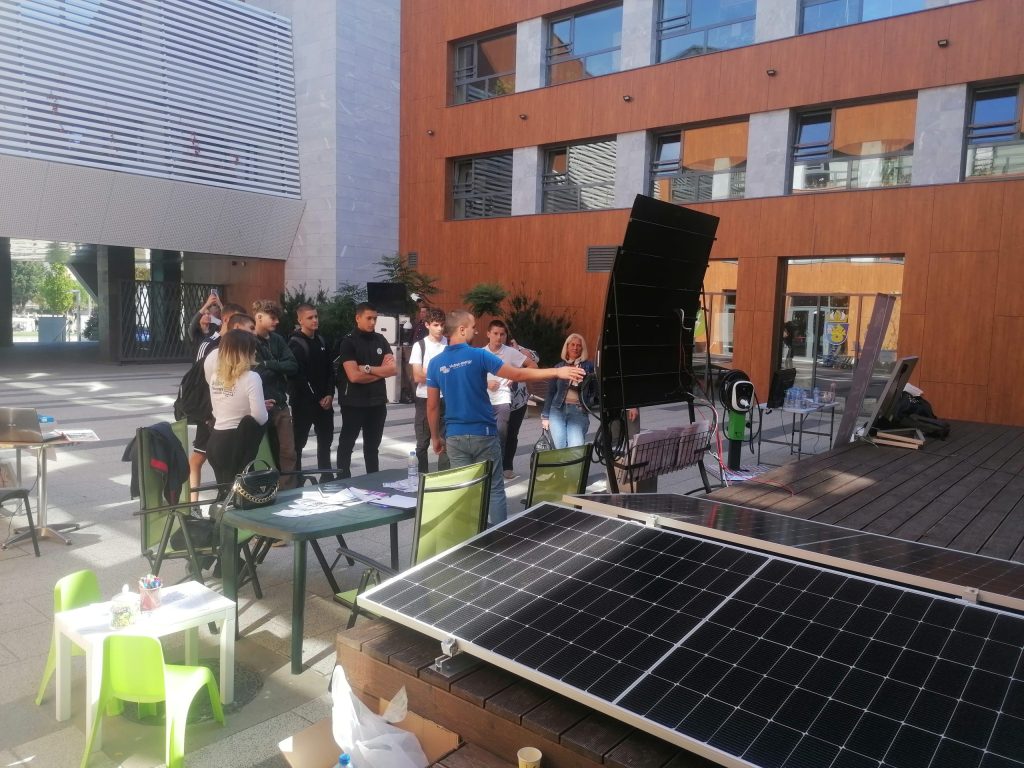
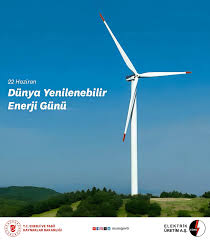
Launch annual “Renewable Energy Pledge Day” events with public participation, student involvement, and community exhibitions.
-
Develop videos, infographics, and storytelling materials depicting how each community segment can contribute.
D) Integration into University Projects & Demonstrations
-
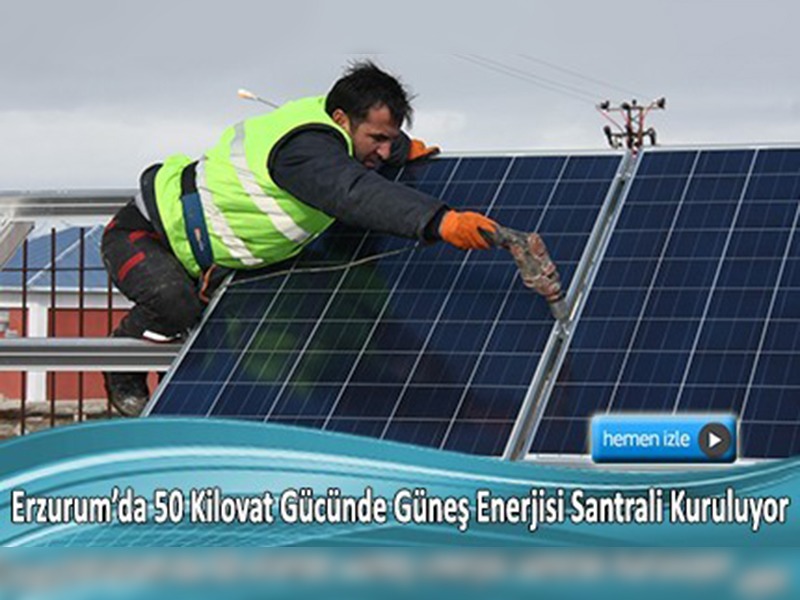
Link the pledge to campus renewable energy projects (e.g. rooftop solar installations) and promote those as living models illustrating that 100 % renewables are achievable.
-
Provide periodic progress reports showing how much of the campus energy is sourced from renewables, and forecast scaling toward full renewables.
E) Institutional Partnerships & Endorsements
-
Seek formal municipal or provincial government co-endorsement of the same pledge (e.g. “City of Erzurum commits to 100 % renewables by 2040”), creating alignment between university and city energy strategies. (Source)
-
Collaborate with NGOs, industry partners, or regional energy agencies to broaden the pledge’s legitimacy and reach.
F) Pledge Monitoring, Transparency & Accountability
-
Publish an annual tracking report on progress toward the pledge goals (e.g. percentage renewable, emissions avoided, installed capacity).
-
Maintain a “pledge dashboard” on the university’s SDG portal showing pledge signatories, timeline, and metrics.