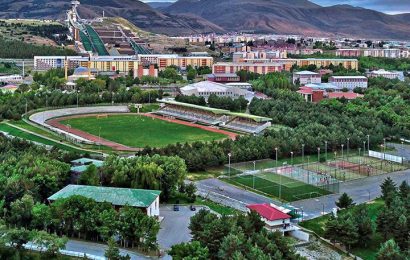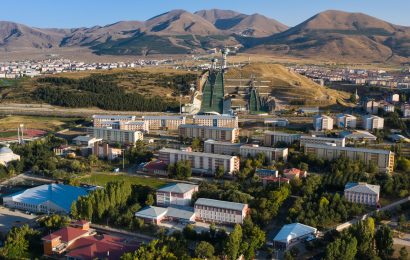

Atatürk University plays an active role in informing, advising, and partnering with governmental bodies on crafting and implementing clean energy and energy-efficiency policies. The university engages at local, regional, and national levels through research, policy input, expert consultation, protocol agreements, and participation in governmental panels and projects.
1. Policy Support via Research & Knowledge Transfer
-
SDG Portal – Institutional Policy Statement
The university’s SDG portal hosts a statement “Atatürk Üniversitesi temiz enerji ve enerji verimliliği politikalarına destek sağlıyor” under which university initiatives and policy contributions are presented. This demonstrates that the institution positions itself publicly as a policy partner.
(Source: sdg.atauni.edu.tr) -
Research on Energy Efficiency & Clean Energy
Academic studies from Atatürk University, particularly in the engineering, energy, and environmental science faculties, contribute data and models that can feed into policy design (e.g. modeling energy consumption, renewable energy integration, building standards). These works serve as technical background for policy recommendations. -
Alignment with National Plans & Feedback to Ministries
Turkey’s II. National Energy Efficiency Action Plan (2024–2030) outlines a target of 16% primary energy consumption reduction and aligns with clean technology adoption. The university can submit position papers and consultation input based on its research and campus experiments.
(Source) -
For instance, when the Ministry sets new standards for public buildings, Atatürk University’s retrofit pilots (LED programs, solar rooftop trials) can serve as case studies that inform feasible policy thresholds.
2. Formal Partnerships, Protocols, and Government Liaison
-
Protocol with Erzurum Governorship
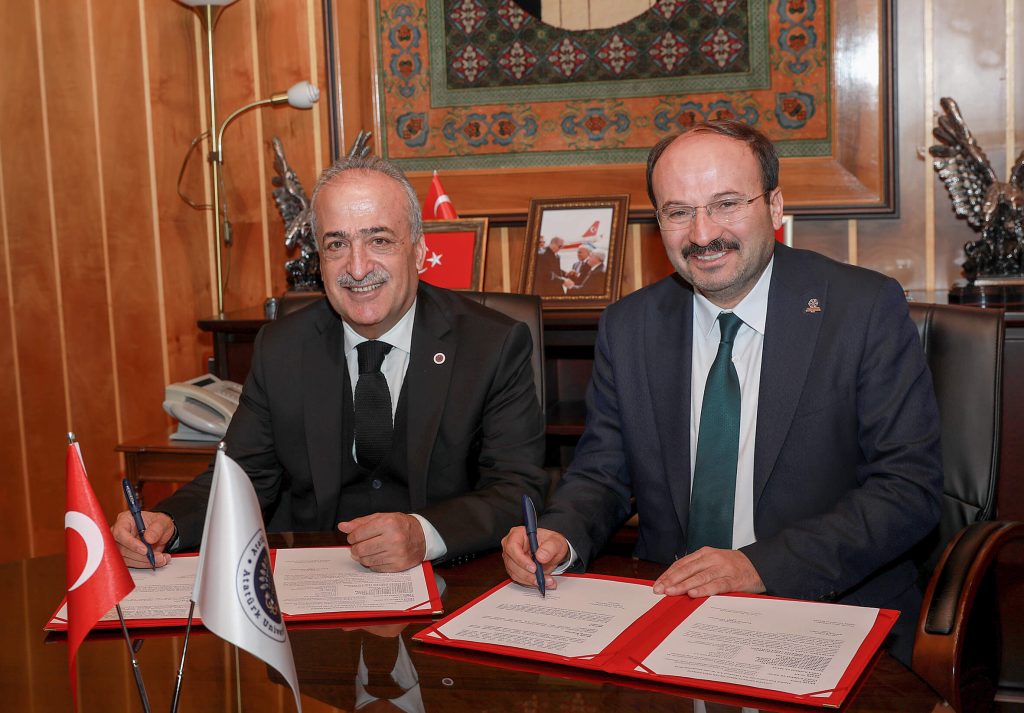
In December 2024, Atatürk University signed a cooperation protocol with the Erzurum Governorship for joint participation in grant-funded projects, including environmental and clean energy efforts. This institutional agreement opens a channel for policy alignment and joint proposals.
(Erzurum Valiliği )
-
Local Policy Forums & Public Committees
Through its local partnerships, university experts can serve on municipal or provincial energy, environment or planning committees, advising on local zoning, energy codes, building performance standards, and renewables deployment. -
Capacity Building for Public Officials
Atatürk University can host workshops or short courses for district and provincial staff (e.g. municipal engineers, building inspectors) on energy efficiency standards, building codes, and clean energy technologies—effectively training government stakeholders using academic expertise.
3. Concrete Examples & Leverage from Institutional Projects
-
Pilot Projects as Policy Prototypes
The university’s rooftop solar PV pilot projects, LED retrofits, and building energy efficiency upgrades serve as living policy testbeds. The data from these projects (costs, paybacks, performance) can be presented to government agencies to validate or calibrate policy incentives or minimum standards. -
Use in Local Planning & Advocacy
For example, university data on measured energy consumption per square meter in university buildings can be leveraged to propose minimum energy performance requirements for public buildings at the municipal or provincial levels. -
Participation in National Energy Efficiency Projects
The university may partner with or contribute to government-sponsored projects (such as the World Bank–backed “Kamu Binalarında Enerji Verimliliği Projesi”) via technical support, pilot demonstration, or data-sharing. The Ministry’s technical support components include measurement, verification, energy management training, and guidance—areas where universities can provide expertise.
(Source)