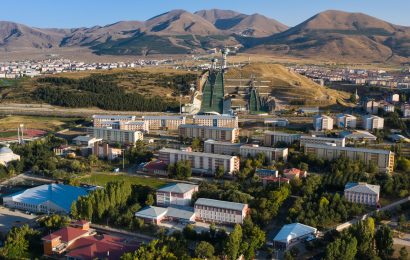
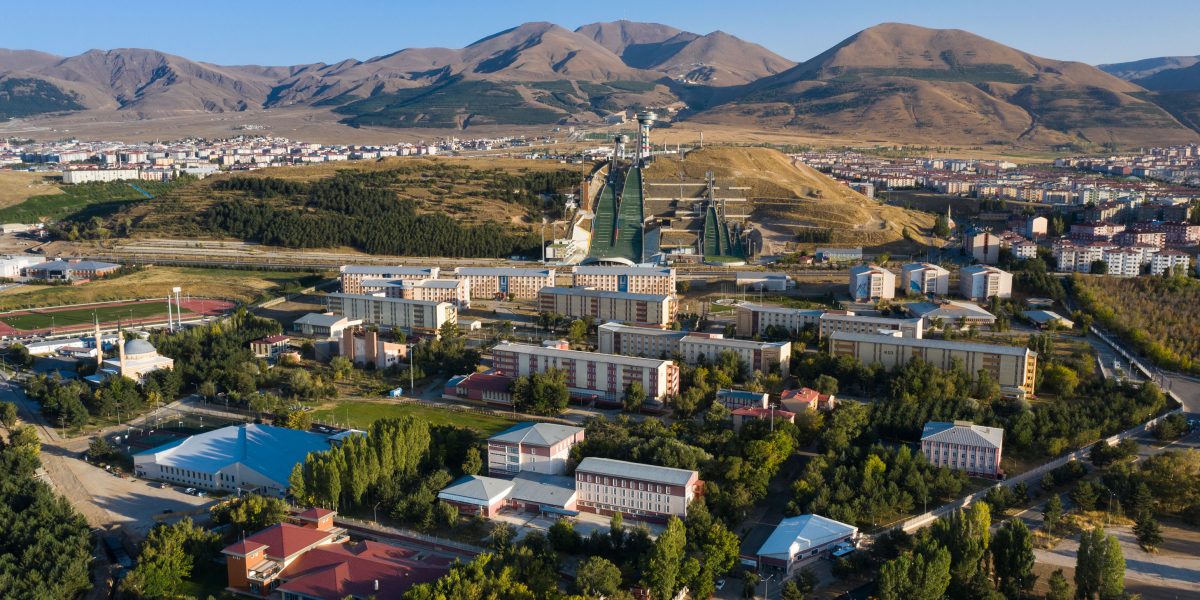
Atatürk University offers extensive public access to museums, exhibition spaces, and art collections located across its main and satellite campuses. These museums preserve the cultural, artistic, scientific, and technological heritage of the region while serving as open educational environments for visitors from all walks of life. All facilities operate under the “Müzeler Atauni” coordination network, which brings together academic departments, faculties, and research centers to manage exhibitions and organize outreach events.
🔗 muzeler.atauni.edu.tr
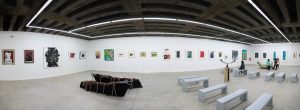
1. Atatürk University Fine Arts Museum (Güzel Sanatlar Fakültesi Müzesi)
The Fine Arts Museum is one of the largest university art museums in Eastern Anatolia. It was officially opened in 2023 and subsequently gained “Özel Müze” (Private Museum) status from the Turkish Ministry of Culture and Tourism (2024).
🔗 atauni.edu.tr – Fine Arts Museum Opening
🔗 atauni.edu.tr – GSF Museum Gains Official Status
-
Exhibition area: ≈ 2 500 m² (three main galleries and two sculpture halls).
-
Collection size: > 350 artworks by ≈ 250 artists.
-
Disciplines represented: painting, sculpture, ceramics, graphic design, traditional Turkish arts, photography, installation, and video art.
-
Public access: Open weekdays 10:00–16:00; free entry for public visitors, including local schools and tour groups.
-
Curatorial vision: To serve as a bridge between art education and society, supporting regional artists and alumni exhibitions while hosting national art events.
In addition to permanent collections, the museum regularly curates rotating exhibitions (e.g., “Cumhuriyetin 100. Yılında Türk Sanatı” – The 100th Anniversary of the Republic in Turkish Art) and artist residencies. It also runs workshops for children, high-school students, and art teachers.
2. Hurufat Printing Museum (Hurufat Baskı Müzesi)
Established within the Faculty of Fine Arts and inaugurated in October 2024 with the participation of Minister of National Education Prof. Dr. Yusuf Tekin, the Hurufat Printing Museum is Türkiye’s first university-based printing heritage museum.
🔗 birimler.atauni.edu.tr – GSF News
🔗 Haberdeger News Report
-
Exhibition area: ≈ 700 m².
-
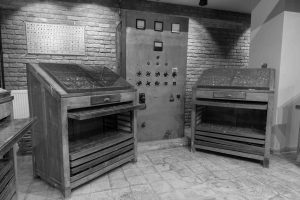
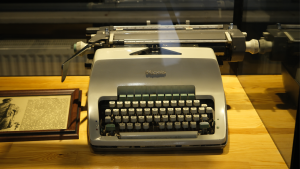
Artifacts: 32 historical printing machines, including pre-press, letterpress, offset and post-press units, plus more than 10 000 metal types (hurufat).
-
Collections: Ottoman movable type sets, wood and zinc cliché archives, historical typography samples, and academic posters.
-
Public access: Open Monday–Friday 09:30–12:00 / 13:30–16:30; guided tours available for students, professionals, and local visitors.
-
Purpose: To preserve and demonstrate the evolution of printing technologies in Türkiye and to act as an educational resource for graphic arts students and printing industry trainees.
This museum is a living laboratory for design and visual-communication students, blending historical heritage with hands-on learning for the public.
3. Biodiversity Science Museum (Biyoçeşitlilik Bilim Müzesi)
The Atatürk University Biodiversity Research and Application Center (ABBM) hosts one of Türkiye’s most comprehensive university-based natural-science collections.
🔗 abbm.atauni.edu.tr
-
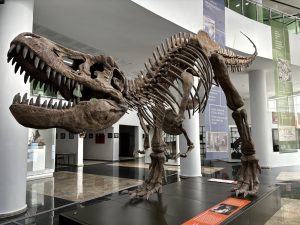
Permanent exhibitions: Paleo-Biodiversity, Insect Diversity, Plant Diversity, Mammals, Birds, Reptiles, and Aquatic Life.
-
Scientific collections: Tens of thousands of preserved animal and plant specimens, including type samples from Eastern Anatolia’s unique ecosystems.
-
Public access: Open weekdays 09:00–17:00 with guided tours for school groups and environmental NGOs.
-
Educational outreach: Hosts the annual “Doğa ve Biyoçeşitlilik Haftası” (Nature and Biodiversity Week), welcoming thousands of schoolchildren from Erzurum and neighboring provinces.
-
Facilities: Interactive displays, microscopes for visitors, and digital panels explaining species conservation.
The museum plays a crucial role in public science education, promoting awareness of regional flora & fauna and sustainable ecology.
4. Ice Artifacts Museum (Buz Eserler Müzesi)
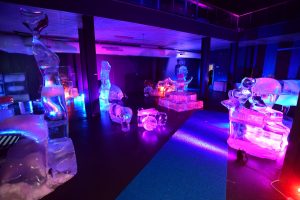
Atatürk University’s Ice Museum, located behind the Faculty of Fine Arts on the western campus, is the first permanent ice museum in Türkiye.
🔗 birimler.atauni.edu.tr – ATA Buz Eserler Müzesi
🔗 erzurum.ktb.gov.tr
-
Opening hours: Weekdays 09:30–12:00 / 13:00–16:30; Weekends 11:00–14:30.
-
Features: More than 100 sculptures and installations crafted from 300 tons of ice, maintained at –5 °C with sustainable cooling systems.
-
Themes: Art and Science of Ice, Glacial Ecosystems, and Winter Culture in Anatolia.
-
Visitors: Thousands of tourists annually; frequent inclusion in Erzurum’s winter-tourism routes.
-
Public engagement: Workshops on sculpture, temperature-resistant materials, and environmental sustainability.
5. Agricultural Museum (Tarım Müzesi)
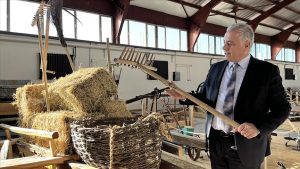
Hosted by the Faculty of Agriculture, the Agricultural Museum exhibits traditional farming tools, mechanized implements, and agrarian heritage from the 20th century.
-
Collections: 100+ pieces of equipment including threshers, plows, grain sorters, and irrigation systems.
-
Purpose: To document agricultural modernization in Eastern Anatolia and promote awareness of sustainable farming.
-
Visitors: Agriculture students, local farmers, and high-school groups benefit from guided demonstrations.
6. Medical and Hospital Museum (Sağlık ve Tıp Müzesi)
Integrated with Atatürk University’s Faculty of Medicine, this museum preserves the medical and educational history of the university hospital and healthcare in the region.
-
Collections: Historical surgical instruments, anatomical models, early 20th-century diagnostic devices, and archival documents.
-
Access: Open to health-science students and the public upon appointment; used for educational workshops and exhibitions during World Health Week.
7. Exhibition Halls and Rotating Galleries
Beyond formal museums, many faculties—particularly Fine Arts, Architecture and Design, Communication, and Tourism—host open exhibitions accessible to the community.
-
Annual “ATA Art Fest” gathers public visitors, local artists, and high-school students.
-
The Halil Dikmen Gallery periodically features exhibitions by Atatürk University’s Sculpture Department in Istanbul, showcasing national collaboration.
8. Public Access and Inclusion Practices
-
All museums and galleries have posted opening hours, free or symbolic entry, and are listed on the Müzeler Atauni portal.
-
Guided visits are offered for schools, NGOs, and senior groups.
-
Accessibility features include ramps, elevators, and multilingual signage.
-
Announcements and event calendars are shared publicly on atauni.edu.tr, muzeler.atauni.edu.tr, and the university’s social-media channels.