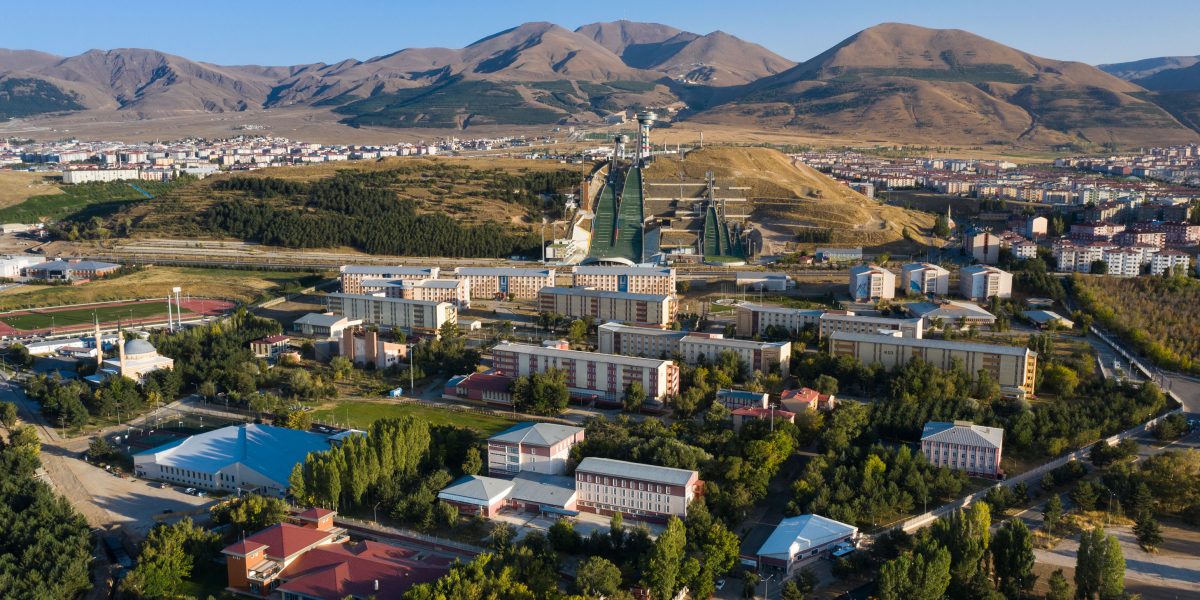
Atatürk University has established a comprehensive institutional framework for the recording, documentation, and preservation of intangible cultural heritage (ICH) across Eastern Anatolia. Through its research institutes, applied training centers, and digital repositories, the university safeguards regional folklore, traditional crafts, oral traditions, and linguistic heritage while transmitting this knowledge to future generations.
1. Institutional Mechanisms for Cultural Heritage Preservation
A) Turkiyat Research Institute (Türkiyat Araştırmaları Enstitüsü)
The Turkiyat Research Institute is one of Türkiye’s oldest and most respected centers for research in Turkish language, literature, folklore, traditional music, and oral culture. It carries out long-term research projects, publishes academic monographs and journals, and maintains archives on oral literature, folk songs, idioms, and regional customs.
🔗 Turkiyat Araştırmaları Enstitüsü
B) Department of Turkish Folk Literature (Türk Halk Edebiyatı / Folklor Anabilim Dalı)
The Faculty of Letters includes a Folklore Department that systematically collects and analyzes oral traditions, storytelling practices, folk poetry, and customs specific to Erzurum and Eastern Anatolia. Students conduct fieldwork projects, oral history interviews, and ethnographic recordings in nearby rural communities as part of their training.
🔗 Türk Halk Edebiyatı (Folklor) Anabilim Dalı
2. Applied Heritage Training: Carpet Weaving Education and Research Center (Halıcılık Eğitim Merkezi)
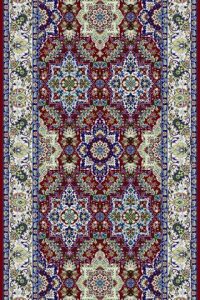
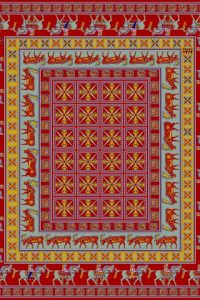
Atatürk University’s Halıcılık Eğitim Merkezi is a pioneering applied training facility dedicated to teaching, preserving, and revitalizing the traditional carpet weaving culture of Eastern Anatolia.
-
The center provides hands-on workshops where master weavers train both university students and members of the local community in traditional weaving techniques, natural dye preparation, and Anatolian motif design.
-
It contributes to the continuation of cultural craftsmanship, ensuring that the art of hand-woven carpets — a cornerstone of Anatolian cultural identity — is transmitted to younger generations.
-
The center collaborates with local cooperatives and women’s community centers to strengthen cultural sustainability and women’s participation in heritage economies.
-
In addition to training, it also records the processes through photographs, video tutorials, and oral narratives, which are archived in the university’s Digital Heritage Repository.
This initiative stands as a model for university-led preservation of living intangible cultural practices.

3. Digital Heritage Repository and Documentation Projects
Atatürk University operates a Digital Cultural Heritage Repository where digitized field recordings, photographs, interviews, and manuscripts related to folklore and local traditions are archived.
-
The repository houses materials gathered from university-led folklore projects, oral history studies, and traditional crafts documentation.
-
It supports open access for researchers and the public, aligning with UNESCO’s principles for safeguarding intangible cultural heritage in digital form.
-
Metadata and categorization are managed by the Big Data Management Office, ensuring long-term digital preservation and accessibility.
4. Publications, Exhibitions, and Cultural Outreach
Atatürk University disseminates intangible cultural heritage through multiple platforms:
| Type of Output | Examples / Description |
|---|---|
| Books and Articles | Scholarly publications by Turkiyat Institute and Faculty of Letters on Erzurum folklore, Turkish oral traditions, and traditional music. |
| Exhibitions and Fairs | Annual exhibitions at the Fine Arts Faculty featuring handwoven carpets, folk costumes, and traditional instruments. |
| Cultural Events | “Halk Kültürü ve El Sanatları Günleri” and “Erzurum Kültürel Bellek” thematic panels hosted with local municipalities. |
| Digital Storytelling Projects | Online presentation of video interviews, folk tales, and weaving demonstrations through the Digital Heritage Portal. |
These activities engage both university students and the wider public, strengthening intergenerational knowledge transfer and public awareness.
5. Research and Projects on Folklore, Music, and Oral Traditions
-
The BAP Research Program (Bilimsel Araştırma Projeleri) regularly funds projects under categories such as Folklor, Müzikoloji, Kültürel Bellek, and Somut Olmayan Miras.
-
Examples include projects documenting folk songs, local dialects, culinary traditions, and storytelling practices of Eastern Anatolia.
🔗 Atatürk University BAPSIS Folklore & Musicology Projects

6. Community Participation and Cross-Institutional Collaboration
-
Atatürk University collaborates with Erzurum Metropolitan Municipality and the Erzurum Provincial Directorate of Culture and Tourism to conduct joint exhibitions and folk heritage festivals.
-
Students and faculty also participate in UNESCO-aligned cultural documentation workshops focusing on oral traditions and cultural memory.