
Atatürk University | SDG 2 – Zero Hunger | Indicator 2.5.3 | Reporting Year: 2025
1. Institutional Commitment to Providing Agricultural Research Infrastructure
Atatürk University supports regional food security and sustainable agricultural production by providing local farmers, livestock breeders, agricultural entrepreneurs and food producers with access to university research facilities, laboratory services, experimental fields, agricultural technologies and practical training infrastructure.
The University’s facilities connect scientific research with the needs of agricultural communities in Erzurum and the wider Eastern Anatolia region.
Its infrastructure includes:
- Food analysis laboratories supporting product quality and safety.
- Advanced technology laboratories providing specialised analytical services.
- Agricultural biotechnology laboratories supporting research and innovation.
- Crop production facilities, including greenhouses and experimental fields.
- Farmer training facilities providing practical agricultural education.
- Animal production and veterinary facilities supporting livestock research.
- Technology development infrastructure facilitating university–industry cooperation.
These facilities enable agricultural stakeholders to benefit from the University’s scientific expertise and technical capabilities.
During 2025, Atatürk University continued to maintain and develop this infrastructure, including through agricultural laboratory development, modernisation of crop production facilities and expanded livestock research capabilities.
2. Access to Food Analysis and Quality Control Laboratories
Food and Animal Research and Application Centre
The Food and Animal Research and Application Centre (Gıda ve Hayvancılık Uygulama ve Araştırma Merkezi) provides an important institutional foundation for food and livestock research.
The Centre supports applied research and technological development related to agricultural and animal production.
Its activities contribute to the scientific assessment of production systems and the development of agricultural knowledge.
Food Quality and Safety Infrastructure
The University’s broader laboratory ecosystem includes facilities relevant to:
- Food quality assessment.
- Food safety.
- Agricultural product analysis.
- Animal production research.
- Feed quality.
- Food composition and nutritional properties.
- Agricultural research and development.
Through the University’s established laboratory services and institutional cooperation mechanisms, agricultural producers can connect with specialist analytical capabilities.
Food Analysis Laboratory
Atatürk University’s Food Analysis Laboratory forms part of its officially registered research infrastructure.
Food analysis capabilities support the assessment of product quality, safety and compliance with relevant technical standards.
These services are valuable for agricultural businesses seeking reliable analytical information about their products.
Official evidence:
Food and Animal Research and Application Centre
Atatürk University Laboratory Information System – LABSİS
Atatürk University Research Centres and Laboratories
3. Advanced Laboratory Access Through DAYTAM
Eastern Anatolia High Technology Application and Research Centre
The Eastern Anatolia High Technology Application and Research Centre (DAYTAM) is one of Atatürk University’s principal advanced research facilities.
DAYTAM provides access to specialised analytical infrastructure supporting scientific research, material characterisation and technological development.
Its services are relevant to academic researchers, public institutions and external stakeholders, including businesses seeking advanced analytical capabilities.
Analytical Capabilities
The Centre’s infrastructure supports various forms of laboratory investigation, including:
- Chemical analysis.
- Physical and material characterisation.
- Advanced instrumental analysis.
- Molecular and structural examination.
- Research and development applications.
- Product and material testing.
For agricultural and food-sector stakeholders, such capabilities can contribute to the investigation of product composition, materials, production inputs and related research questions.
Published 2025 Laboratory Service Fees
An important piece of evidence for the reporting year is DAYTAM’s publicly available 2025 Analysis Service Fees document.
The publication of a formal service schedule demonstrates an established mechanism through which analytical services can be requested and accessed.
The document provides a transparent reference for laboratory services during 2025.
Benefits for Local Producers
Access to specialised analytical services helps agricultural businesses and food producers connect with scientific resources that may otherwise require substantial investment in equipment and expertise.
This contributes to:
- Product development.
- Quality assessment.
- Research collaboration.
- Technological innovation.
- Improved production processes.
- Access to specialised scientific expertise.
Official evidence:
DAYTAM – Eastern Anatolia High Technology Application and Research Centre
DAYTAM – 2025 Analysis Service Fees
4. University-Wide Laboratory Access Through LABSİS
Laboratory Information System
Atatürk University maintains LABSİS, a centralised laboratory information system that brings together information about the University’s research infrastructure.
The system includes laboratories and facilities across multiple faculties and research centres.
Agricultural and Food-Related Facilities
The officially listed facilities include:
- Food Analysis Laboratory.
- Food and Animal Research and Application Centre.
- Crop Production Application and Research Centre.
- Agricultural Biotechnology Laboratories.
- Eastern Anatolia High Technology Application and Research Centre.
- Veterinary Vaccine and Biological Product Development Laboratories.
Facilitating Access to Research Infrastructure
By bringing laboratory information together within a university-wide platform, LABSİS improves the visibility of scientific infrastructure and helps external stakeholders identify relevant research facilities.
For local farmers and agricultural enterprises, this institutional system provides a starting point for identifying laboratories, technical expertise and opportunities for research cooperation.
Contribution to Sustainable Agriculture
The University’s laboratory infrastructure supports scientific work relevant to:
- Food safety.
- Agricultural biotechnology.
- Crop development.
- Animal health.
- Product quality.
- Sustainable production technologies.
Official evidence:
5. Access to Crop Production Facilities, Greenhouses and Experimental Fields
Crop Production Application and Research Centre
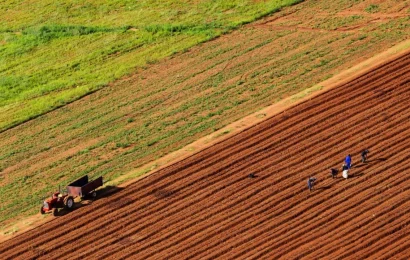
The Crop Production Application and Research Centre provides agricultural research and practical training infrastructure.
Its facilities include:
- Agricultural production fields.
- Experimental cultivation areas.
- Greenhouses.
- Practical training environments.
- Agricultural equipment.
- Crop production research resources.
The Centre connects academic research with the practical needs of regional agricultural producers.
Farmer Access Through Practical Education
The Centre’s Agricultural Sciences Training Centre (TARBİLEM) offers practical training activities designed to familiarise farmers with agricultural technologies and production techniques.
These activities enable farmers to interact directly with researchers and agricultural specialists.
Training areas include:
- Crop cultivation.
- Soil preparation.
- Irrigation.
- Greenhouse production.
- Composting.
- Plant protection.
- Fertiliser application.
- Agricultural machinery.
- Sustainable resource management.
Access to Plant Production Knowledge and Demonstration Areas
The University’s fields and greenhouses provide opportunities to observe crop development and examine alternative production practices.
These facilities are particularly valuable in Eastern Anatolia, where climatic conditions create specific challenges for agricultural production.
Agricultural Innovation
The Centre’s experimental activities contribute to knowledge development in crop diversification, plant production and sustainable cultivation methods.
Official evidence:
Crop Production Application and Research Centre
Crop Production Centre – Practical Training Activities
6. Modernisation of Agricultural Field and Greenhouse Technologies in 2025
Environmentally Friendly Spraying Technologies
A significant example of agricultural infrastructure development during the reporting year was the project:
“Development of Environmentally Friendly Spraying Methods to Increase Agricultural Productivity in the Fields and Greenhouses of the Crop Production Application and Research Centre.”
Project period: July 2024 – February 2025
Project leader: Adem Aksoy
Supporting institution: Atatürk University
Project Objectives
The project focused on modernising pest and disease management practices within the University’s agricultural fields and greenhouses.
It aimed to improve the efficiency of agricultural spraying and strengthen environmentally responsible crop protection.
Technological Improvements
The project examined the use of modern spraying equipment to improve:
- Application efficiency.
- Pest and disease management.
- Agricultural productivity.
- Operational efficiency.
- Environmental performance.
- Sustainable crop protection.
Relevance to Local Farmers
Modernised agricultural demonstration infrastructure strengthens the University’s ability to introduce practical crop protection technologies through research and farmer education.
The project represents a concrete 2025 improvement to university agricultural facilities that support sustainable production knowledge and technology transfer.
Official evidence:
Environmentally Friendly Spraying Technologies – 2024–2025 Project
7. Plant Stocks, Alternative Crops and Agricultural Demonstration Resources
Access to Agricultural Plant Resources
Atatürk University’s crop production facilities support the cultivation, observation and assessment of different plant varieties.
These facilities contribute to research on crops suitable for the region’s climatic and environmental conditions.
Experimental Crop Production
The Crop Production Application and Research Centre has conducted experimental cultivation of alternative crops, including grain maize.
Such activities provide valuable information about:
- Crop adaptation.
- Growing seasons.
- Production techniques.
- Regional climatic conditions.
- Yield potential.
- Crop diversification.
Supporting Local Producers
Experimental cultivation allows university researchers to investigate production methods and share relevant findings with regional agricultural communities.
The University’s agricultural fields therefore function as practical knowledge resources for farmers considering new crops or production techniques.
Medicinal and Aromatic Plants
The University’s cooperation with Agrokur Organik & Aromatik Bitkiler A.Ş. also provides an example of applied plant production infrastructure.
The cooperation involves the cultivation of medicinal and aromatic plants on 25 decares of university land using sustainable production methods.
This contributes to the development of knowledge concerning alternative crops and environmentally responsible cultivation.
Official and supporting evidence:
Crop Production Application and Research Centre – Agricultural Activities
Sustainable Agriculture and Medicinal Plant Cultivation Cooperation
8. Access to Farmer Training and Applied Technology Facilities
Agricultural Sciences Training Centre
The Agricultural Sciences Training Centre (TARBİLEM) is an important facility for agricultural education and knowledge transfer.
Located within the University’s crop production research infrastructure, the Centre provides practical and theoretical training for agricultural stakeholders.
Training Facilities and Equipment
The Centre’s activities include the use of:
- Training classrooms.
- Agricultural production facilities.
- Practical demonstration environments.
- Agricultural machinery and equipment.
- Crop production areas.
- University research expertise.
Practical Training Opportunities
The University’s established programmes provide instruction in:
- Greenhouse construction and management.
- Irrigation systems.
- Agricultural machinery calibration.
- Fertiliser use.
- Plant grafting and pruning.
- Vegetable production.
- Livestock management.
- Dairy hygiene.
- Composting.
Supporting Rural Communities
The Centre also provides training opportunities for women farmers, young producers and agricultural technical personnel.
These activities help extend the benefits of university facilities to the wider agricultural community.
Official evidence:
Crop Production Centre – Farmer Training and Applied Education
9. Livestock Research Facilities and Infrastructure Development in 2025
Food and Animal Research and Application Centre
The University’s Food and Animal Research and Application Centre supports scientific work in animal production.
Its facilities contribute to research concerning livestock management, animal welfare and production quality.
Cattle Research Infrastructure Project
On 27 June 2025, Atatürk University initiated the project:
“Strengthening the Research Infrastructure of the Cattle Unit of the Food and Animal Research and Application Centre and Evaluating Welfare and Reproductive Parameters.”
Project period: 27 June 2025 – 24 June 2026
Project leader: Avni Birinci
Project code: TAD-2025-15863
Project Focus
The initiative addresses:
- Livestock research infrastructure.
- Animal welfare.
- Reproductive performance.
- Scientific evaluation of cattle production.
- Applied animal production research.
Relevance to Regional Livestock Producers
Livestock is a major agricultural activity in Eastern Anatolia.
The development of university livestock research facilities strengthens the scientific infrastructure available for regional animal production research, producer education and institutional cooperation.
This initiative provides a clear example of 2025 investment in agricultural research infrastructure.
Official evidence:
Cattle Research Infrastructure Development – 2025 Project
10. Agricultural Biotechnology and Feed Analysis Infrastructure
Agricultural Biotechnology Laboratories
Atatürk University’s laboratory network includes dedicated Agricultural Biotechnology Laboratories.
These facilities support research and technological development relevant to agricultural production.
Agricultural biotechnology contributes to the development of improved production methods and scientific understanding of biological processes affecting agriculture.
Feed Analysis Laboratory Development
The University’s research records also identify a 2025–2026 project to establish feed analysis laboratory infrastructure within the Faculty of Veterinary Medicine’s Department of Animal Nutrition and Nutritional Diseases.
The development of feed analysis infrastructure supports scientific assessment of animal nutrition and feed quality.
Supporting Livestock Research
Such facilities contribute to knowledge development in:
- Feed composition.
- Animal nutrition.
- Livestock productivity.
- Feed quality assessment.
- Animal health.
- Sustainable animal production.
Institutional Access and Collaboration
The University’s agricultural biotechnology and veterinary laboratory infrastructure provides opportunities for research collaboration and the development of technical solutions relevant to regional agricultural enterprises.
Official evidence:
Atatürk University – Laboratory Information System
Atatürk University – Veterinary and Animal Nutrition Research Projects
11. Technology Sharing and Research Collaboration Through ATA Teknokent
Technology Development Infrastructure
ATA Teknokent supports innovation, research and technology development through cooperation between Atatürk University and industry.
It provides an institutional environment in which businesses and researchers can develop projects and explore technological solutions.
Agricultural and Food Technology Cooperation
A notable example is the establishment of an R&D office by the Erzurum Commodity Exchange Agricultural and Livestock Development Company at ATA Teknokent.
The initiative focuses on research and technological development related to the regional dairy sector.
Relevant Technology Areas
These include:
- Milk collection.
- Cold chain systems.
- Dairy storage.
- Processing technologies.
- Product quality.
- Food safety.
- Agricultural supply chains.
University–Industry Knowledge Transfer
Through the ATAÜNİ-SAN cooperation model, Atatürk University supports connections between academic researchers and businesses.
These relationships provide opportunities for agricultural enterprises to benefit from university expertise, research partnerships and technological development.
Contribution to Local Producers
Technology cooperation strengthens the ability of agricultural businesses to investigate production challenges and explore improved methods.
It also supports regional innovation and agricultural competitiveness.
Official evidence:
ATA Teknokent – Agricultural and Livestock Development R&D Office
ATAÜNİ-SAN University–Industry Cooperation
12. Access to University Facilities Through Regional Partnerships
Atatürk University works with public institutions and agricultural organisations to connect its facilities with the needs of local producers.
Eastern Anatolia Project Regional Development Administration
Cooperation with DAP supports farmer training and practical agricultural education.
Erzurum Provincial Directorate of Agriculture and Forestry
The University’s cooperation with provincial agricultural authorities facilitates educational activities involving farmers and technical personnel.
Agricultural Enterprises
Partnerships with agricultural businesses support applied research, experimental production and technological development.
Producer-Focused Collaboration
These institutional relationships help agricultural stakeholders access:
- Research expertise.
- Practical agricultural training.
- Experimental production environments.
- Technological knowledge.
- Laboratory information.
- Opportunities for collaborative projects.
Such cooperation strengthens the relationship between university research infrastructure and regional agricultural production.
Official evidence:
Crop Production Application and Research Centre
Atatürk University – Laboratory Information System
13. Summary of University Facilities and 2025 Developments
| Facility or Infrastructure | Access and Contribution |
|---|---|
| Food Analysis Laboratory | Food quality and analytical research infrastructure |
| DAYTAM | Advanced analytical services with published 2025 service fees |
| LABSİS | Centralised information on university laboratory facilities |
| Food and Animal Research Centre | Applied research in animal production and food systems |
| Crop Production Research Centre | Agricultural fields, greenhouses and practical learning |
| Agricultural Sciences Training Centre | Farmer access to practical education and demonstration facilities |
| Agricultural plant resources | Experimental crop cultivation and alternative production models |
| Medicinal and aromatic plant cultivation | Sustainable production cooperation involving 25 decares |
| 2025 agricultural technology development | Environmentally friendly spraying equipment research completed in February 2025 |
| 2025 livestock infrastructure development | Cattle research infrastructure project initiated June 2025 |
| Agricultural Biotechnology Laboratories | Biotechnology research and technical expertise |
| Feed Analysis Laboratory Development | Animal nutrition research infrastructure |
| ATA Teknokent | Agricultural R&D cooperation and technology transfer |
| ATAÜNİ-SAN | University–industry research and innovation collaboration |
14. Contribution to SDG 2 – Zero Hunger
Atatürk University’s agricultural research facilities support sustainable food production through several complementary mechanisms.
Access to Scientific Infrastructure: University laboratories and research centres provide access to specialist equipment and expertise.
Food Safety and Quality: Analytical facilities support scientific assessment of food products and agricultural materials.
Sustainable Crop Production: Greenhouses, experimental fields and demonstration areas support the development of environmentally responsible cultivation methods.
Technology Transfer: Farmer training facilities help connect producers with agricultural research and innovation.
Livestock Development: Animal production and veterinary research infrastructure contributes to scientific knowledge relevant to regional livestock systems.
Agricultural Biotechnology: Dedicated laboratories support research into innovative production technologies.
University–Industry Collaboration: ATA Teknokent connects agricultural enterprises with research and development opportunities.
Regional Development: Cooperation with agricultural institutions strengthens the practical application of university resources.
Together, these facilities support more sustainable, productive and resilient regional food systems.
Conclusion
Atatürk University supports local farmers and food producers by connecting them with laboratory services, agricultural research facilities, experimental fields, plant production resources and technological expertise.
Its Food and Animal Research and Application Centre, Food Analysis Laboratory, DAYTAM, Agricultural Biotechnology Laboratories and Crop Production Application and Research Centre provide an extensive scientific infrastructure relevant to sustainable agriculture.
The University’s Agricultural Sciences Training Centre facilitates practical access to agricultural knowledge, equipment and demonstration environments.
During 2025, Atatürk University continued to strengthen this infrastructure through:
- DAYTAM’s published 2025 analytical service framework.
- The completion of an environmentally friendly spraying technology project for agricultural fields and greenhouses.
- The initiation of a livestock research infrastructure development project.
- The development of agricultural biotechnology and feed analysis research capabilities.
These activities are complemented by experimental crop production, medicinal and aromatic plant cultivation and agricultural technology cooperation through ATA Teknokent.
By integrating laboratory access, applied agricultural education, experimental cultivation, infrastructure development and university–industry cooperation, Atatürk University helps local agricultural stakeholders benefit from scientific knowledge and technological resources.
These initiatives contribute to SDG 2 – Zero Hunger, Indicator 2.5.3: Access to University Facilities, Laboratories, Technology and Plant Stocks for Local Farmers and Food Producers.