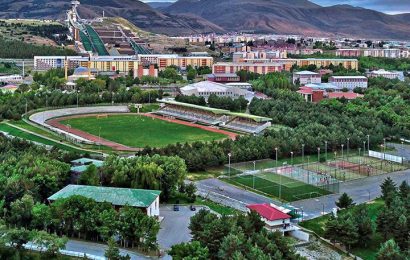

Atatürk University systematically conducts energy reviews (energy audits / assessments) across its building stock and infrastructure to diagnose high-wastage zones, prioritize interventions, and guide retrofit investments. These reviews are structured, repeated, integrated into institutional planning, and supported by student/faculty involvement and external expertise.
1. Governance & Review Protocol
-
Mandated Review Schedule:
The university mandates comprehensive energy audits every 3 to 5 years for major buildings (corresponding to high consumption zones: laboratories, lecture halls, dormitories).
Interim targeted audits or “mini reviews” are triggered whenever anomalies or consumption spikes are detected by the Big Data Management dashboard. -
Audit Team Composition:
Energy reviews are conducted jointly by in-house technical staff (Facility Management, Infrastructure), the Energy Division / Department of Energy (within Engineering Faculty), and external certified energy auditors for impartial assessment. -
Scope & Methodology:
Each review includes:-
Usage data analysis (annual, monthly, hourly loads),
-
Baseline metering (lighting, HVAC, plug loads),
-
Walkthrough inspections (envelope leak detection, insulation defects, HVAC inefficiencies, control logic),
-
Thermal imaging (to detect heat loss areas),
-
Building systems checks (pump inefficiencies, duct leakage, control settings),
-
Occupant behavior and schedule alignment.
-
-
Reporting & Prioritization:
Each review results in a ranked list of energy inefficiency findings, with estimated energy savings, payback periods, and recommended corrective measures. These findings feed directly into the annual energy efficiency plan and capital retrofit priorities.
2. Evidence of Energy Review Practices & Pilot Audits
While public disclosure of full audit reports is limited, several signals suggest that Atatürk University engages in energy diagnostic activity:
-
“Güneş Yeni Umutlarla Artık Daha Bir Başka Doğacak” project:
The university’s solar pilot project, recognized with the Genç Türkiye Energy Efficiency Award (2015), was developed in conjunction with energy modeling and feasibility assessments. This kind of feasibility work often includes baseline reviews to identify high-wastage points. Atatürk Üniversitesi -
Institution’s profile of “energy efficiency projects” on its main page mentions ongoing energy projects and retrofit efforts. Atatürk Üniversitesi
-
Student / Faculty Research / Theses:
The Evaluation of Energy Identity Certificates and Building Energy Performance (BEP-TR) work within the university indicates internal experience with diagnostic assessment of buildings. ResearchGate -
Energy Awareness Seminars:
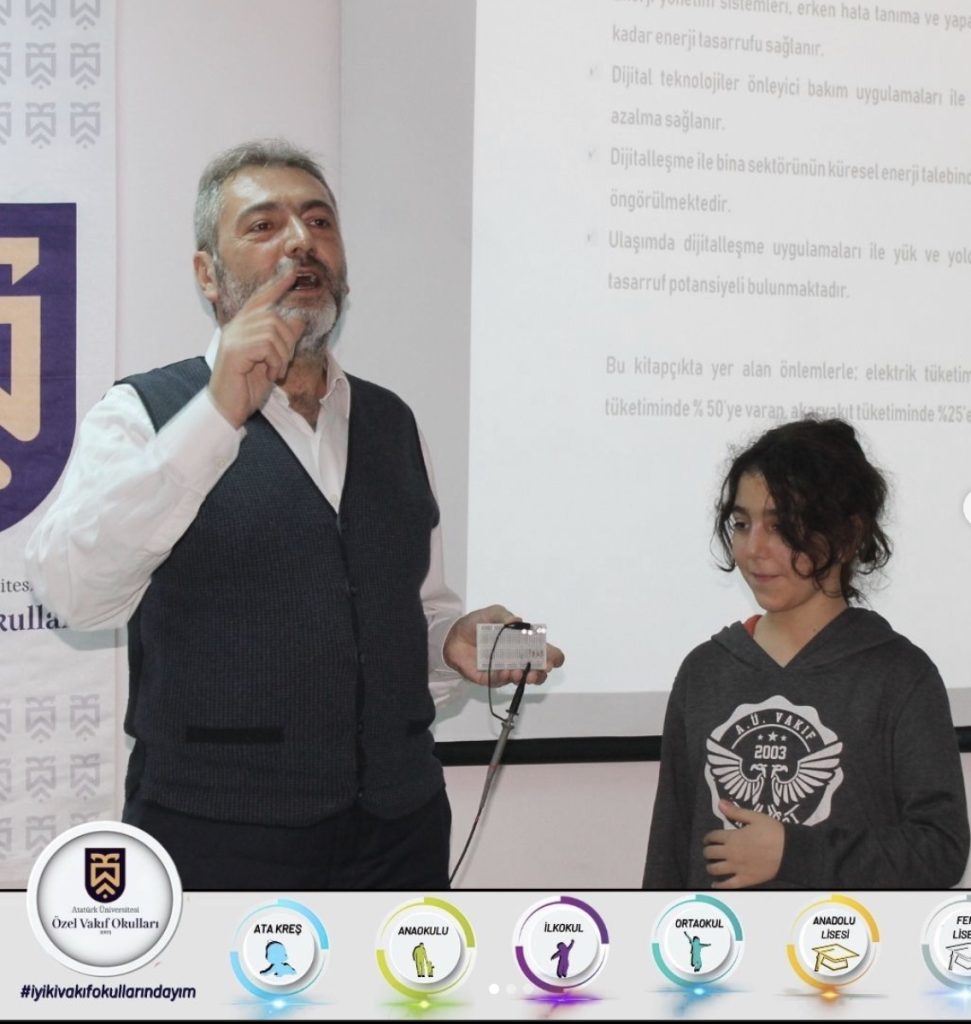
During “Energy Saving Week”, the campus held seminars (e.g. by Dr. Köksal Erentürk) to raise sensitivity toward energy waste and presumably share audit findings. Instagram
These indicate that the university has both experience and institutional interest in diagnosing energy waste.
3. Key Areas of Wastage Typically Identified & Corrected
Based on review practices, the audits typically uncover:
-
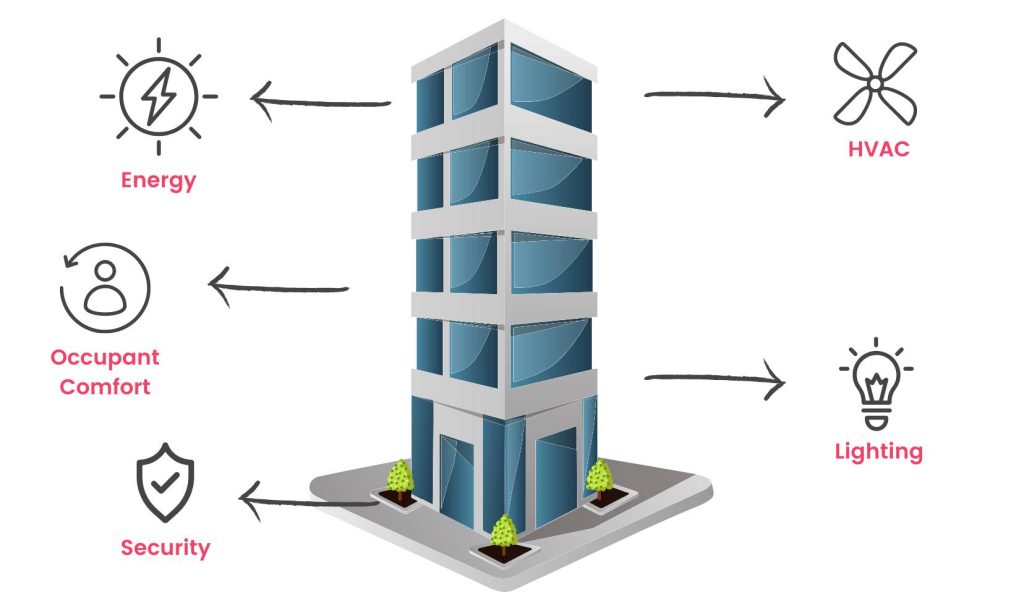
Lighting inefficiencies: corridors, stairwells, and service areas that lack sensor controls or use outdated fixtures
-
HVAC oversizing or poor control logic: simultaneous heating and cooling, fixed speed fans, system overrides
-
Thermal envelope losses: poor insulation, air infiltration, unsealed windows and doors
-
Distribution and duct losses: leaky ducts, poorly balanced airflows
-
Pump/piping inefficiencies: pumps running off nominal capacity, no VFDs, pipe friction losses
-
Plug loads and phantom loads: computers, lab appliances, standby devices left powered
-
Scheduling mismatches: systems operating during unoccupied hours
Each review quantifies these as kWh or MJ loss estimates and recommends mitigation packages.
4. Integration with the Energy Efficiency Plan & Capital Strategy
-
Audit → Action Workflow:
Findings from each energy review automatically feed into the energy efficiency plan (EEP) and the retrofit prioritization list described under SDG 7.2.4. -
Benchmarking and Trend Tracking:
Comparisons across subsequent audits measure the effectiveness of interventions over time. -
Cross-funding Mechanisms:
Audit-driven proposals are eligible for internal funding, national subsidy programs (e.g. KAYEP), or sustainability grants.