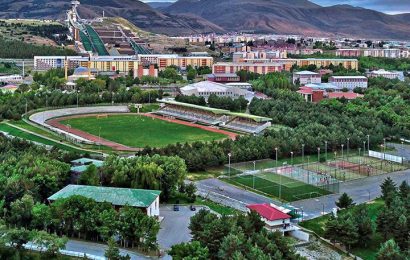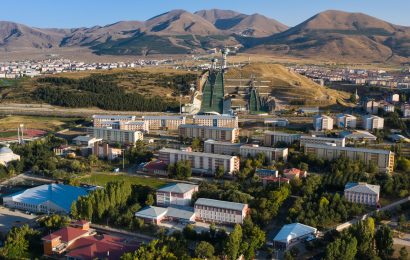
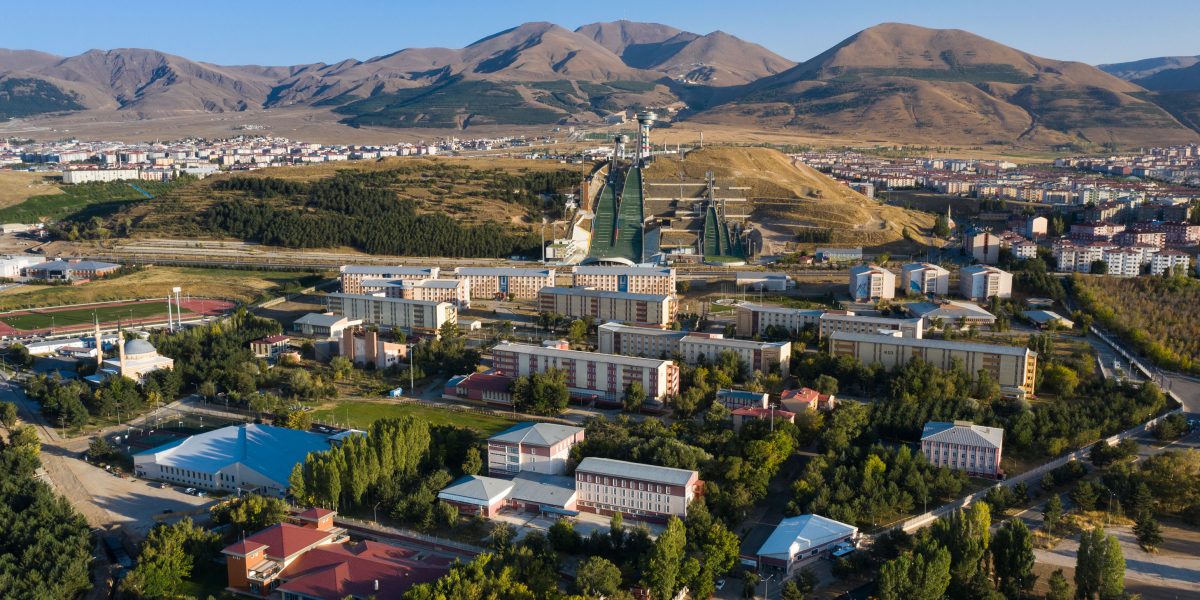
Atatürk University has embarked on a multi-tiered energy efficiency upgrade roadmap, targeting retrofits of existing buildings to modern standards. The university currently implements efficiency measures (LED lighting, sensor controls, photovoltaics) and plans further upgrades (envelope insulation, HVAC optimization, building automation) aligned with its sustainability objectives.
1. Existing Energy Efficiency Measures & Demonstration Projects
-
Solar Photovoltaic Installations (Rooftop Systems):
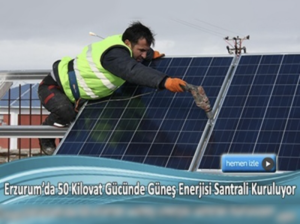
Atatürk University is already planning rooftop solar installations. A “Güneş Yeni Umutlarla Artık Daha Bir Başka Doğacak” joint project (with KUDAKA) aims to build a 50 kW solar power plant on the roof or site of the University’s Hayvancılık Araştırma ve Uygulama Merkezi (Livestock Research & Application Center). Tarım Bakanlığı Web TV
This project is intended to produce ≈ 80,000 kWh/year and offset a significant portion of that building’s electricity demand. Tarım Bakanlığı Web TV
-
LED Lighting Retrofits & Feasibility Studies:
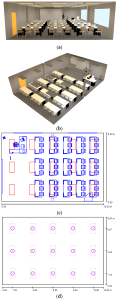
A feasibility study titled “Feasibility Study of Atatürk University for LED Illumination” was conducted to assess converting existing lighting to high-efficiency LED fixtures, yielding favorable energy savings potential. ResearchGate
Already the university uses LEDs and sensor-activated lighting (fotoselli lambalar) in its buildings and corridors as part of its standard upgrade policies.
-
“Green Energy” / Renewable Lighting in Satellite Campuses:
Under the project “Yeşil Bir Gelecek İçin Yeşil Enerji (Güneş Enerjisi) Kullanımının Artırılması”, part of the Oltu Vocational School’s campus lighting has been replaced or supplemented with solar-powered lighting systems to reduce dependence on grid electricity. tdm.atauni.edu.tr

-
Hybrid Micro-HES / Solar Prototype Project:
A student/faculty project (FLP-2019-7681) developed a self-powering micro hydroelectric + solar hybrid system as a prototype, demonstrating the university’s interest in integrating on-site renewable energy with efficiency improvements. Avesis
2. Planned Upgrades & Strategic Measures for Existing Buildings
To achieve campus-wide energy efficiency upgrades, Atatürk University has (or should adopt) a phased retrofit plan, comprising:
-
Energy Audits & Benchmarking
Perform comprehensive building energy audits (lighting, HVAC, insulation, envelope, plug loads) for each facility. Use energy performance benchmarks and prioritize high-consumption buildings. -
Lighting System Upgrades
-
Replace all traditional fluorescent, HID, or incandescent fixtures with high-efficiency LED luminaires.
-
Use presence sensors, daylight sensors, and timers to switch off lights automatically in low-use zones.
-
Building Envelope Improvements
-
Add roof and wall insulation, insulated glazing, and reduce thermal bridging.
-
Retrofit windows with low-emissivity coatings or double/triple glazing where appropriate.
-
HVAC System Optimization
-
Replace or retrofit aging chillers, pumps, boilers with high-efficiency units.
-
Introduce variable-speed drives (VSD/VFD) on pumps and fans to match load.
-
Implement demand-control ventilation, heat recovery systems, and smart thermostatic zoning.
-
Building Automation & Controls (BMS / BAS)
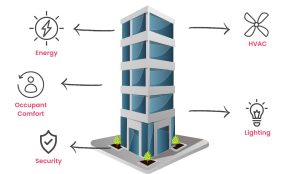
Include a centralized Building Management System (BMS) to monitor and control HVAC, lighting, and other loads. Use data analytics to detect inefficiencies and schedule preventive maintenance.
-
Photovoltaic + Battery Systems
-
Expand rooftop PV installations across multiple buildings, not just new ones.
-
Where feasible, integrate battery storage to smooth peak load, enable self-consumption, and reduce grid dependency.
-
Plug Load & Equipment Efficiency
-
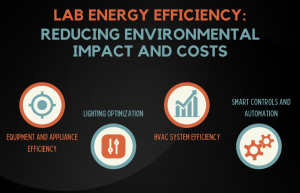
Standardize energy-efficient appliances and lab equipment (ENERGY STAR or equivalent).
-
Use power strips and smart outlets that cut off phantom loads (standby power).
-
Promote campus policies to switch off PCs, monitors, and shared devices when idle.
-
Monitoring & Performance Verification
-
Meter major energy loads (lighting, HVAC, plug) and track year-on-year performance improvements.
-
Publish energy savings and improvement metrics in sustainability / SDG reports.
-
Funding & Incentives
-
Leverage national funding programs like KAYEP (Kamu ve Belediye Yenilenebilir Enerji Projesi) which supports licenseless solar installations for public institutions including universities. kamuenerji.csb.gov.tr
-
Use internal capital budgets, green bonds, or external grants to finance retrofits.

3. Alignment with National & Institutional Policies
-
KAYEP Program & Public Building Policy:
Under KAYEP, Turkey supports installing rooftop solar in public institutions (including universities) to replace part of their electricity use. Atatürk University can qualify to retrofit older buildings under this incentive scheme. kamuenerji.csb.gov.tr -
Integration with Strategic Planning & SDG Goals:
The retrofit roadmap should be embedded in the university’s Strategic Plan (2024–2028) and its SDG action plans, ensuring accountability and resource allocation. -
Capacity Building & Pilot Validation:
Use existing projects (like the 50 kW solar installation, LED retrofits, micro-HES prototype) as demonstration cases to validate cost-benefit models before large-scale rollout.