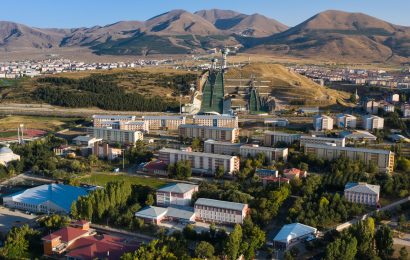
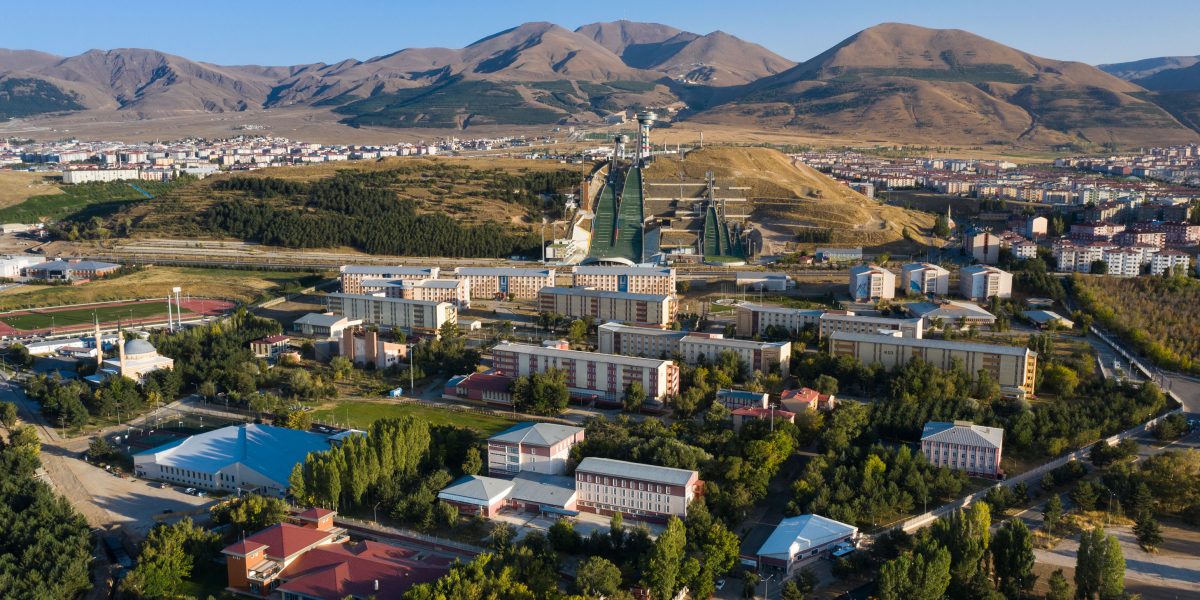
Atatürk University is committed to ensuring access to safe, potable water across its campuses. To this end, the university maintains an extensive network of clean drinking water fountains (çeşme), water dispensers (su sebili), and filtered taps in academic buildings, dormitories, administrative units, and public spaces. These facilities are available free of charge to students, faculty, staff, and visitors, reflecting the institution’s dedication to health, equity, and environmental sustainability.
1. Infrastructure & Accessibility
-
Drinking Water Fountains (Çeşmeler):
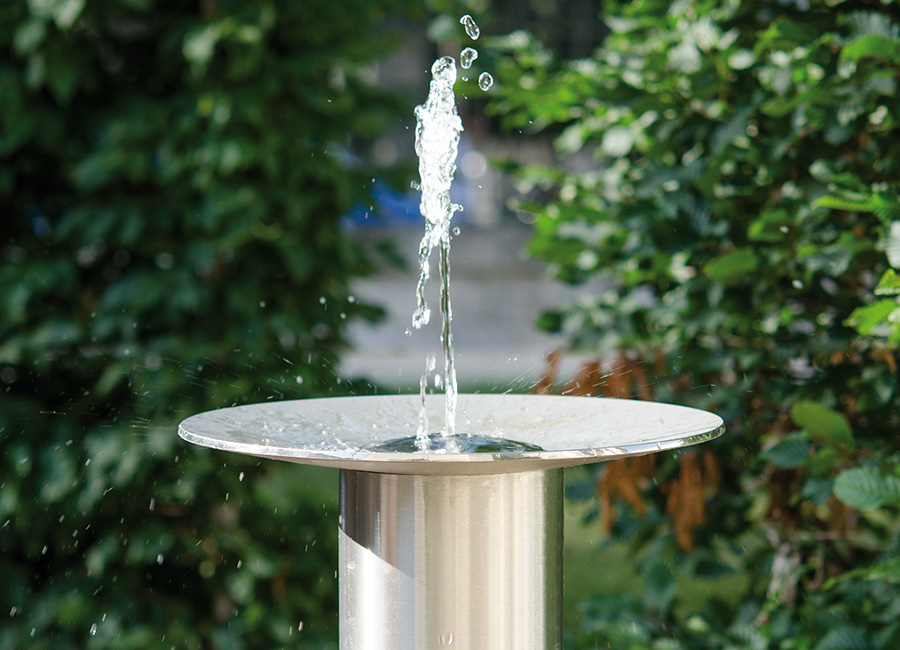
Numerous hard-plumbed drinking fountains are installed in hallways, outdoor courtyards, libraries, lecture halls, and campus common areas. These fountains provide continuous flow of chilled, filtered water.
-
Water Dispenser Units (Su Sebili):
In indoor units such as administrative offices, student lounges, cafeterias, laboratories, and dormitory corridors, water dispenser machines are placed. These are regularly maintained, cleaned, and filled with potable water. -
Filtered Taps / Point-of-Use Filters:
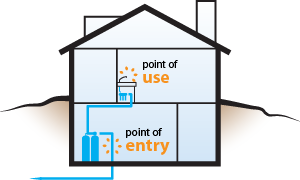
Some laboratories, medical units, and high-traffic buildings are equipped with point-of-use filtration systems (e.g. carbon block filters or UV sterilization modules) on specific taps to provide higher assurance of water quality.
-
Coverage & Density:
The university ensures that no more than 100-150 meters of walking distance exists between any campus location and a free drinking water point. Strategic placement ensures accessibility even in peripheral buildings and green spaces. -
Signage & Wayfinding:
All drinking water points are clearly marked with international water-fountain icons and directional signage. Campus maps and mobile apps include drinking water locations for ease of navigation.
2. Quality Assurance & Maintenance
-
Sanitization & Maintenance Schedule:
Every drinking fountain, dispenser, and filter is cleaned, sanitized, and inspected on a monthly basis by Facilities Maintenance. Filters are replaced per manufacturer schedule (e.g. every 6 months or 5,000 liters) or sooner if water quality degrades. -
Water Quality Testing:
Random sampling is performed twice a year at multiple drinking points for bacterial indicators (E. coli, total coliforms) and parameters (pH, turbidity, residual chlorine). The Environmental Health Unit ensures that these tests comply with the Regulation on Water Intended for Human Consumption and Turkish Standards (TS 266). -
Rapid Response Mechanism:
If any fountain/dispenser fails quality thresholds or shows mechanical problems (e.g. low flow, leak, discoloration), the point is immediately flagged offline, repaired or replaced, and retested before return to service. -
Temperature & Flow Control:
Fountains are designed to deliver water at optimal drinking temperature and with steady flow to prevent stagnation or double-dipping.
3. Equity, Outreach & Sustainability Programs
-
Universal Access:
Free drinking water is available to all campus community members—students, staff, faculty, and visitors alike, regardless of their building or location. Guest areas, auditoriums, and public plazas also include drinking fountains. -
Sustainability & Plastic Reduction:
The infrastructure supports the university’s single-use plastic reduction initiatives. Drinking fountains and dispensers encourage the use of reusable bottles, reducing reliance on bottled water.
-
Awareness Campaigns:
The university runs campaigns (posters, digital signage) promoting “Refill, not discard,” encouraging the campus community to bring reusable bottles and use available water points. -
Usage Monitoring & Feedback:
Water consumption at centralized dispensers is metered, and usage statistics help the Facilities team detect underused or overloaded points. Users can report malfunctioning fountains via a mobile maintenance app.
4. Impact & Compliance
-
Health & Welfare:
By providing free access to clean water, Atatürk University supports hydration, health, and academic performance, especially in hot months or during physical activity. -
Compliance with SDG Criteria:
The university satisfies the criterion of free, safe drinking water for all campus participants. The combination of infrastructure, quality control, equity of access, and maintenance ensures reliability and integrity. -
Transparency & Reporting:
Drinking water infrastructure, maintenance protocols, and testing results are published in the Sustainability / SDG Performance Report and available on the university’s public web portal.