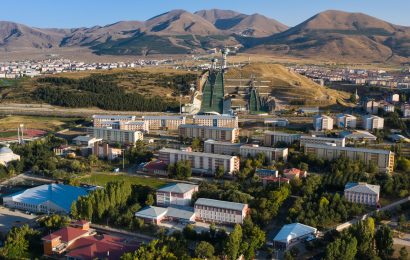
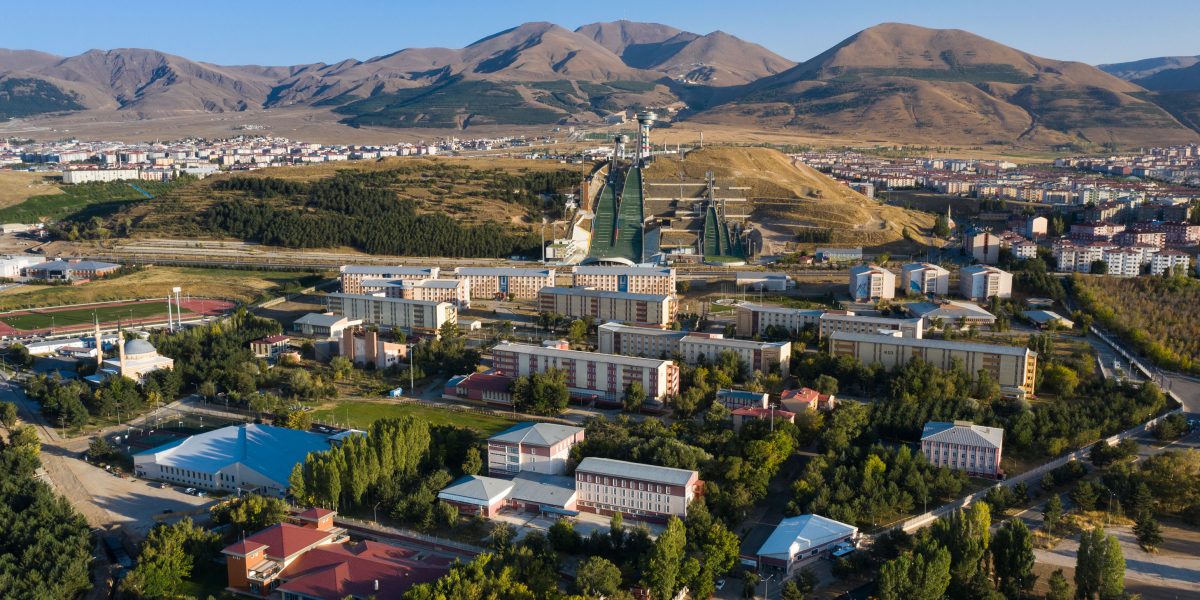
Atatürk University applies advanced building design and construction standards to minimize water consumption across its campuses. All new construction, renovation, and facility management projects are designed in compliance with both international sustainability criteria (LEED – Leadership in Energy and Environmental Design) and national regulatory frameworks, notably the Regulation on Water Efficiency in Buildings (Resmî Gazete No. 30860, dated 5 October 2019).
These standards ensure that each new building integrates water-saving systems, low-consumption fixtures, rainwater harvesting, and greywater reuse technologies as part of a comprehensive environmental strategy.
1. Application of National and International Standards
-
Compliance with the “Binalarda Su Verimliliği Yönetmeliği” (Official Gazette No. 30860):
The university follows the provisions of the Ministry of Environment, Urbanization and Climate Change regulation which mandates:-
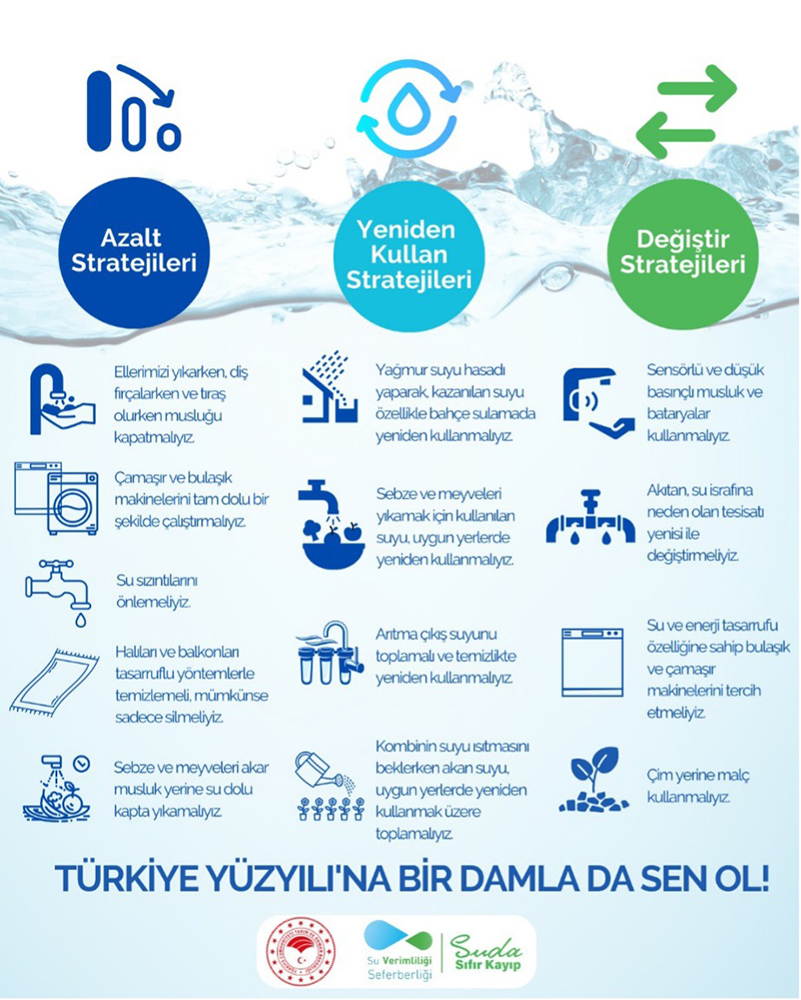
The use of low-flow sanitary fixtures and fittings,
-
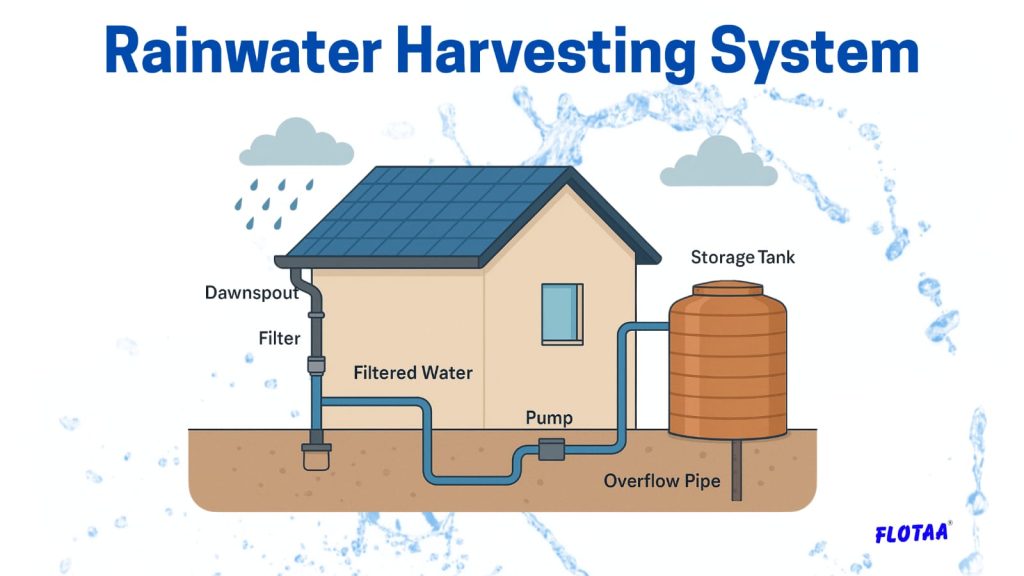
Installation of rainwater collection systems for irrigation and cleaning,
-
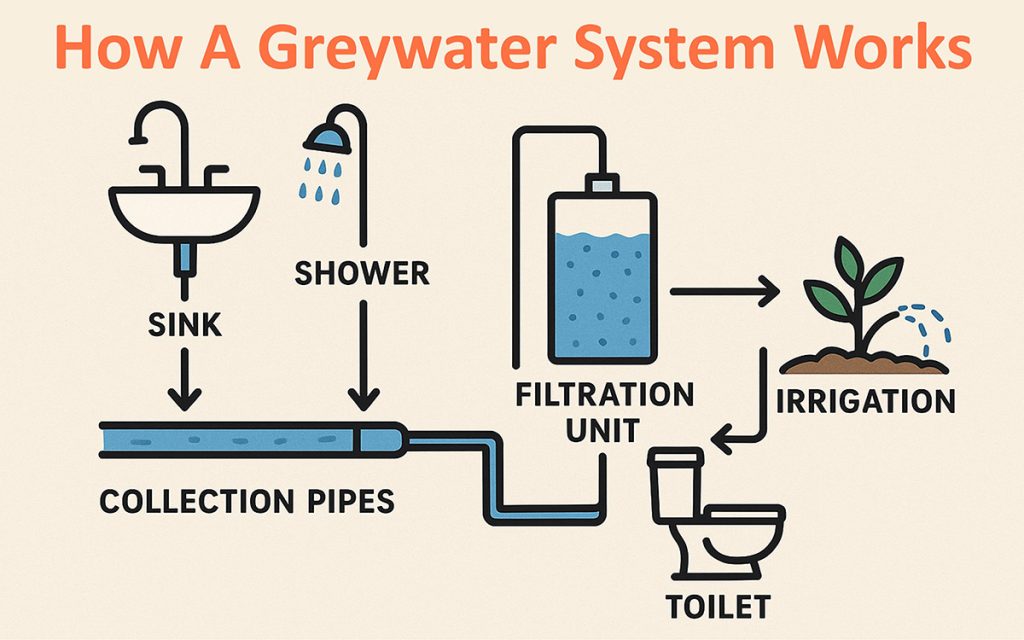
Design of dual-piping systems enabling greywater reuse,
-
Monitoring of water consumption at the building level via digital meters.
Each new campus building is approved only after confirming compliance with these national efficiency criteria.
-
-
LEED (Leadership in Energy and Environmental Design) Alignment:
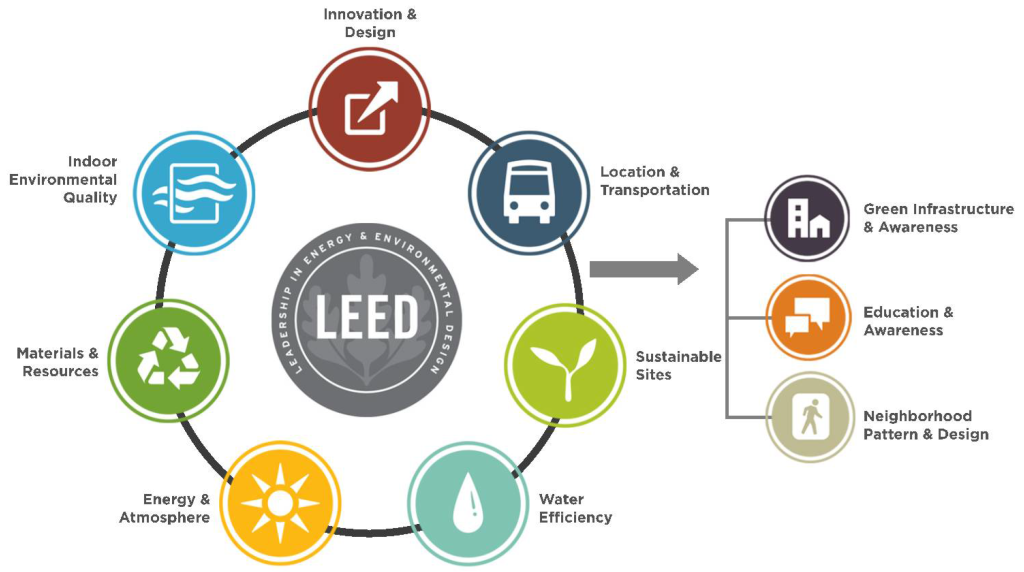
Atatürk University’s new academic buildings, research laboratories, and administrative facilities are constructed according to LEED-certified design principles emphasizing:-
Water Efficiency (WE) Credit compliance — including indoor plumbing fixture efficiency and outdoor water use reduction,
-
Use of native and drought-tolerant landscape vegetation,
-
Optimization of irrigation through rainwater-fed systems and smart controllers,
-
Integration of efficient cooling towers and closed-loop systems.
These measures align with LEED BD+C (Building Design and Construction) criteria to reduce potable water consumption by at least 40 % compared to baseline buildings.
-
2. Water-Saving Fixtures and Building Technologies
To minimize indoor water use, the university applies innovative fixture and automation systems across both existing and new structures:
| Water Efficiency Technology | Application Area | Expected Saving |
|---|---|---|
| Sensor-activated faucets (fotoselli musluklar) | Lavatories, restrooms, laboratories | 50–60 % reduction in tap water use |
| Dual-flush and low-flow toilets | Administrative and academic buildings | 30 % lower per-flush consumption |
| Water-saving urinals with automatic valves | High-traffic restrooms | 25–40 % reduction |
| Aerated showerheads and faucets | Dormitories, guesthouses | 35 % reduction |
| Smart irrigation controllers | Campus landscapes, green roofs | 40–50 % less irrigation water |
| Leak detection sensors | New mechanical rooms, maintenance systems | Early prevention of losses |
All fixtures are sourced from TSE-approved (Turkish Standards Institute) or LEED-compliant manufacturers to ensure environmental quality and durability.
3. Rainwater Harvesting and Greywater Reuse Projects
Atatürk University has launched several pilot and applied projects to expand sustainable water management:
-
Rainwater Harvesting Systems:
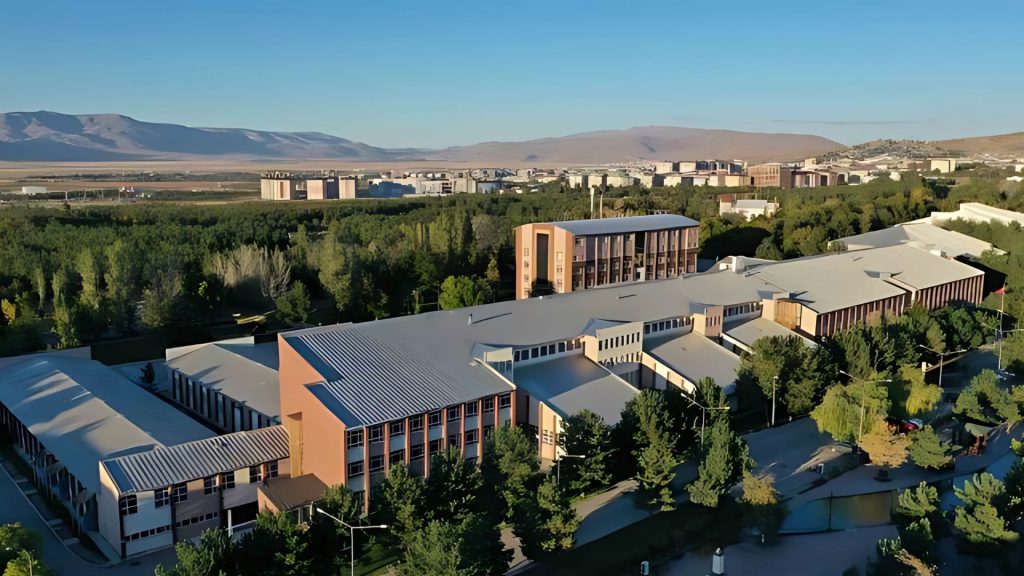
New buildings such as Engineering Faculty extensions, Research Laboratories, and Central Library renovations incorporate rooftop rainwater collection tanks. Collected rainwater is filtered and stored in underground reservoirs for use in landscape irrigation and street cleaning.
Preliminary data show that each cubic meter of harvested rainwater offsets an equivalent amount of mains supply consumption, contributing to an estimated 15 % reduction in annual potable water demand.
-
Greywater Recycling Initiatives:
The university is implementing greywater reuse systems that collect lightly used water from sinks and showers for reuse in toilet flushing or irrigation.
Ongoing collaboration between the Faculty of Engineering and the Big Data Management Office monitors greywater system efficiency and evaluates future integration in dormitories and new housing units.
-
Research-Driven Innovation:
Within the Faculty of Architecture and Environmental Engineering, multiple research theses and projects focus on developing modular water recovery systems, low-cost rainwater filtration designs, and smart water reuse monitoring platforms integrated with IoT sensors.
These projects contribute not only to the university’s operations but also to regional sustainability knowledge.
4. Water-Efficient Landscaping and Outdoor Use Reduction
-
Native Plant Selection:
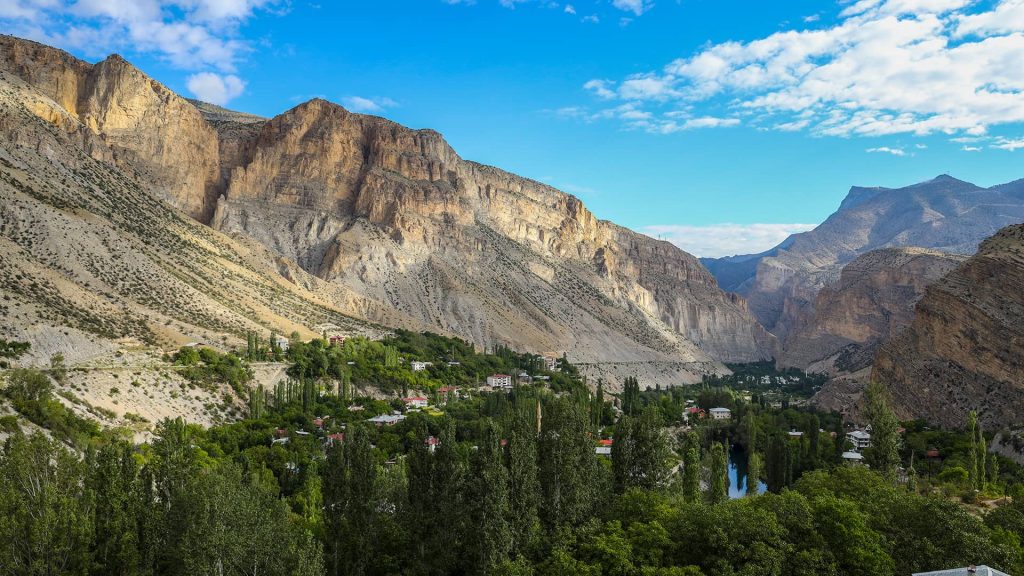
Campus landscaping employs native, drought-resistant species adapted to Erzurum’s semi-arid climate (e.g., junipers, local grass species), significantly reducing irrigation demand.
-
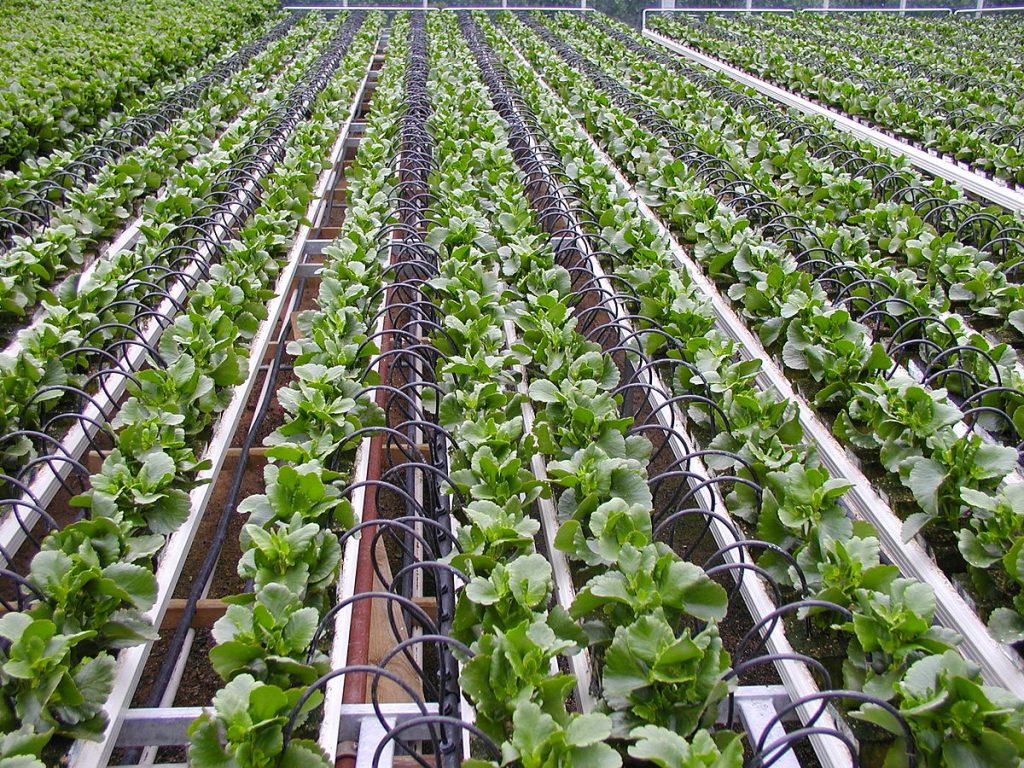
Drip Irrigation Systems:
Transition from sprinkler to drip irrigation in green areas has achieved up to 45 % savings in outdoor water use.
-
Seasonal Irrigation Scheduling:
Smart controllers and meteorological sensors connected to the Big Data Management Office’s environmental dashboard optimize irrigation frequency based on soil moisture and rainfall data.
5. Monitoring, Verification, and Reporting
-
Building-Level Water Metering:
Digital sub-meters installed in new buildings track real-time water consumption, with data sent to the Big Data Management Office for continuous analysis.
Early alerts are generated for irregular consumption patterns, allowing rapid maintenance response. -
Sustainability Reporting:
All water-efficiency measures and consumption results are published in the Annual Sustainability and SDG Performance Reports.
Each new project undergoes environmental performance evaluation during design, construction, and operation stages.