Atatürk University | SDG 1 – No Poverty | Indicator 1.4.3 | Reporting Year: 2025
1. Institutional Commitment to Equitable Access to Basic Services
Atatürk University is committed to improving community access to essential services through education, practical training, public awareness programmes and community-based outreach.
The University recognises that access to basic services involves more than the physical availability of infrastructure. Individuals must also have the knowledge, skills and information required to use healthcare, education, digital services, sanitation and social support systems effectively.
This is particularly important for people living in rural areas, individuals with disabilities, children, families facing socioeconomic difficulties and communities with limited access to specialist information.
Through its Community Awareness and Service Center (Toplumsal Duyarlılık Projeleri Uygulama ve Araştırma Merkezi), Continuing Education Center (ATASEM), academic faculties and community engagement programmes, Atatürk University works to reduce these informational and practical barriers.
During 2025, the University implemented and documented community engagement projects addressing first aid, health awareness, hygiene, digital safety, disability inclusion, children’s rights and access to educational opportunities.
These activities demonstrate an institutional approach to improving access to basic services that extends beyond the University’s student population.
Institutional evidence:
Community Awareness and Service Center
Atatürk University Continuing Education Center
2. Community Engagement Programmes Implemented in 2025
2.1. Faculty of Economics and Administrative Sciences: 59 Community Projects
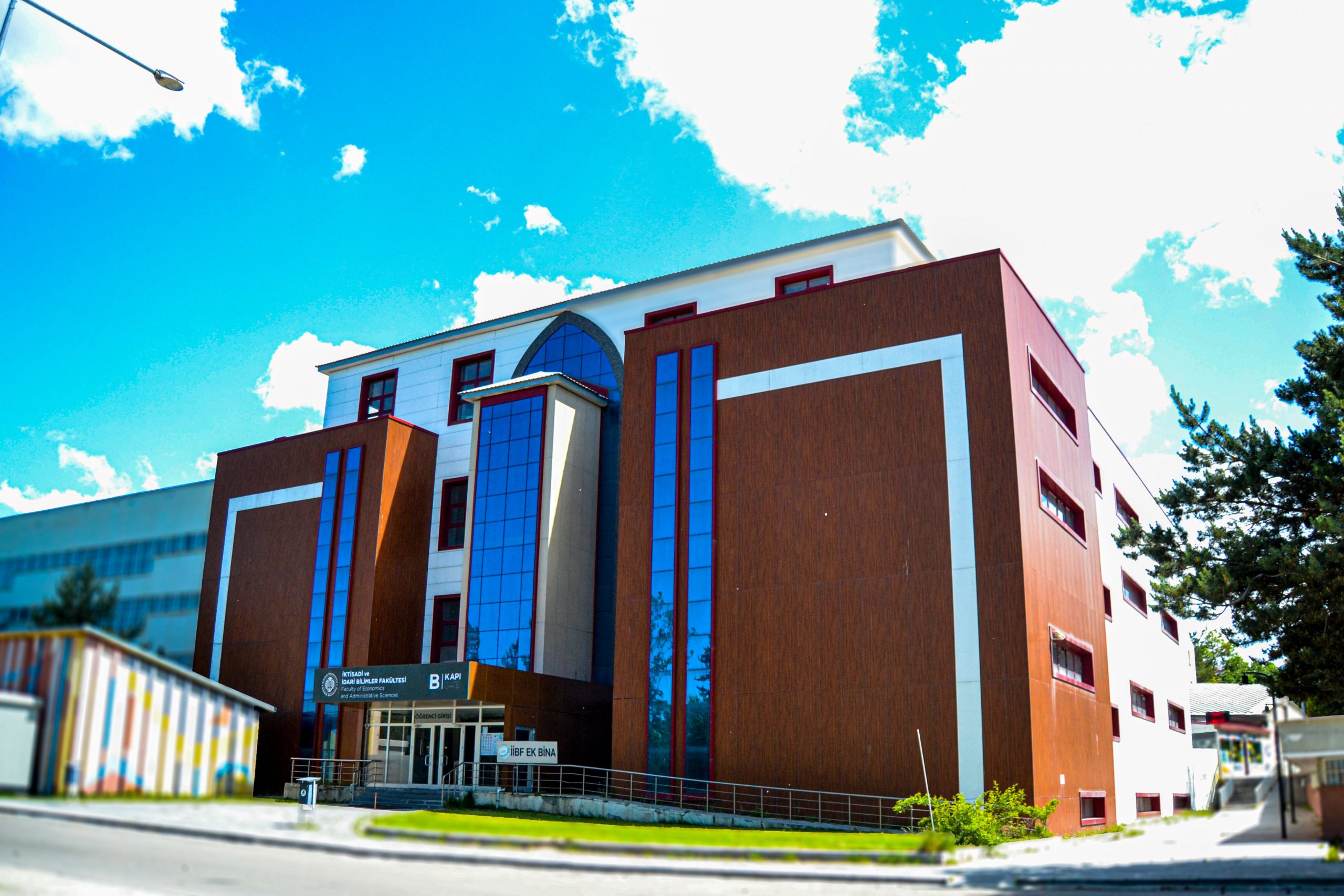
Atatürk University’s Faculty of Economics and Administrative Sciences reported the implementation of 59 social responsibility projects during the spring semester of 2025.
The projects addressed a broad range of social issues, including disability inclusion, environmental sustainability, social awareness and community welfare.
Among the documented activities were:
- “Know Your Rights, Raise Your Voice” – 25 May 2025.
- “First Steps Towards Saving” – 25 May 2025.
- “Conscious Social Media Use” – 24 May 2025.
- “Life-Saving Blood Donation Awareness” – 24 May 2025.
- “Smoke-Free Life, Clean Future” – 24 May 2025.
These activities demonstrate how the University uses community-oriented educational projects to improve public awareness of rights, financial decision-making, health-related behaviour and digital safety.
Although not every social responsibility project concerns access to a basic service directly, the relevant activities help strengthen the knowledge and skills needed to navigate essential services and protect personal wellbeing.
Official evidence: Faculty of Economics and Administrative Sciences – Community Awareness Projects, 2025
3. Health Education, First Aid and Community Wellbeing
3.1. First Aid and Public Health Awareness in 2025
Atatürk University’s Department of Sociology reported that its students completed 24 social responsibility projects during the 2024–2025 academic year.
The projects covered topics including first aid, digital safety, children’s rights, environmental awareness and women’s entrepreneurship.
First aid education is particularly relevant to access to basic healthcare because it equips community members with knowledge that can support an appropriate initial response to accidents and emergencies.
By incorporating first aid and public health awareness into community-oriented educational projects, the University contributes to improving practical health knowledge outside formal healthcare settings.
Official evidence: Department of Sociology – 24 Social Responsibility Projects, 3 July 2025
3.2. Established Community-Based First Aid Training
The Community Awareness and Service Center maintains a portfolio of projects designed to improve practical health knowledge.
Previously documented programmes include:
“Let’s Learn First Aid in Villages”
This initiative focuses on communicating essential first aid knowledge to rural communities.
“Increasing Awareness of First Aid Principles for Healthy Living”
This project provided theoretical and practical first aid education to personnel at the Erzurum Provincial Gendarmerie Command.
These earlier initiatives demonstrate the University’s established capacity to deliver health-related education beyond campus boundaries.
They are presented as examples of the University’s continuing community engagement framework, rather than as newly verified activities from 2025.
Evidence:
Community First Aid Education in Villages
First Aid Principles and Awareness Programme
4. Hygiene, Preventive Healthcare and Health Literacy
4.1. Hygiene Education for Young Children

Atatürk University’s Oltu Faculty of Humanities and Social Sciences documented a range of community engagement projects in its 2025 Annual Activity Report.
Among the activities listed was:
“Developing Personal Hygiene Awareness among Preschool Children”
The project addressed hygiene knowledge among young children, an important component of preventive healthcare and sanitation education.
Introducing appropriate hygiene practices at an early age can help children develop habits that support personal health and reduce preventable health risks.
The faculty’s annual report also documents awareness activities concerning smoking-related health risks, social care and public wellbeing.
These activities demonstrate the University’s contribution to preventive health education at the community level.
Official evidence: Oltu Faculty of Humanities and Social Sciences – 2025 Annual Activity Report, Section 6.7
4.2. Health Education through Continuing Education
Atatürk University’s Continuing Education Center (ATASEM) maintains a Ministry of Health-approved First Aid Certificate Programme.
The programme is designed to improve basic health knowledge and first aid skills among members of the community and personnel working in public and private organisations.
Its curriculum addresses the knowledge and practical competencies needed to respond appropriately to situations requiring first aid.
The programme operates under relevant regulatory and provincial health authority requirements.
The published programme information demonstrates an established training pathway. However, the programme page does not establish that a particular cohort completed the training during 2025.
Official evidence: ATASEM – First Aid Certificate Programme
5. Digital Literacy and Safe Access to Online Services
Digital access is increasingly necessary for using essential public services, including education, healthcare appointments, social assistance applications and government information systems.
However, access to digital infrastructure alone is insufficient when individuals lack the knowledge needed to use online systems safely.
Atatürk University’s 2025 community engagement activities addressed digital awareness through projects focusing on:
- Responsible social media use.
- Digital safety.
- Children and technology.
- Awareness of financial fraud.
The Faculty of Economics and Administrative Sciences documented a project on conscious social media use in May 2025.
The Department of Sociology included digital safety among the themes of its 24 social responsibility projects.
The Oltu Faculty’s 2025 Annual Activity Report also identified projects concerning children and technology and awareness of financial fraud.
These programmes contribute to digital literacy and safer participation in online environments.
They are relevant to the broader conditions for digital inclusion, although the available evidence does not establish that they directly provided broadband connections or taught participants to use specific government service platforms.
Official evidence:
Faculty of Economics and Administrative Sciences – 2025 Community Projects
Department of Sociology – 2025 Social Responsibility Projects
Oltu Faculty – 2025 Annual Activity Report
6. Disability Inclusion and Access to Social Services
Improving access to basic services requires attention to the barriers experienced by people with disabilities.
The Oltu Faculty of Humanities and Social Sciences documented several relevant community engagement projects during 2025, including:
“Accessible Games”
“An Accessible World Is Everyone’s Right”
“Different by One: Awareness Board”
“Smiles Without Barriers”
“Social Work in Palliative Care: Hope and Support”
These activities addressed disability awareness, inclusive participation and social care.
The projects illustrate how the University integrates social inclusion into community education and engagement.
They also support public understanding of the needs of people who may experience barriers when accessing educational, healthcare and social services.
The activities should be understood as awareness and community support initiatives; the available documentation does not establish that they directly removed physical accessibility barriers or provided individual social welfare entitlements.
Official evidence: Oltu Faculty – 2025 Annual Activity Report, Community Awareness Projects
7. Educational Access and Support for Rural Communities
7.1. Community Education and Rural School Support
Atatürk University’s Community Awareness and Service Center has an established record of educational projects directed towards schools and rural communities.
Examples include:
“Happy Village Schools”
This initiative reflects the University’s commitment to supporting children in village schools through community engagement.
“Villages Gain Access to Libraries”
The programme addresses educational resource availability in rural settlements.
“Supporting Village Schools”
University community projects have also included assistance for village schools and activities intended to improve children’s educational experiences.
These programmes are relevant to equitable access to education, particularly where schools and communities face limitations in educational resources.
The documented examples demonstrate the University’s established outreach model. Their individual implementation dates should be checked before treating them as activities conducted during 2025.
Evidence:
Villages Gain Access to Libraries
Community Awareness and Service Center
7.2. Supporting Educational and Social Inclusion in 2025
The Oltu Faculty’s 2025 community engagement portfolio included projects directed towards children, inclusive educational participation and support for individuals with special needs.
These activities complemented the University’s established school outreach initiatives and demonstrate continuing engagement with educational and social needs outside conventional university teaching.
Official evidence: Oltu Faculty – 2025 Annual Activity Report
8. Training University Participants to Deliver Community Programmes
Atatürk University also strengthens its community engagement capacity by training students and academic staff to design and implement social responsibility projects.
On 20 March 2025, the Community Awareness and Service Center contributed to a project-writing training activity organised by the Faculty of Sport Sciences.
During the event, the Center’s Deputy Director, Dr. Ahmet Polatoğlu, delivered an information session on community awareness projects.
This activity helped develop institutional capacity for planning and implementing community-oriented initiatives.
Such training is relevant because effective community outreach depends on participants being able to identify needs, develop appropriate interventions and organise activities with community partners.
The training was primarily intended for project developers rather than members of the general public. Its contribution to Indicator 1.4.3 is therefore indirect, through strengthening the University’s capacity to deliver community services.
Official evidence: Community Awareness and Service Center – Events, 20 March 2025
9. Institutional Framework for Community-Based Service Access
The University’s activities are supported by a continuing institutional structure.
Community Awareness and Service Center
The Center coordinates community engagement projects involving students, academic staff and external stakeholders.
Its portfolio includes initiatives concerning health, education, environmental awareness and social inclusion.
Official website: tdm.atauni.edu.tr
Continuing Education Center – ATASEM
ATASEM provides a structured platform for professional development and certificate-based education, including programmes relevant to health and practical community skills.
Official website: atasem.atauni.edu.tr
Academic Faculties and Departments
Faculties and departments contribute through community engagement courses, social responsibility projects, public awareness initiatives and activities with local institutions.
Their 2025 documentation demonstrates that community-oriented programmes are not confined to a single central office.
This distributed institutional approach enables different academic disciplines to address distinct community needs.
10. Summary of Documented 2025 Activities
| Programme or Activity | Documented 2025 Evidence | Relevance to Basic Services |
|---|---|---|
| Faculty of Economics and Administrative Sciences community projects | 59 projects during spring 2025 | Health awareness, rights, digital safety and social inclusion among broader themes |
| Department of Sociology social responsibility projects | 24 projects during 2024–2025 | First aid, digital safety, children’s rights and community education |
| Preschool hygiene awareness | Listed in Oltu Faculty’s 2025 report | Preventive health and sanitation knowledge |
| Disability inclusion projects | Listed in Oltu Faculty’s 2025 report | Awareness of accessibility and inclusive participation |
| Financial fraud awareness | Listed in Oltu Faculty’s 2025 report | Financial and digital safety knowledge |
| Children and technology | Listed in Oltu Faculty’s 2025 report | Digital awareness and responsible technology use |
| Community project development training | 20 March 2025 | Capacity to design and deliver community programmes |
These activities demonstrate the range of community-oriented education and awareness programmes documented by the University during 2025.
The reported totals of 59 and 24 refer to the respective faculties’ broader social responsibility portfolios and should not be interpreted as counts of projects exclusively addressing basic service access.
11. Contribution to SDG 1 – No Poverty
Limited access to basic services can reinforce socioeconomic disadvantage.
Atatürk University’s community education and outreach activities address several barriers that may affect vulnerable populations.
Healthcare knowledge: First aid, hygiene and preventive health education strengthen community awareness of essential health practices.
Educational opportunity: School support initiatives and community education activities contribute to more inclusive learning environments.
Digital participation: Digital safety and technology awareness programmes help individuals develop skills relevant to participation in an increasingly digital society.
Social inclusion: Disability awareness and social care projects encourage greater recognition of the needs of people facing accessibility and participation barriers.
Community capacity: Training students and staff to implement social responsibility projects supports the University’s ability to engage with local needs.
These initiatives contribute to the broader objective of reducing disadvantage by improving knowledge, awareness and community support related to essential services.
Conclusion
Atatürk University demonstrates an established commitment to improving access to basic services through community-based training, education and social responsibility programmes.
During 2025, the University documented substantial community engagement activity, including 59 projects implemented by the Faculty of Economics and Administrative Sciences during the spring semester and 24 social responsibility projects developed by the Department of Sociology during the 2024–2025 academic year.
Relevant initiatives addressed first aid, hygiene, digital safety, disability inclusion, children’s rights, health awareness and community wellbeing.
The University’s Community Awareness and Service Center, Continuing Education Center and academic units provide the institutional framework through which these programmes are developed and delivered.
By extending education and practical knowledge beyond the classroom, Atatürk University contributes to reducing informational and social barriers associated with essential services and supports SDG 1 – No Poverty, Indicator 1.4.3: Training or Programmes to Improve Access to Basic Services for All.