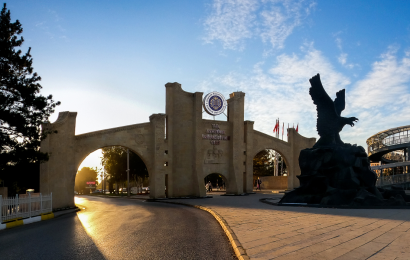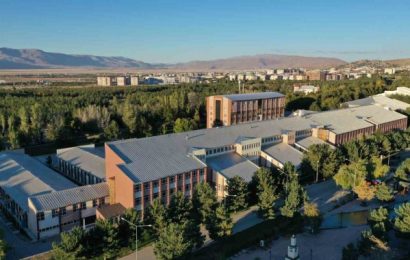
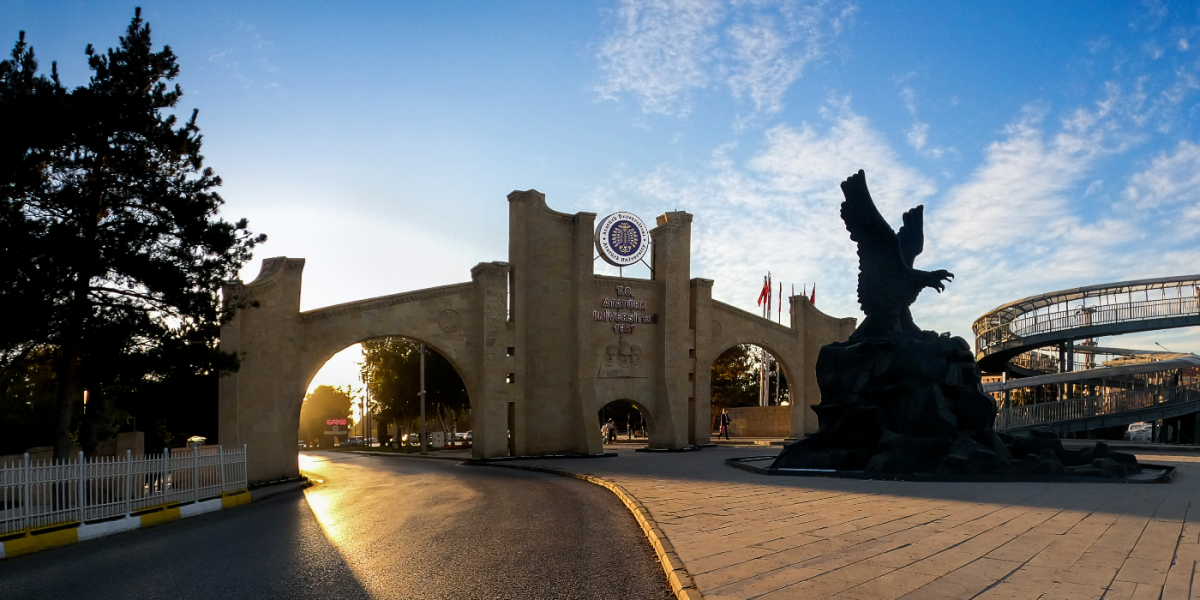
Atatürk University, as one of the largest and most diverse higher education institutions in Eastern Anatolia, implements a comprehensive Poverty Alleviation and International Student Support Program. In line with the definitions of the World Bank, the program specifically targets students from low- and lower-middle-income countries, such as Afghanistan, Bangladesh, Sudan, Yemen, Syria, Libya, Nigeria, and others, encouraging them to study at Atatürk University and to integrate into Turkish society.
Targeted Financial and Social Support
To ensure equal access to quality higher education, Atatürk University provides:
-
Tuition Fee Discounts and Exemptions for students from disadvantaged backgrounds and war-affected regions.
-
Housing Opportunities, including places in the University’s female dormitory and large-scale KYK dormitories in Erzurum with a capacity of 16,000 female and 10,000 male students, as well as subsidized accommodation in the university guesthouse for international students.

- Meal Scholarships and Rectorate Support, providing daily nutrition and monthly stipends to international students with demonstrated financial need.
-
Integration Programs, including participation in international and regional forums, cultural activities, and community engagement projects designed to support their adaptation to Turkish society and strengthen intercultural dialogue.
International Student Profile
Atatürk University currently hosts thousands of international students from over 70 countries, including large communities from Syria (1,591 students), Azerbaijan (7,968 students), Iran (409 students), Iraq (123 students), Turkmenistan (116 students), Afghanistan (142 students), Yemen (60 students), Sudan (8 students), Somalia (20 students), and many others. This diverse population reflects the university’s strong commitment to global inclusion and accessibility in higher education.
Refugee and War Victim Students
Special attention is given to students coming from conflict-affected countries such as Syria, Palestine, Yemen, Sudan, and Ukraine. These students are supported through transfer rights, guest student status, tuition exemptions, and housing/meal subsidies, ensuring that armed conflict or displacement does not block their access to higher education.