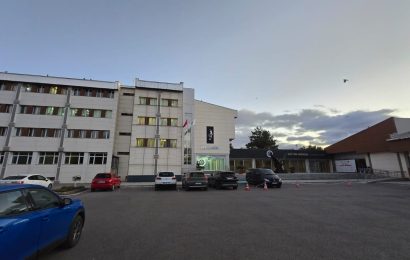

Atatürk University does not simply operate within academic boundaries—it actively engages in policy formation, public-private partnerships, and strategic collaborations at local, regional, and national levels with the explicit aim of tackling multidimensional poverty. Through formal agreements, advisory roles, co-designed development projects, and participation in governmental programs, the university positions itself as a stakeholder in decision making processes that shape poverty alleviation and social inclusion policies.
Institutional Policy Collaboration & Mechanisms
-
Provincial Government Partnership & Strategic Protocol with Erzurum Governorship
In December 2024, Atatürk University signed a strategic cooperation protocol with the Erzurum Governorship to jointly lead local, national, and international grant and project initiatives. The agreement covers key domains such as technology & innovation, agriculture, health, education, environment, and energy, and specifically contemplates co-organized training programs for local partners to uplift disadvantaged communities financially and socially. (Erzurum Governorship Protocol)This protocol enables Atatürk University to contribute academic expertise, planning frameworks, monitoring capacity, and technical support in policy design phases at the regional level—helping steer investments and development projects toward the most underserved neighborhoods.
-
Labor Market & Youth Employment Policy: ISKUR Collaboration
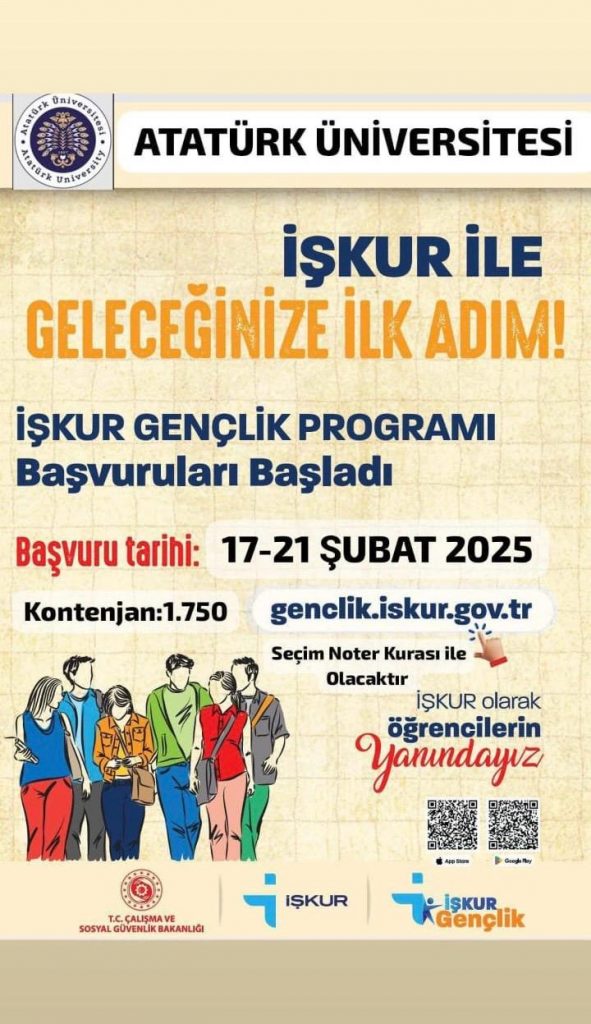
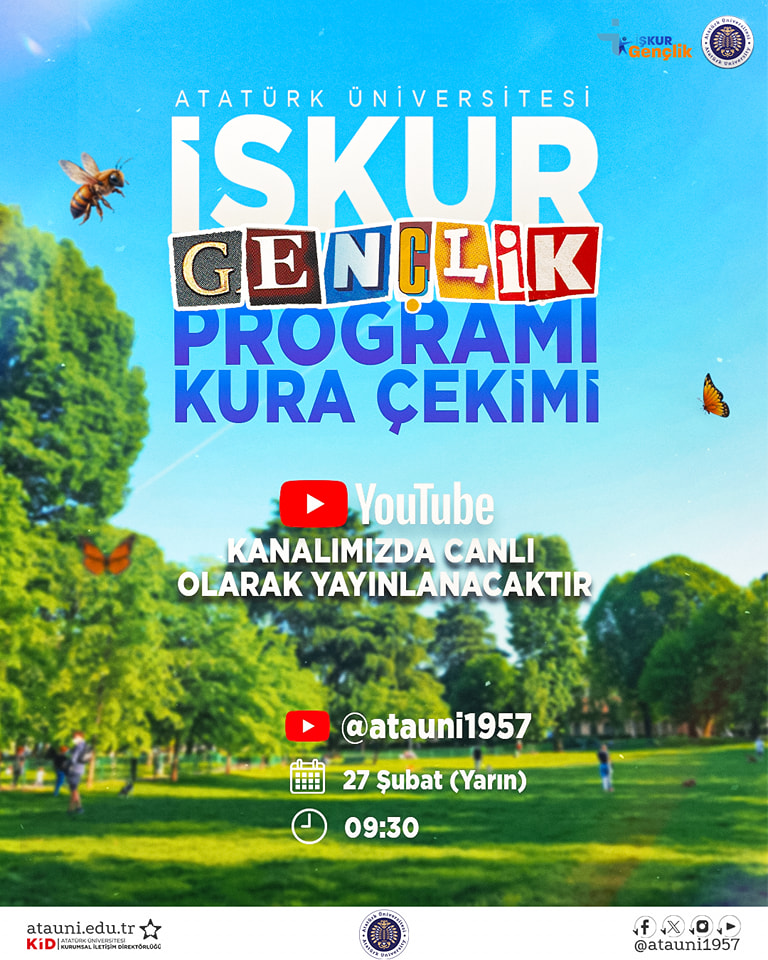
Also in 2024, Atatürk University entered into a collaboration with İŞKUR Erzurum Provincial Directorate under the “GENÇLİK Programı.” Through this, 1,750 students gained access to subsidized part-time work, social security coverage, and skill development while studying. This arrangement embeds the university in active policy implementation targeting youth unemployment—one of the key dimensions of socioeconomic disadvantage. (2024 ISKUR Youth Program Protocol)By contributing to this program, Atatürk University participates in national efforts to reduce youth poverty, inform policy evaluation, and scale regional implementation of employment subsidies.
-
University-Industry Linkage & Innovation as Policy Influence
The university has strengthened its role in university-industry collaboration, not only as an executor of projects but as an influencer of policy directions. In 2024, Atatürk University was recognized for its performance in industry-linked academic outputs, ranking first among state universities in the ratio of industry-collaborative publications. This illustrates how the institution helps define priorities in research funding, incentives, and legislation promoting innovation-led development. (University-Industry Collaboration News)These outputs contribute to policy dialogues at national level regarding R&D incentives, tax credits, and regional innovation policy frameworks.
Policy Input via Strategic & Governance Plans
-
The 2024-2028 Strategic Plan of the university was developed through a participatory process, involving external stakeholders, community experts, and local institutions — ensuring that social equity, regional development, and poverty alleviation are embedded in strategic goals. Atatürk University’s plan integrates “Topluma Katkı (Community Contribution)” as a core mission and structures governance into 7 regional zones to better align policy outreach. (Strategic Plan 2024-2028)
-
In its 2024 Activity Report, the university highlights its compliance with national strategic frameworks (e.g. regional development plans, medium-term programs) in its budgeting and institution-building practices. This signals the university’s alignment with public policy instruments and positions it as a participating actor rather than a passive recipient. (Activity Report 2024)
Leveraging Expertise for Policy Dialogue & Thought Leadership
Atatürk University faculty and researchers frequently contribute to advisory boards, working groups, and public consultations. While exact committee names in 2024 are less publicly documented, the institution’s strategic orientation toward “Topluma katkı / community impact” ensures that expert input on poverty, rural development, health access, and social policy is routed through center units and regional task forces.
Given its local legitimacy and technical capability, the university is often invited into policy design conversations at the provincial level (Erzurum region) to help shape programs in agriculture, rural infrastructure, digital inclusion, and social enterprise development.
Exemplary Impacts & Forward Vision
By embedding itself in protocols with state actors (governorship, İŞKUR) and contributing to local innovation ecosystems, Atatürk University helps translate high-level development policies into actionable regional programs. The institution’s dual role — as knowledge producer and policy partner — positions it to help ensure that poverty alleviation policies are grounded in empirical evidence and local realities.
These actions demonstrate a clear and substantive commitment from Atatürk University to participate in policy making across scales, integrate academic and policy worlds, and reinforce the implementation of programs aimed at ending poverty in all its dimensions.