Atatürk University, as a unified institutional body, systematically integrates local biodiversity considerations into its planning and development processes—including new building construction, infrastructure upgrades, campus landscaping, and site-master planning. These practices are embedded institutionally and supported by strategic documents, investment monitoring reports, projects, and outreach events (including 2024 evidence) that demonstrate ongoing application of biodiversity-sensitive design and development.
1. Institutional framework and strategic alignment
Atatürk University prepared a “Sürdürülebilir Yerleşke Master Planı” (Sustainable Campus Master Plan) which explicitly sets out the spatial, aesthetic, functional and ecological development path of the campus, aligning with the university’s mission, regional development, and the Sustainable Development Goals. avesis.atauni.edu.tr ResearchGate
This master plan incorporates elements such as green corridors, open space preservation, ecosystem preservation zones, landscaping, pedestrian connectivity, bicycle-paths, and alignment with biodiversity principles.
Furthermore, the university’s 2024 investment monitoring report shows that the “Kampus Altyapısı” (campus infrastructure) expenditure includes building and infrastructure works, landscaping, and infrastructure around the “Biyoçeşitlilik Uygulama ve Araştırma Merkezi” (Biodiversity Research & Application Centre) building and its temporary storage area – indicating biodiversity-related infrastructure is part of development. birimler.atauni.edu.tr
The university points out in press releases that in 2024 it achieved a place among the world’s top 250 green universities via the UI GreenMetric ranking, citing its green infrastructure, large open spaces, green campus framework and biodiversity-sensitive layout. Atatürk Üniversitesi
These documents demonstrate that Atatürk University acts institutionally (as a body) with formal master-planning processes that include biodiversity, open-space and land-use decisions.
2. Inclusion of biodiversity in planning & building processes
Under its Sustainable Campus Master Plan, Atatürk University established protocols that require new construction or major renovation projects to integrate landscaping, native vegetation planting, permeable surfaces, open-space preservation, tree-planting programmes, and ecological corridors across the campus. The campus planning document emphasises the necessity of maintaining ecological continuity, minimising habitat fragmentation, and conserving the living environment. ResearchGate
For example, the “Kampus Altyapısı” section of the 2024 investment report includes site-works described as “Muhtelif Yerlerde Asfalt Yapım İşi”, “Merkezi Yerleşkede Taş Kaplama ve Lojmanlar Bölgesinde Çöp Konteyner Cepleri Yapım İşi”, as well as specific mention of the “Biyoçeşitlilik Uygulama ve Araştırma Merkezi Binası ile Geçici Depolama Alanında Altyapı Yapım İşi”. birimler.atauni.edu.tr
These works demonstrate that campus-infrastructure development explicitly incorporates the biodiversity centre site and related landscaping/infrastructure, illustrating planning processes that include biodiversity-elements.
3. Landscaping, open-space management and biodiversity enhancement in 2024
In 2024, several fabric-projects at Atatürk University featured biodiversity sensitive components:
-
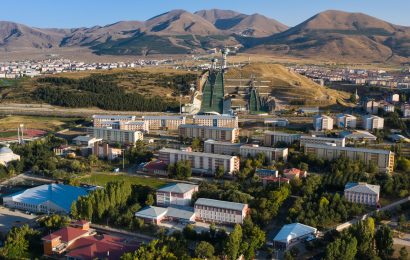
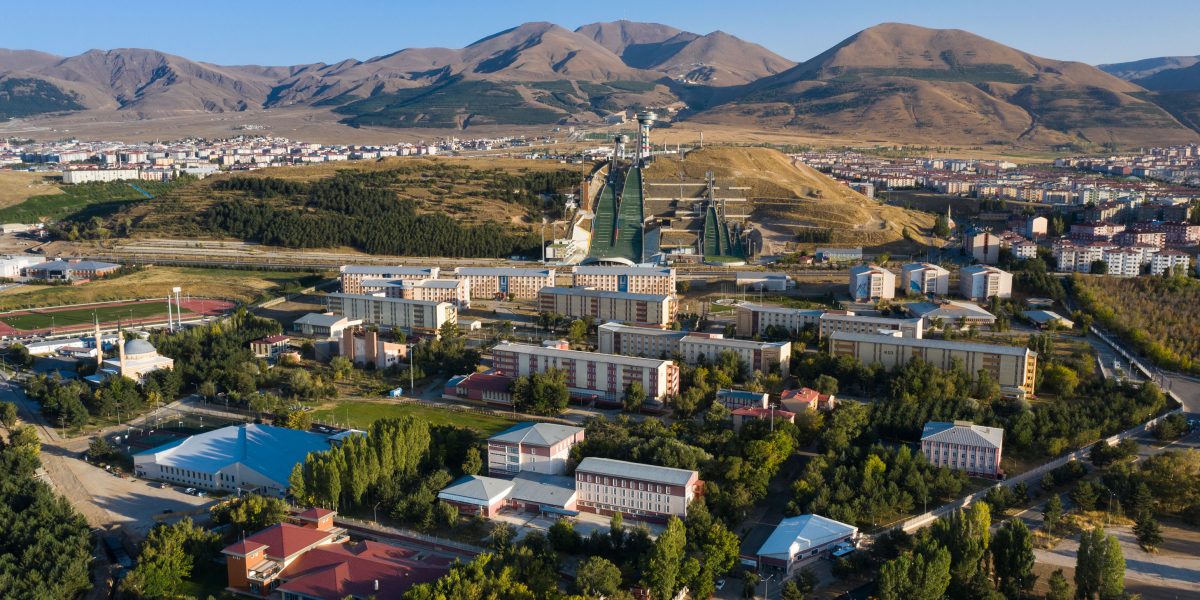
The campus article notes that the university has 33 million m² open space, of which 7 million m² is green area, and 1 million m² is enclosed building area; this large green space allocation provides a substantial area for biodiversity, green corridors, pedestrian/bicycle zones, and ecosystem-friendly ground cover. Atatürk Üniversitesi
-
The Faculty of Communication (“İletişim Fakültesi”) received a “Yeşil Kampüs” award in 2024 for its work in environmental landscaping and campus-green area management. This demonstrates that local biodiversity (via green space enhancement and landscaping) is part of the building-and-site development process at Atatürk University. birimler.atauni.edu.tr
-
The master plan research on Atatürk University’s site included analyses of “yerleşim, altyapı ve peyzaj planlarının hazırlanması ve uygulanması” (settlement, infrastructure and landscape planning) and identified issues of ecological and economic conditions in campus development. DergiPark
These examples indicate that Atatürk University includes biodiversity-centric landscaping and site planning within its building and infrastructure development processes.
4. Governance, monitoring and institutional ownership of biodiversity-sensitive development
Atatürk University’s institutional governance models new building construction and infrastructure by integrating sustainability criteria and biodiversity into the planning process. The Sustainable Campus Master Plan serves as the reference for all development activities. New building approvals and infrastructure works are aligned with this plan and subject to monitoring by the Strategy Development Department (Strateji Geliştirme) and other units. The investment report (2024) shows that the university monitors infrastructure investments, including those related to biodiversity centre sites, thereby institutionalising biodiversity into development oversight. birimler.atauni.edu.tr
The university’s recognition by UI GreenMetric in 2024 (placing it among top green universities globally) further validates that the institution’s building and infrastructure processes are aligned with biodiversity and sustainable-development criteria. Atatürk Üniversitesi
By maintaining a formal master plan, institutional oversight, large green-space proportions, certified green-campus awards, and dedicated biodiversity researches/centre as part of infrastructure development, Atatürk University demonstrates that biodiversity is included as a body in planning and development processes.