
Atatürk University has developed a comprehensive and inclusive program to address student food insecurity and hunger, ensuring that every member of its academic community can access healthy, affordable, and sustainable nutrition. The university recognizes that proper nutrition is essential for academic success, physical health, and social equity, and therefore treats its dining services as a strategic component of its social responsibility mission.
Dining Hall Infrastructure and Capacity
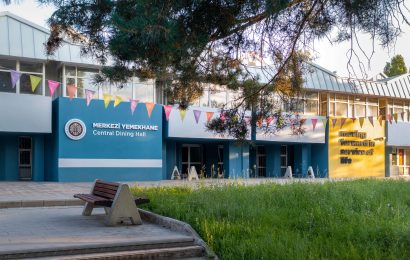
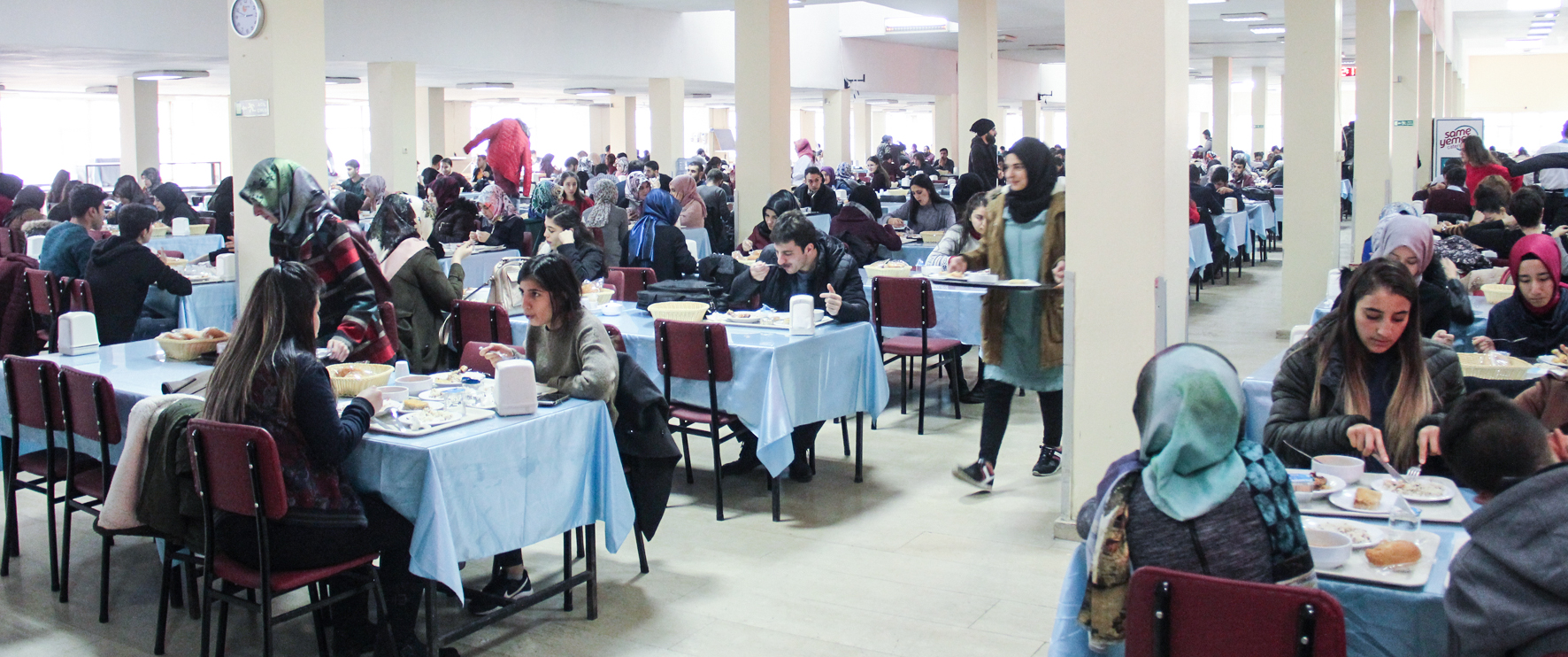
According to the 2023 Atatürk University Activity Report, the institution operates four central student dining halls with a combined capacity of 7,000 students, in addition to four staff dining halls with a capacity of 1,500 staff members (Atatürk University 2023 Activity Report).
The official Campus Life – Dining Halls and Cafes page confirms that the system provides around 10,000 meals per day across Erzurum’s central campus and affiliated facilities (Atatürk University Dining Halls).
 Pricing and Subsidies
Meals are heavily subsidized to ensure equal access for all students, particularly those from disadvantaged backgrounds.
-
For the 2024–2025 academic year, the student contribution is 30 TL per meal.
-
Based on the current exchange rate (1 USD ≈ 41.42 TL, Wise Currency Converter), this equals approximately 0.72 USD per meal.
-
The remaining cost is covered by the University Health, Culture and Sports Directorate budget and internal subsidy mechanisms.
Inclusive and Diverse Menu Options
All university dining halls offer vegetarian, vegan, gluten-free, and halal-certified options, in addition to the standard daily menu. Nutritionists and food engineers oversee the entire process—from food sourcing to preparation and service—ensuring that all meals are healthy, safe, and balanced.
Farm-to-Table and Sustainable Nutrition
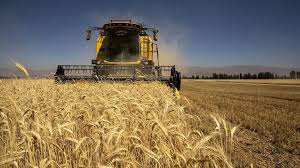
Atatürk University integrates its Faculty of Agriculture and campus farms into the food system. Fresh vegetables, fruits, and herbs grown on university land are incorporated directly into dining hall menus, lowering costs and improving quality. Surplus produce is sold at reduced prices to students and staff through on-campus markets, fostering sustainability and healthy living.
Student Support and Monitoring
-
Meal vouchers and bursaries are provided to low-income students, covering at least one free or highly subsidized meal per day.
-
Student feedback systems (online surveys and suggestion boxes) are used to continuously improve menus and services.
-
Annual food service reports are published, presenting data on subsidized meals, voucher distribution, and program outcomes.