Atatürk University places great importance on the well-being of its academic and administrative staff by ensuring access to healthy, affordable, and balanced meals on campus. The university’s meal services are designed not only to provide nutritional support but also to create a collaborative and motivating work environment.
Comprehensive Meal Services for Staff
-
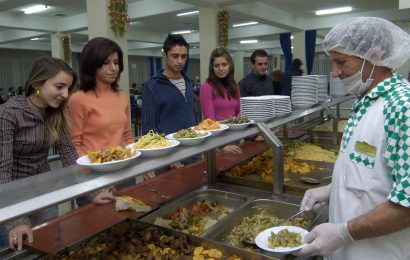
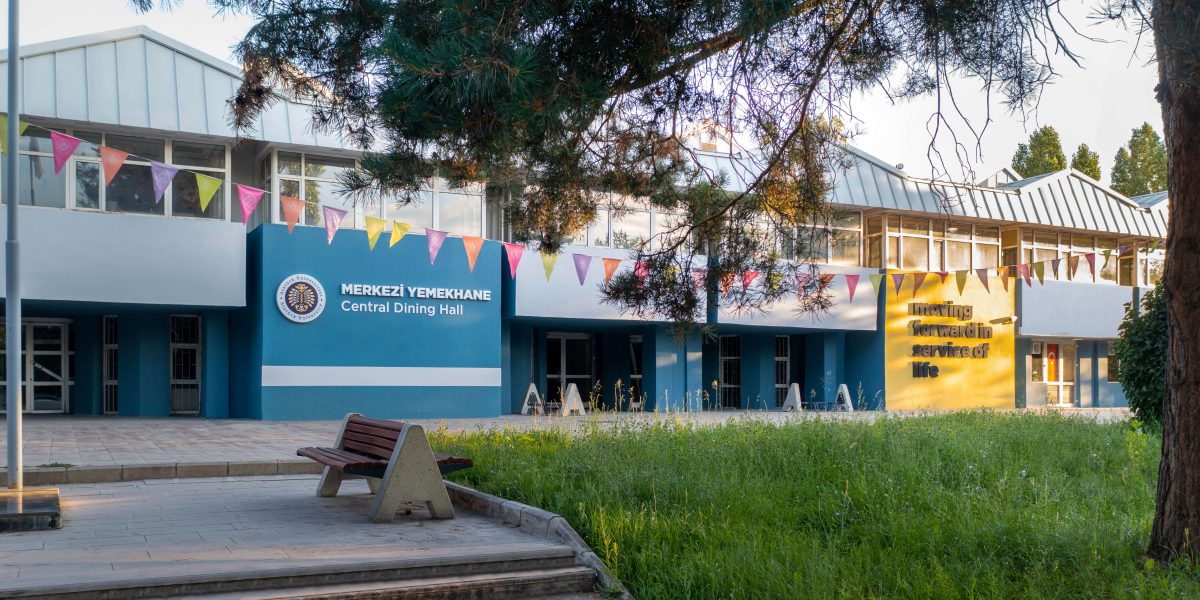
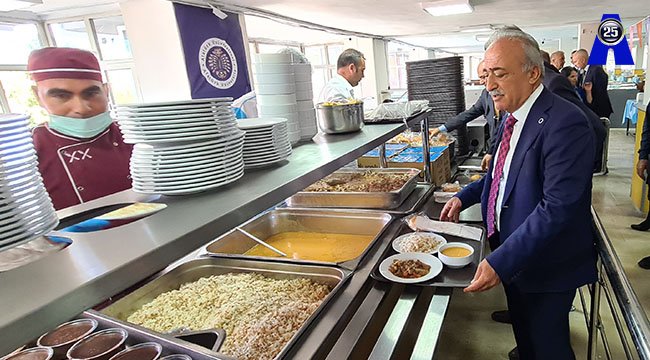
Staff members can dine in two designated dining halls, with service offered between 12:00 and 13:00 to align with work schedules.
-
Each meal consists of four main dishes and access to a salad bar, ensuring variety and nutritional balance.
-
Menus are prepared to accommodate diverse dietary needs, including vegetarian, vegan, and gluten-free options, so that all staff members can find meals suitable to their preferences and health conditions.
-
Meals are prepared daily using fresh, seasonal, and locally sourced ingredients, some of which are supplied from the university’s own agricultural facilities.
Nutritional Oversight & Hygiene Standards
-
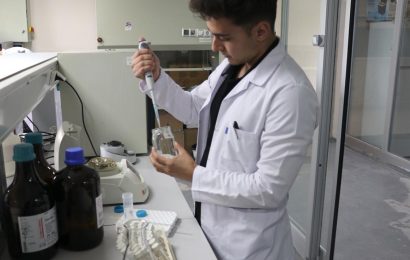
A team of dietitians and food engineers monitors both the caloric content and hygiene of meals, ensuring compliance with nutritional guidelines and food safety standards.
-
Regular inspections and laboratory checks are carried out to safeguard quality.
-
Feedback from staff is evaluated periodically to adjust menus, improve variety, and meet evolving needs.
Affordability & Transparency
-
Staff meals are subsidized and priced at accessible rates, significantly below local market equivalents.
-
The latest official staff meal price list (2025) is publicly available, ensuring transparency: Atatürk University Staff Meal Price List.
Promoting Social Interaction & Motivation
-
Beyond nutrition, dining halls serve as social spaces, where staff can come together, exchange ideas, and strengthen collegial ties.
-
Shared meals contribute to teamwork, motivation, and a sense of belonging within the university community.
Sustainability & Local Engagement
-
By sourcing ingredients from local producers and seasonal supply chains, the university promotes sustainability and supports regional agriculture.
-
This approach not only reduces costs but also lowers the environmental footprint of campus dining services.