CURRENT COLLABORATIONS WITH HEALTH INSTITUTIONS
Atatürk University | SDG 3 – Good Health and Well-being | Reporting Year: 2025
1. University Hospital – Regional Healthcare and Clinical Collaboration
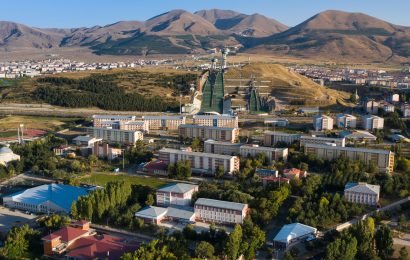
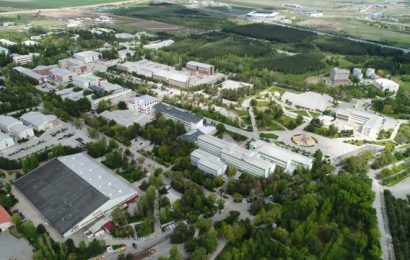
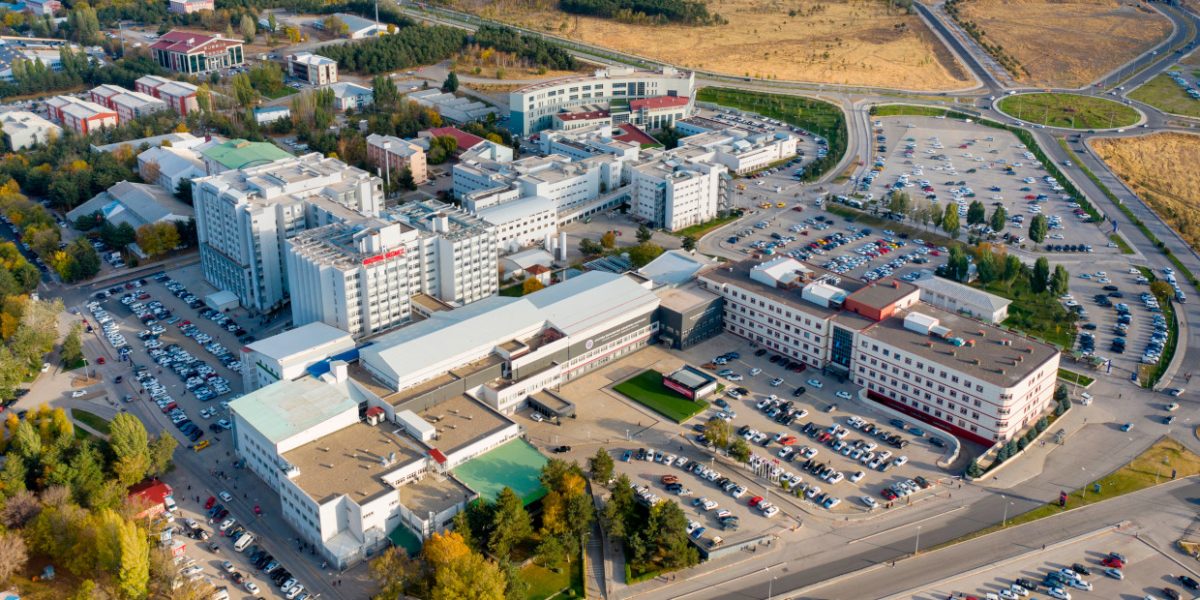
Atatürk University plays a significant role in regional healthcare through its Research Hospital, Faculty of Medicine, Faculty of Dentistry and health sciences programmes. These institutions connect clinical services, medical education, scientific research and cooperation with public and private healthcare organisations.
The Atatürk University Research Hospital provides specialised healthcare services for patients from Erzurum and neighbouring provinces. Its clinical infrastructure supports medical diagnosis, treatment, specialist care and advanced clinical practice.
The integration of healthcare delivery and university education enables medical students, residents and healthcare professionals to develop practical competencies in clinical environments.
The University’s healthcare activities contribute to:
- Access to specialised medical services.
- Clinical education and professional training.
- Research and innovation in healthcare.
- Cooperation with regional healthcare institutions.
- Improved healthcare capacity in Eastern Anatolia.
Official resource: Atatürk University Research Hospital
2. Collaboration with the Erzurum Provincial Health Directorate
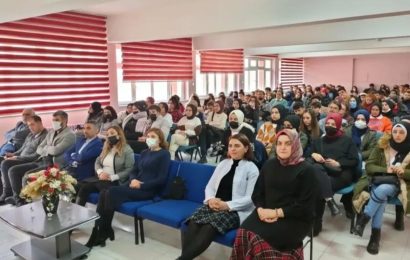
Atatürk University maintains institutional cooperation with the Erzurum Provincial Health Directorate, supporting healthcare education, clinical practice and professional workforce development.
Formal protocols provide a framework for students to undertake professional practice in healthcare facilities affiliated with the Provincial Health Directorate.
Professional Practice and Clinical Education
The cooperation framework covers professional practice for students from relevant health sciences programmes, including:
- Midwifery.
- Nutrition and Dietetics.
- Child Development.
- Social Work.
- Other relevant health-related programmes under applicable institutional arrangements.
These placements connect university education with the practical requirements of healthcare delivery.
Students gain experience in professional healthcare environments, while the collaboration strengthens links between academic training and regional health services.
Benefits for Regional Healthcare
The partnership supports:
- Practical workforce preparation.
- Cooperation between academic and clinical professionals.
- Experience in hospital and community healthcare settings.
- Integration of theoretical education with professional practice.
- Development of healthcare competencies relevant to local needs.
The University’s formal protocol framework provides an institutional basis for continued cooperation with public health facilities.
Official resources:
Erzurum Provincial Health Directorate
Professional Practice Protocol with the Erzurum Provincial Health Directorate
3. Faculty of Dentistry – Clinical Services and Specialised Patient Care
Atatürk University’s Faculty of Dentistry combines dental education, clinical services and research.
Its clinics provide dental care across relevant areas of dentistry, while students receive clinical training under academic supervision.
Clinical Infrastructure Development in 2025
During 2025, the Faculty of Dentistry strengthened its clinical facilities through the establishment of an Emergency Medical Intervention Room.
The faculty also introduced the Orthodontic Psychological Evaluation, Counselling and Support Clinic (OPDU) through a TÜBİTAK-supported initiative.
These developments demonstrate the University’s continued investment in clinical capacity and integrated approaches to patient care.
Collaboration and Patient Wellbeing
The Faculty’s clinical infrastructure supports cooperation among dental professionals, academic staff and relevant healthcare specialists.
Its services contribute to:
- Preventive and restorative dental care.
- Clinical education.
- Patient assessment and treatment.
- Specialised dental services.
- Integration of psychological support into appropriate orthodontic care.
The University’s dentistry activities strengthen the connection between higher education and regional healthcare provision.
Official resource: Atatürk University Faculty of Dentistry
4. Collaboration with the Ministry of Health – Pharmaceuticals, Vaccines and Biotechnology
Establishment of the Institute of Pharmaceuticals, Vaccines and Biotechnology
One of the most important healthcare-related institutional developments in 2025 was the establishment of Atatürk University’s Institute of Pharmaceuticals, Vaccines and Biotechnology.
The institute was formally established through a Presidential decision published in the Official Gazette on 16 May 2025, with support from the Council of Higher Education and the Ministry of Health.
The initiative strengthens cooperation between higher education, health policy, pharmaceutical research and biotechnology development.
Research and Development Priorities
The institute focuses on scientific activities relevant to:
- Pharmaceutical development.
- Vaccine technologies.
- Biotechnology.
- Active pharmaceutical ingredients.
- Preclinical and clinical research.
- Advanced laboratory research.
- National and international research partnerships.
Institutional Collaboration
The institute provides a platform for connecting university researchers with public institutions, research organisations and the pharmaceutical industry.
Its objectives include developing domestic scientific capacity, strengthening pharmaceutical research and supporting the development of qualified human resources in health-related technologies.
The institute’s establishment represents a significant step in Atatürk University’s cooperation with national health institutions.
Official resources:
Atatürk University – Institute of Pharmaceuticals, Vaccines and Biotechnology
Atatürk University – May 2025 Institutional Announcement
5. Pharmaceutical Industry Collaboration – EVYAP and Research Infrastructure
Strategic Cooperation for Pharmaceutical Raw Material Development
During 2025, Atatürk University advanced discussions with EVYAP, a major Turkish industrial company, concerning the planned Pharmaceutical Raw Material Production Facility.
The discussions involved technical requirements, production infrastructure, site and construction planning, regulatory considerations and scientific support.
Connecting Academic Research with Industry
The planned facility is intended to connect the University’s scientific research capabilities with industrial production.
Its development aims to support research and technology transfer related to active pharmaceutical ingredients and strengthen domestic pharmaceutical production capacity.
Benefits for Healthcare Innovation
The university–industry collaboration provides a framework for:
- Pharmaceutical research and development.
- Technology transfer.
- Industrial research cooperation.
- Development of scientific and technical expertise.
- Strengthening domestic pharmaceutical capabilities.
- Connecting academic research with potential manufacturing applications.
The initiative complements the work of the Institute of Pharmaceuticals, Vaccines and Biotechnology and reinforces cooperation between the University and the pharmaceutical sector.
Official resource: Atatürk University – EVYAP Discussions on the Pharmaceutical Raw Material Production Facility
6. Research Collaboration Through DAYTAM
The Eastern Anatolia High Technology Application and Research Centre (DAYTAM) provides advanced laboratory infrastructure that supports scientific research and technological development.
Its facilities contribute to research activities relevant to biotechnology, molecular sciences, chemical analysis and other interdisciplinary fields.
Collaboration with Health and Life Sciences Organisations
DAYTAM’s research infrastructure provides a basis for cooperation between university researchers and organisations working in pharmaceutical development, health technologies and life sciences.
Such collaborations can support the development of research projects, the use of advanced analytical methods and the translation of scientific findings into practical applications.
Research and Innovation
The University’s laboratory infrastructure strengthens its capacity to undertake interdisciplinary research connecting:
- Molecular biology.
- Biotechnology.
- Pharmaceutical sciences.
- Health-related analytical research.
- Advanced scientific instrumentation.
- Technology development.
These facilities complement the University’s pharmaceutical and biotechnology research ecosystem.
Official resource: DAYTAM – Eastern Anatolia High Technology Application and Research Centre
7. Collaboration with the Turkish Red Crescent – Blood Donation and Community Health
Atatürk University supports community health and social responsibility through activities involving blood donation awareness and voluntary participation.
Blood donation is an important element of healthcare resilience, helping maintain blood supplies for medical treatment, emergency care and surgical procedures.
University–Community Engagement
University-supported social responsibility activities have included blood donation awareness, educational outreach and engagement with Turkish Red Crescent specialists.
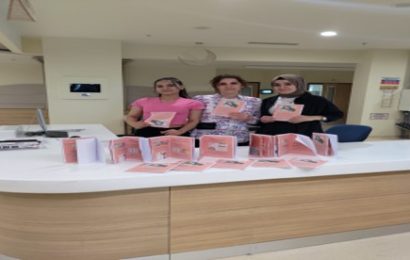
A documented university-supported project, “A Drop of Kindness, a Lifetime of Happiness”, focuses on increasing awareness of blood and stem cell donation among university students.
Its planned activities include:
- Informational materials on blood and stem cell donation.
- Educational sessions with Turkish Red Crescent specialists.
- Campus blood donation activities.
- Encouragement of voluntary participation.
- Awareness of the importance of maintaining blood supplies.
Contribution to Community Health
These activities support cooperation between the University, students, healthcare-related organisations and the wider community.
They promote health awareness, voluntary engagement and community support for healthcare services.
Official evidence: Atatürk University – “A Drop of Kindness, a Lifetime of Happiness” Community Project
8. Medicinal and Aromatic Plants – Interdisciplinary Health Research
Atatürk University also supports research at the intersection of plant sciences, biotechnology and health-related applications.
Cooperation involving medicinal and aromatic plants creates opportunities for research into bioactive compounds and their potential applications.
Research Priorities
Relevant areas of research include:
- Plant-derived bioactive compounds.
- Natural product research.
- Biotechnology.
- Pharmaceutical research.
- Laboratory analysis.
- Preclinical research.
- Interdisciplinary scientific cooperation.
Connecting Research Institutions
The University’s research infrastructure enables collaboration among researchers in pharmaceutical sciences, biotechnology, plant sciences and related disciplines.
Such cooperation supports scientific investigation of plant-based products and contributes to the broader research ecosystem in health and life sciences.
These activities complement the University’s pharmaceutical research initiatives and its development of specialised research capacity.
9. Health Communication and Public Awareness
Atatürk University recognises the importance of communication, education and public engagement in improving health awareness.
Its academic activities in health communication bring together perspectives from communication studies, healthcare, research and public policy.
Health Communication Symposium
The University previously hosted the 3rd International Health Communication Symposium, which brought together academics, healthcare professionals, media specialists and policymakers.
The symposium addressed the role of communication in public health awareness and health-related behaviour.
Continuing Institutional Contribution
The University’s health communication expertise complements its clinical services and health sciences education by supporting:
- Public health communication.
- Health literacy.
- Scientific communication.
- Awareness of health-related issues.
- Interdisciplinary exchange between communication and healthcare professionals.
This academic foundation contributes to the University’s broader engagement with healthcare institutions and public health priorities.
10. Summary of Current Healthcare Collaborations and 2025 Developments
| Institution or Initiative | Collaboration Area | Relevance |
|---|---|---|
| Atatürk University Research Hospital | Clinical services and medical education | Regional healthcare capacity |
| Erzurum Provincial Health Directorate | Student placements and professional practice | Healthcare workforce development |
| Faculty of Dentistry | Clinical services and specialised patient care | Oral health and clinical training |
| Institute of Pharmaceuticals, Vaccines and Biotechnology | Pharmaceutical and biotechnology research | National health research capacity |
| EVYAP | Planned pharmaceutical production facility | University–industry research cooperation |
| DAYTAM | Advanced laboratory and research infrastructure | Health and life sciences research |
| Turkish Red Crescent | Blood donation awareness and community engagement | Community health support |
| Medicinal and aromatic plant research | Bioactive compounds and interdisciplinary research | Pharmaceutical and health-related innovation |
| Health communication activities | Health literacy and public awareness | Community engagement and public health |
Conclusion
Atatürk University maintains a broad network of healthcare-related relationships connecting clinical services, public health institutions, research organisations and industry.
Its cooperation with the Erzurum Provincial Health Directorate supports professional practice and clinical education. The Faculty of Dentistry contributes through clinical services and the development of specialised patient care facilities.
A major development in 2025 was the establishment of the Institute of Pharmaceuticals, Vaccines and Biotechnology, formally approved on 16 May 2025 with support from national health and higher education institutions. The University also advanced discussions with EVYAP concerning the planned Pharmaceutical Raw Material Production Facility.
DAYTAM supports advanced research infrastructure, while community health activities involving blood donation awareness demonstrate the University’s engagement beyond clinical care.
Together, these collaborations connect healthcare delivery, professional education, scientific research, pharmaceutical innovation and community engagement.
Atatürk University’s institutional activities contribute to SDG 3 – Good Health and Well-being by strengthening healthcare education, supporting research partnerships and developing cooperation with health institutions and related organisations.