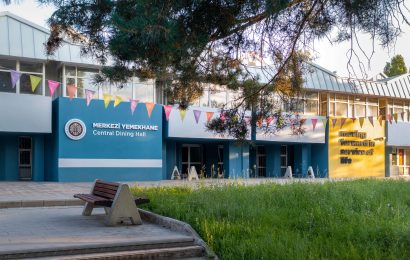
Atatürk University recognizes that access to healthy, affordable food is a cornerstone of student well-being, academic success, and equity. Accordingly, the university has built a comprehensive system of subsidized, nutritious, and inclusive meal services available to all students, staff, and campus visitors. The approach is rooted in institutional policy, sustainable sourcing, menu diversity, financial support, and continuous evaluation.
Institutional Commitment & Governance
-
The Health, Culture and Sports Directorate / Nutrition Services Branch (Beslenme Hizmetleri Şube Müdürlüğü) is responsible for planning, operating, and governing food services, ensuring that health, affordability, and quality standards are consistently met.
-
Food service contracts (internal or outsourced) include clauses on nutritional standards, pricing caps, and periodic review, ensuring that affordability and health criteria remain central.
-
The university’s Strategic Plan (2024-2028) embeds student welfare and equitable access as core values, and dining services are listed among key strategic service lines.
Pricing, Subsidy & Affordability
-
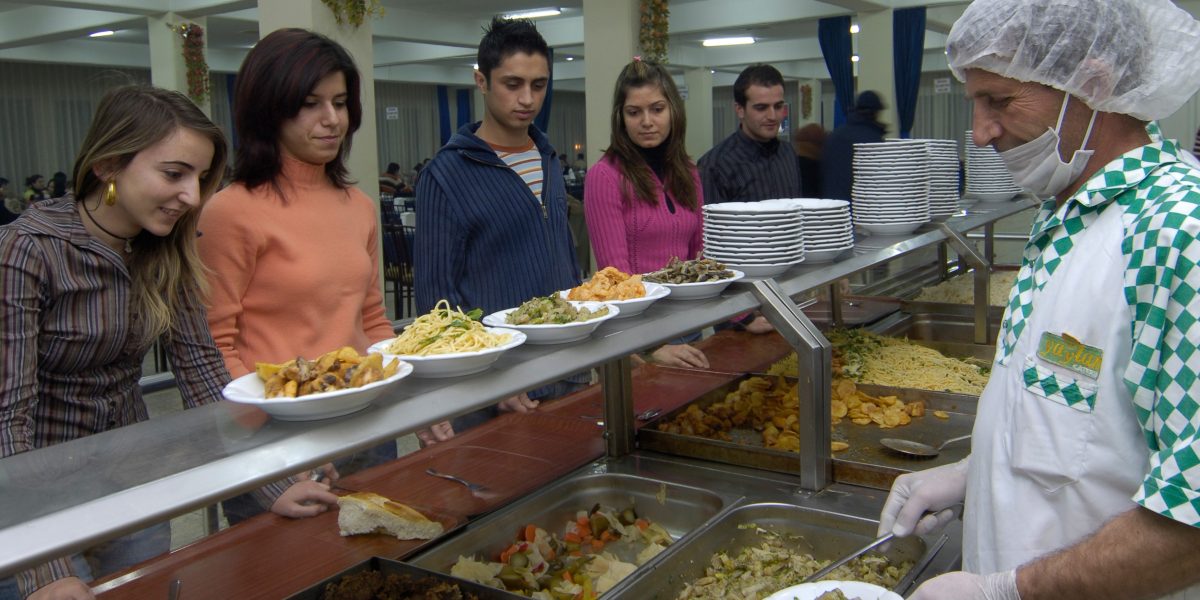
University meal pricing is designed to be significantly subsidized for students, so that daily meals (lunch and dinner) remain affordable even for low-income students.
-
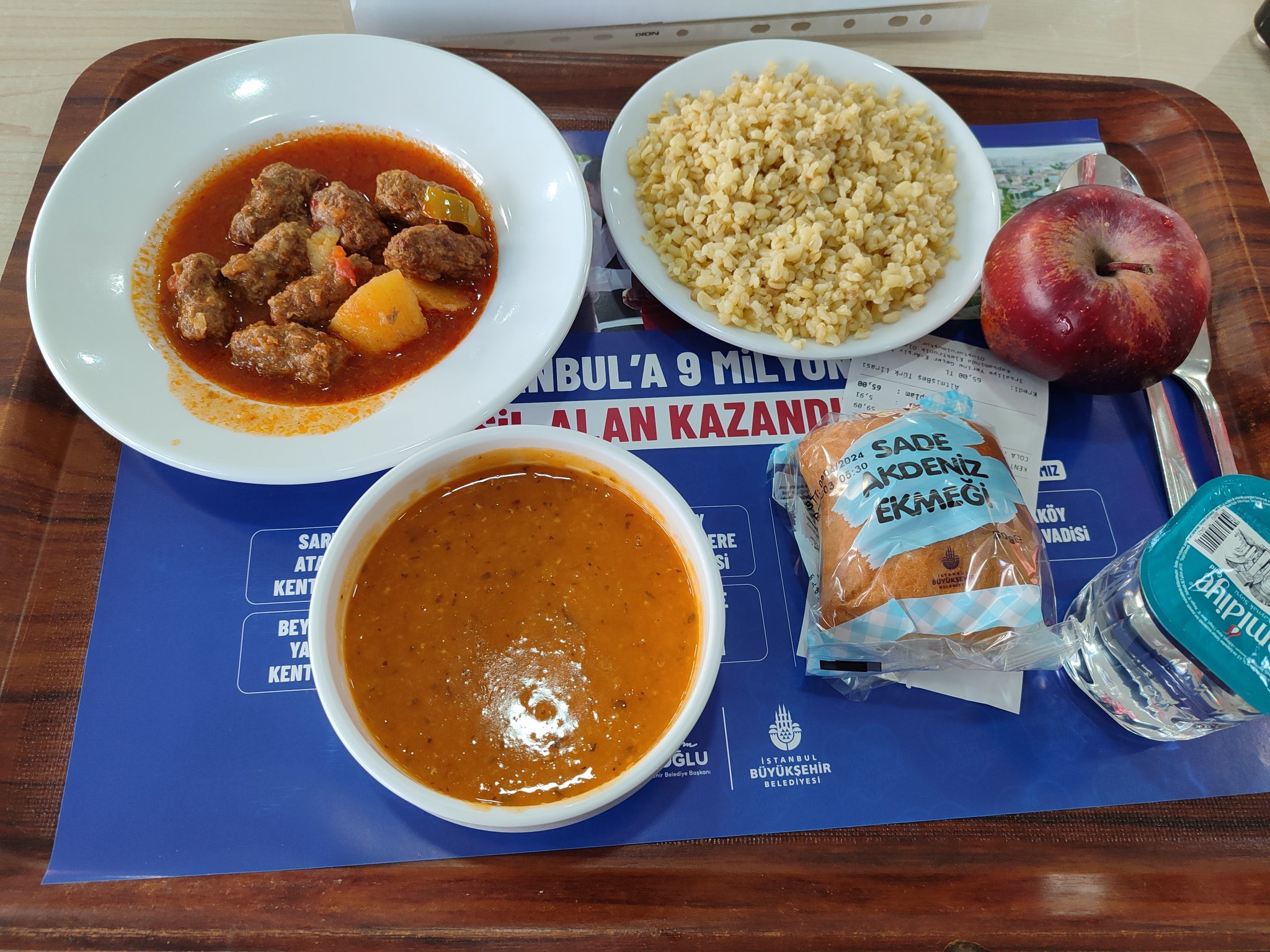
For example, student meals are priced at 30 TL per serving (≈ USD 0.72 at ~41.42 TL per USD) for the 2024–2025 academic year—well below the full cost of production.
-
Students in financial need may receive meal vouchers or free meal allocations (one meal per day) via the Social Aid Commission, ensuring no student is left unable to access meals.
-
Staff and faculty pay slightly higher rates, but still heavily subsidized compared to local market prices.
Healthy & Nutritious Menu Design
-
The menus are constructed with guidance from nutrition professionals and food engineers to meet macro- and micronutrient goals (balanced proportions of proteins, carbohydrates, fats, vitamins, minerals).
-
Every dining hall and cafeteria offers vegetarian, vegan, gluten-free, and halal options, ensuring that dietary preferences, religious considerations, or health conditions do not restrict access to healthy meals.
-
Seasonal and local produce from the university’s own farms and greenhouse facilities is deeply integrated into menus, enhancing freshness and lowering costs.
-
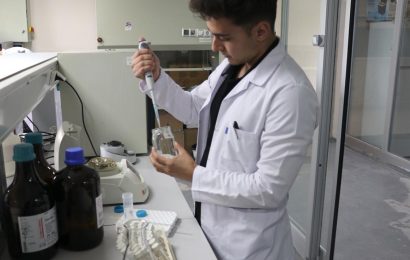
The university maintains a food analysis laboratory within the Faculty of Agriculture / Food Engineering to monitor nutritional content, food safety, and quality assurance across all menu items.
Accessibility & Convenience
-
Dining halls operate during two key daily meal periods (Lunch: 11:00–14:00; Dinner: 16:00–18:00), ensuring that students with varied schedules can access meals.
-
Satellite cafeterias and cafés are distributed across campus zones and departments, bringing healthy options close to lecture halls, laboratories, dormitories, and libraries.
-
Cafés and kiosks offer healthy snack alternatives (e.g. fruit, yogurt, nuts, whole-grain sandwiches) alongside regular fare, making nutritious food available outside main meal times.
Quality, Safety & Transparency
-
All food service outlets undergo regular health inspections, internal audits, and performance reviews to maintain hygiene, safety, and nutritional compliance.
-
The food services system publishes annual reports on meal counts, menu breakdowns, cost recovery, uptake of subsidized meals, and feedback from students and staff.
-
Feedback mechanisms (digital surveys, suggestion boxes) inform menu revisions, portion size adjustments, and introduction of new healthy items each semester.
Complementary Support Programs
-
In times of acute financial hardship or emergencies, the university maintains an “Meal Fund”, whereby eligible students can access additional free meals beyond the basic voucher allocation.
-
Food surplus management: safe, edible leftovers or portions may be redistributed (where permissible under food safety regulations) to student groups or campus food assistance points.
-
Nutrition education: regular workshops, awareness days, and campaigns promote healthy eating habits, portion control, reduction of salt/sugar intake, and plant-forward diets.
-
Water access is universally provided through filtered water dispensers in every building, ensuring hydration is always available at no cost.
Sustainability & Equity
-
The pricing model, sustainable sourcing, and menu design emphasize equity: no student is forced to compromise nutrition due to cost.
-
Institutional subsidies are financed via cross-subsidies, university internal budgets, alumni grants, and partnerships with philanthropic organizations.