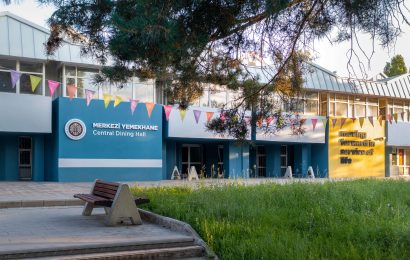
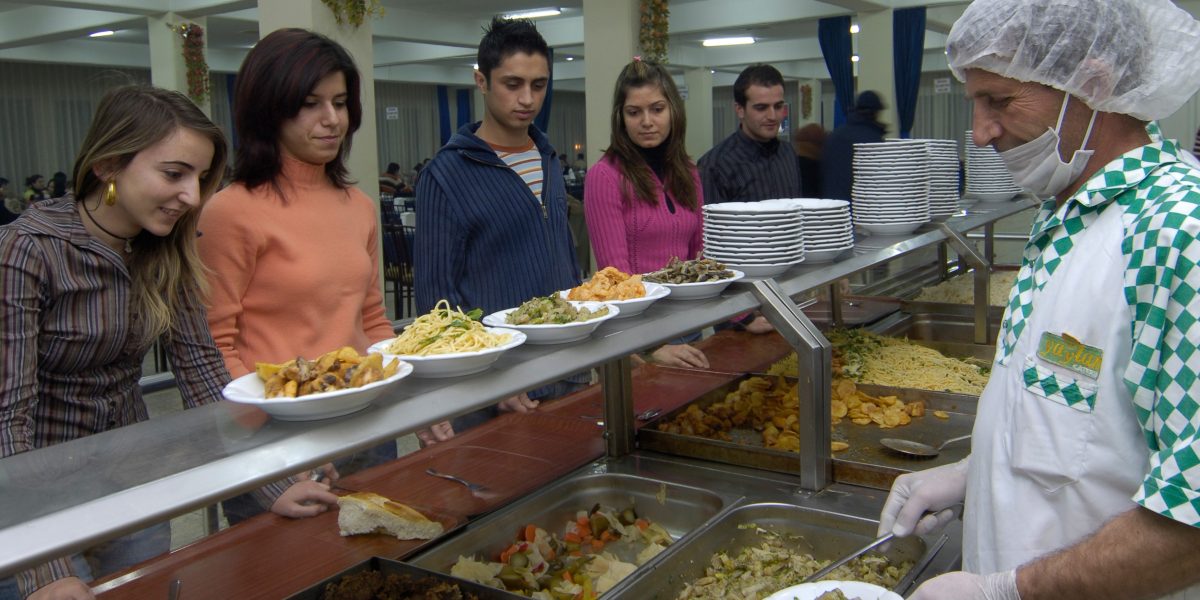
Atatürk University has established a set of structured interventions to prevent and alleviate student hunger, recognizing that access to affordable, safe, and nutritious food is a prerequisite for academic success and well-being. These interventions combine subsidized meals, sustainable food sourcing, innovative recycling-for-meals programs, and institutional governance under the Health, Culture and Sports Directorate.
Centralized Dining Hall System
-
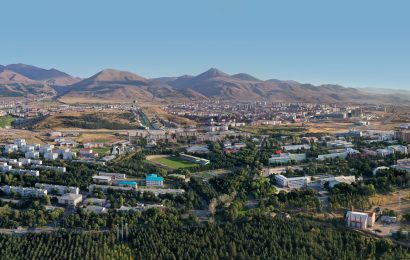
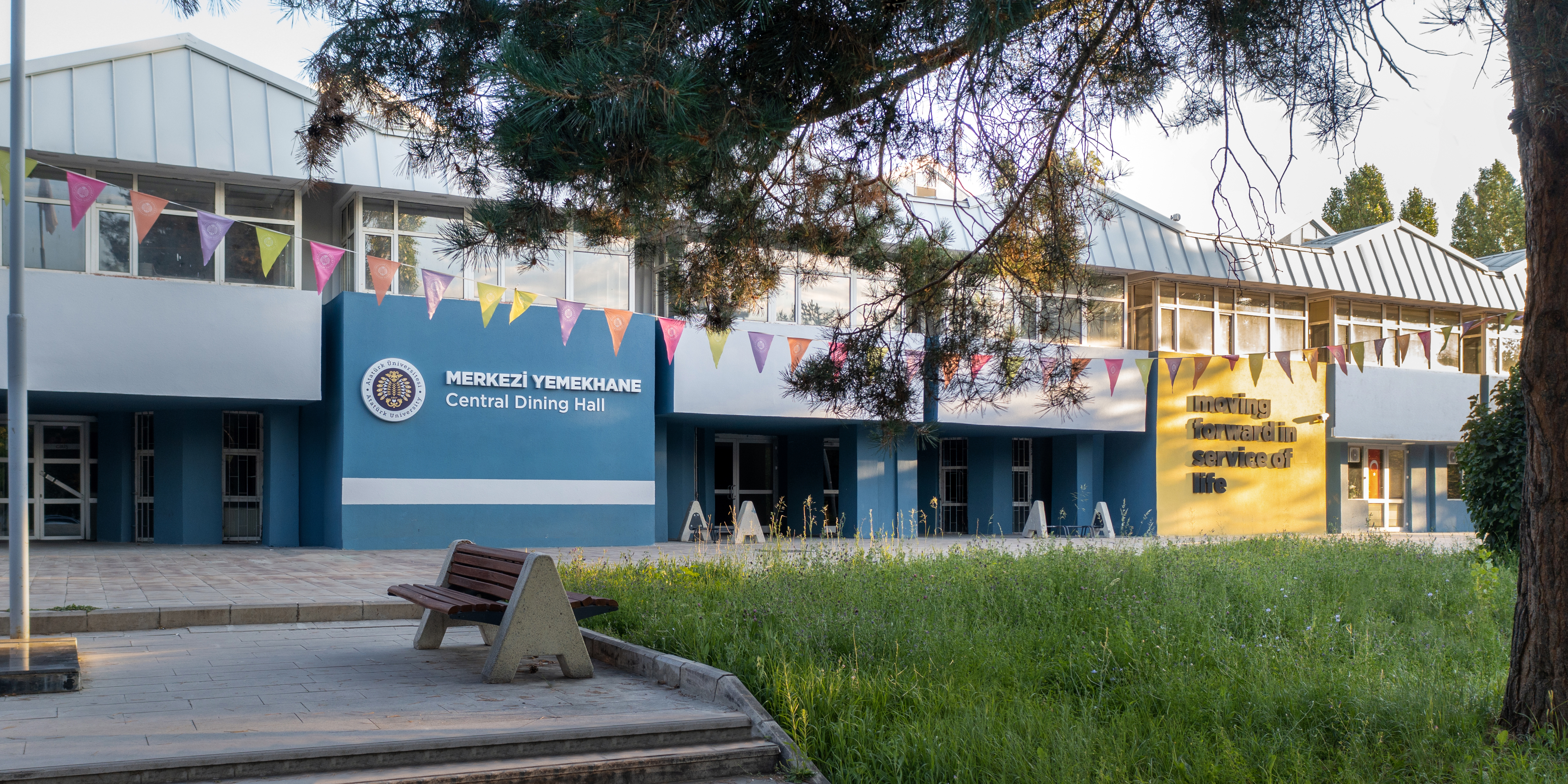
The university operates a network of one central dining hall, eight secondary dining halls, and 40+ canteens, in addition to restaurants and cafés, ensuring broad coverage across campus (Atatürk University – Campus Dining Services).
-
Dining halls provide two full meals per day:
-
Lunch: 11:00 – 14:00
-
Dinner: 16:00 – 18:00
-
-
Each meal is priced at 30 TL, which equals approximately 0.72 USD (based on the September 2025 exchange rate of 1 USD ≈ 41.42 TL, Wise Currency Converter).
-
This pricing covers less than one-third of the actual cost, with the remainder subsidized by the University Health, Culture and Sports Directorate budget, ensuring affordability for all students.
Subsidy and Voucher Programs
Students from low-income families are eligible for meal bursaries or vouchers, which guarantee one free or highly subsidized meal per day. Applications are evaluated by the university’s Social Aid Commission, ensuring that the most disadvantaged students benefit first.
Sustainability and Farm Integration
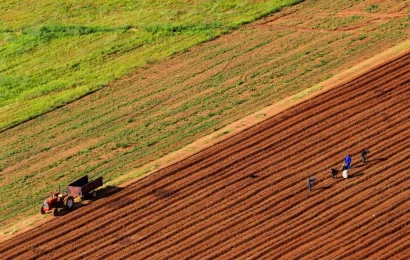
The university incorporates produce from its Faculty of Agriculture farms and greenhouses into cafeteria menus. Surplus milk, bread, and vegetables are sold at cost through campus distribution centers, further improving affordability and access to healthy food.
Innovative “Waste-to-Meals” Recycling Scheme
Through a student-developed system at ATA Teknokent, recyclable materials (plastic, glass, metal) deposited by students are converted into credits that can be redeemed for cafeteria meals (AA News). This not only encourages environmental awareness but also expands food access for students in need.
Hygiene, Health, and Food Quality
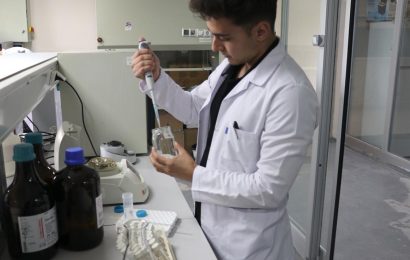
All dining halls operate under strict hygiene controls and are regularly inspected by food engineers, dietitians, and veterinarians. Menus include vegetarian, vegan, gluten-free, and halal-certified options, ensuring inclusivity for students with dietary restrictions.
Free Drinking Water Access
The university has installed free drinking water dispensers in all academic and administrative buildings, providing safe water access throughout the day as part of its social responsibility framework.