Institutional Commitment
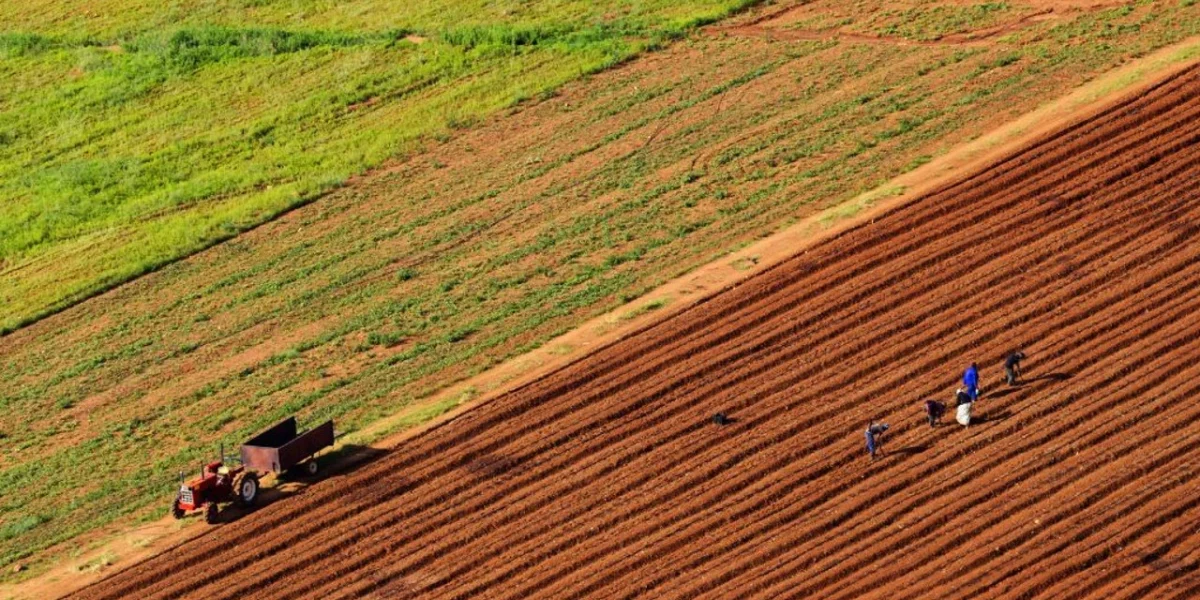
Atatürk University has adopted a local and sustainable procurement policy to strengthen food security, support regional farmers, and reduce environmental impact. By prioritizing local producers in tenders and supply agreements, the university ensures that its large-scale food demand contributes directly to the development of Erzurum and Eastern Anatolia.
Procurement Policy and Process
-
Supplier selection considers not only price but also locality, sustainability, food safety, and environmental responsibility.
-
All tenders are announced through the BAPSİS Procurement Portal, enabling transparency and giving regional farmers and cooperatives equal access to university contracts.
-
Long-term agreements provide local producers with stable demand and reliable income, encouraging them to adopt sustainable farming practices.
Local Food Supply for Campus Dining
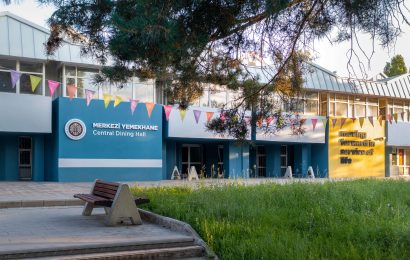
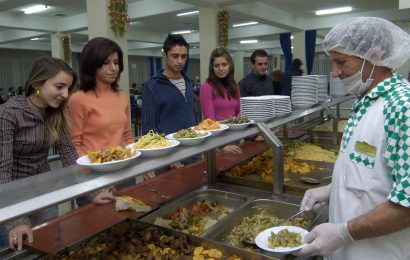
Thousands of meals are served daily in university dining halls under the Health, Culture, and Sports Department. The majority of food products are sourced from local and regional suppliers:
-
Vegetables & Fruits: Potatoes, onions, cabbage, carrots, and apples from Oltu, Pasinler, and Köprüköy farmers.
-
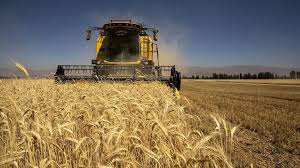
Grains & Bread: Flour and bread from Erzurum-based mills and bakeries.
-
Dairy Products: Milk, cheese, and yogurt from Erzurum cooperatives and dairies, with quality assurance provided by the Food and Livestock Research Center (GHUAM).
-
Meat & Livestock: Red meat and poultry from Erzurum Commodity Exchange–certified producers, ensuring traceability and halal compliance.
-
Oil & Legumes: Sunflower oil, lentils, and beans supplied by Eastern Anatolia cooperatives.
Role of Research Centers
-
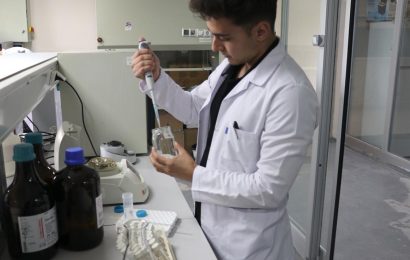
The Food and Livestock Research Center (GHUAM) and DAYTAM laboratories test and certify many of the products delivered by local farmers, ensuring compliance with food safety and sustainability standards.
-
Farmers benefit from access to these facilities, which allow them to integrate their products into university supply chains more effectively.
Regional Benefits
-
Economic: Stable procurement contracts create secure markets for local farmers and cooperatives.
-
Environmental: Reduced transportation needs lower carbon emissions and ensure fresher products.
-
Social: Strengthened university–community ties foster collaboration and rural resilience.
Conclusion
By sourcing vegetables, fruits, grains, dairy, meat, and legumes directly from local and sustainable suppliers, Atatürk University ensures fresh, safe, and affordable food for its community while simultaneously supporting rural livelihoods. These practices align with:
-
SDG 2 – Zero Hunger
-
SDG 12 – Responsible Consumption and Production
-
SDG 8 – Decent Work and Economic Growth