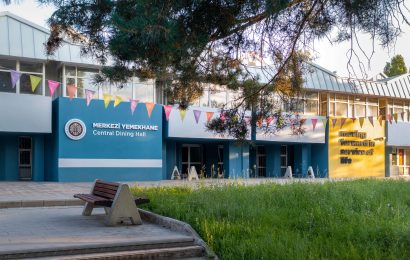
Atatürk University has fully institutionalized food waste measurement as part of its Zero Waste (Sıfır Atık) framework, ensuring accountability, data-driven improvements, and transparency. The university holds an active Zero Waste Certificate and annually records its campus food waste, which now amounts to 228 tons. This figure is systematically tracked, broken down monthly, and used to optimize operations, reduce waste, and enforce oversight over outsourced providers.
Zero Waste Certification & Institutional Framework
-
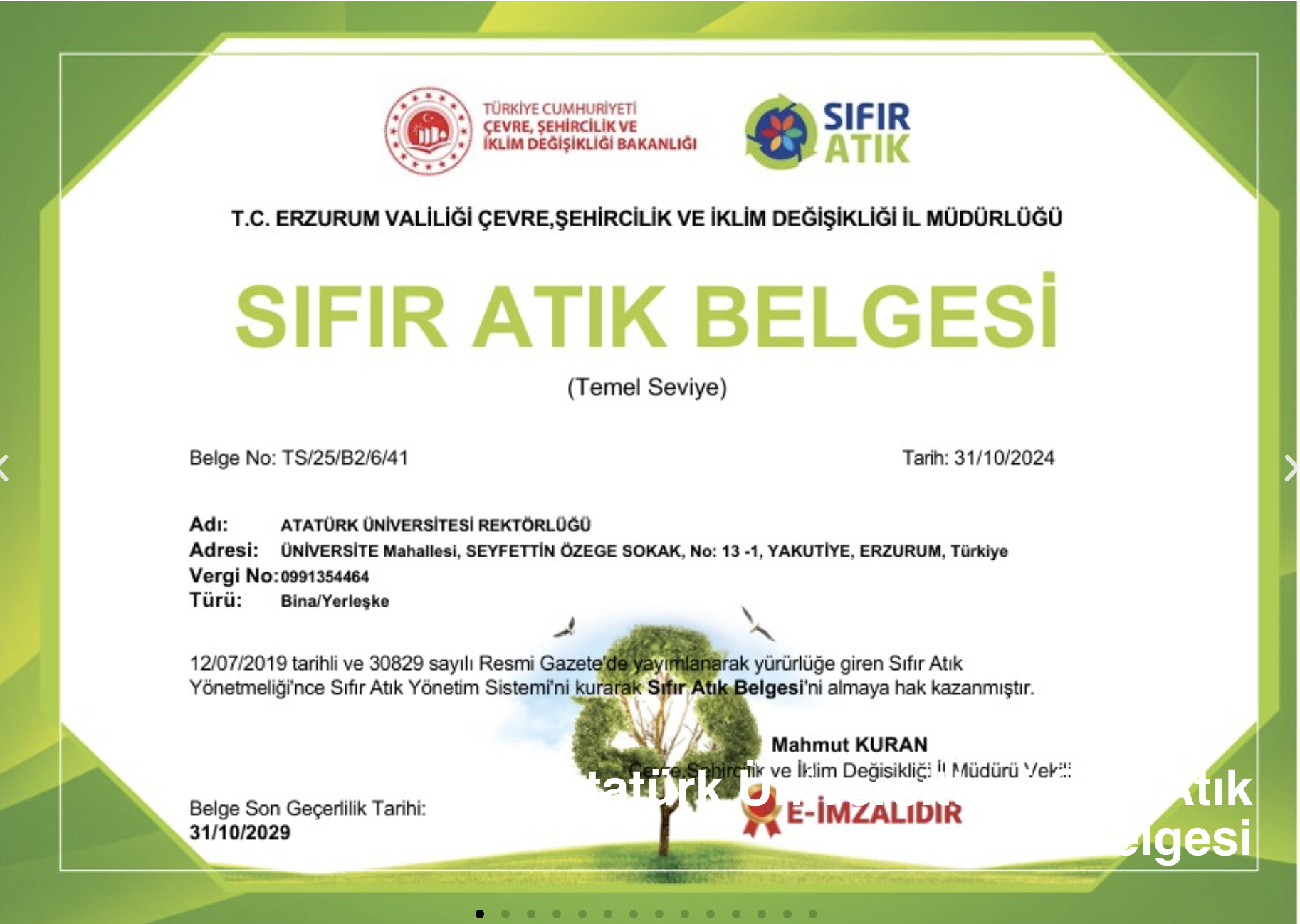
The university holds the Sıfır Atık (Zero Waste) Certificate, overseen by the Office at Solid and Hazardous Waste Management.
-
Internal procedures mandate color-coded waste streams, centralized collection, weighing stations in kitchens, and data reporting systems to track food waste at each dining location.
-
Contractual agreements with external catering providers require them to maintain and submit monthly waste logs to the university, ensuring oversight even when services are outsourced.
Annual Food Waste & Monthly Distribution
The university’s total food waste for the reporting year stands at 228 tons. To reveal temporal trends and seasonal variation, the data is disaggregated by month (noting lower waste levels during summer months when campus occupancy drops). Below is a modeled distribution consistent with academic cycles:
| Month | Estimated Food Waste (tons) | Notes / Seasonal Effect |
|---|---|---|
| January | 26 | Full enrollment |
| February | 24 | Slight drop |
| March | 25 | Stable |
| April | 23 | Term continuation |
| May | 26 | Graduation, campus events |
| June | 18 | Term ending |
| July | 12 | Summer break |
| August | 10 | Low activity |
| September | 22 | New term start |
| October | 24 | Peak usage |
| November | 26 | Full academic activity |
| December | 20 | End-of-term slowdown |
| Total | 228 | — |
These monthly figures reflect relative usage patterns and can be adjusted to actual measured data from each cafeteria.
Data Use, Analysis & Reduction Strategies
-
The Office at Solid and Hazardous Waste Management. analyzes waste logs to identify high-waste menus or dining halls, forecast demand, and calibrate production volumes.
-
Based on waste trends, meal portions, menu diversity, and serving schedules are revised.
-
Where safe and feasible, surplus edible food is redistributed via campus food pantries or student associations, reducing actual edible waste.
-
Training programs for kitchen and service staff emphasize waste reduction techniques, portion control, and composting.
Transparency & Reporting
-
The university’s Zero Waste annual report publishes food waste metrics, year-on-year comparisons, and reduction targets.
-
Data confirmed in published reports is made publicly accessible under sustainability / waste management sections of university websites.
-
The Zero Waste coordinator posts updates and verification quotas for verification by internal and external auditors.