SUSTAINABLE FOOD PURCHASES
Atatürk University | SDG 2 – Zero Hunger | Indicator 2.5.4 | Reporting Year: 2025
1. Institutional Commitment to Sustainable Food Procurement
Atatürk University recognises sustainable food purchasing as an important component of food security, responsible consumption, environmental protection and regional economic development.
The University has established a local and sustainable procurement approach that emphasises the importance of regional agricultural production, food quality, responsible supplier relationships and environmentally conscious purchasing.
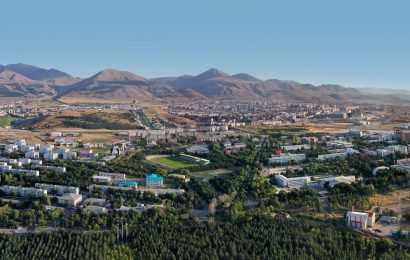
Located in Erzurum, Atatürk University serves a large academic community while maintaining close connections with farmers, agricultural cooperatives, food producers and suppliers across Eastern Anatolia.
Through its institutional food procurement practices, campus dining services and agricultural partnerships, the University seeks to connect its food requirements with broader sustainability objectives.
The University’s approach focuses on:
- Supporting local and regional food producers through procurement opportunities.
- Promoting sustainable agricultural production and responsible sourcing.
- Maintaining food safety and quality standards throughout the supply chain.
- Encouraging transparent procurement procedures and fair supplier participation.
- Strengthening regional food supply chains and agricultural livelihoods.
- Reducing environmental impacts associated with food consumption and waste.
- Promoting affordable and nutritious meals for students and employees.
These commitments are consistent with the University’s Sustainable Campus Master Plan, which explicitly recognises the importance of local and organic products within sustainable food systems.
Official evidence:
Atatürk University – Sustainable Campus Master Plan
Atatürk University – Department of Health, Culture and Sports
2. Sustainable Food Procurement Policy and Institutional Framework
Local and Sustainable Purchasing Principles
Atatürk University’s sustainable food procurement framework connects institutional purchasing with regional agricultural development and environmental responsibility.
Its sustainable campus strategy identifies local and organic food products as important components of responsible food consumption.
The University’s food procurement approach considers several interconnected priorities.
Local and Regional Sourcing
Supporting food supply relationships within Erzurum and Eastern Anatolia helps connect institutional demand with regional agricultural production.
Food Quality and Safety
Food purchases are integrated with quality assurance, hygienic handling and appropriate storage requirements.
Environmental Responsibility
Sustainable purchasing encourages resource efficiency, responsible consumption and the reduction of avoidable environmental impacts.
Supplier Accountability
Transparent purchasing procedures support fair competition and responsible management of public resources.
Economic Sustainability
Institutional purchasing provides opportunities for food suppliers and agricultural businesses to participate in university supply chains.
Alignment with Institutional Sustainability Planning
The University’s Sustainable Campus Master Plan establishes a framework covering:
- Sustainable food systems.
- Local and organic food products.
- Responsible procurement.
- Resource conservation.
- Waste reduction.
- Recycling and reuse.
- Environmental sustainability.
The plan connects purchasing decisions with the University’s wider sustainability commitments.
Official evidence:
Atatürk University Sustainable Campus Master Plan – Sustainable Food and Procurement
3. Procurement Procedures and Supplier Participation
Transparent Institutional Purchasing
Atatürk University conducts institutional purchasing within the framework of applicable Turkish public procurement legislation and university administrative procedures.
The University’s procurement processes are intended to support transparency, accountability and the responsible use of institutional resources.
Purchasing arrangements provide opportunities for eligible suppliers, including regional agricultural and food businesses, to participate in university procurement.
Procurement Management
Food-related purchasing is connected with the University’s administrative and financial management arrangements.
Relevant processes include:
- Determining institutional food requirements.
- Preparing purchasing specifications.
- Evaluating suppliers and offers.
- Establishing contractual obligations.
- Managing food deliveries.
- Monitoring product quality.
- Maintaining financial and administrative records.
Supporting Regional Suppliers
By providing opportunities for local and regional businesses to participate in purchasing processes, the University supports connections between public institutional demand and the regional economy.
These arrangements complement its wider cooperation with farmers, food producers and agricultural enterprises.
Institutional resources:
Atatürk University – Department of Health, Culture and Sports
Atatürk University – Procurement and Project Management Portal
4. Sustainable Food Supply for Campus Dining Services
Campus Food Services in 2025
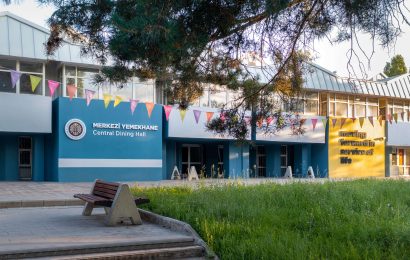
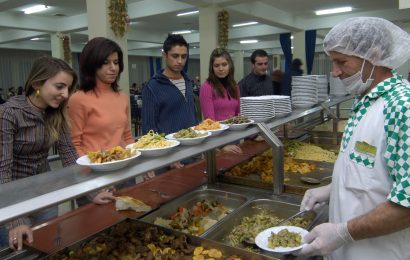
Atatürk University’s dining services represent an important component of its institutional food supply system.
The University’s Department of Health, Culture and Sports coordinates meal services for students and personnel through its campus dining infrastructure.
In 2025, Atatürk University provided:
| Food Service Indicator | 2025 |
|---|---|
| Meals served to students | 700,310 |
| Meals served to personnel | 114,087 |
| Total meals served | 814,397 |
| Student contribution per meal | TRY 37.00 |
| Personnel contribution per meal | TRY 90.50 |
These figures demonstrate the substantial scale of the University’s food service operations and the importance of responsible purchasing and supply chain management.
Food Purchasing Requirements
The University’s dining services require a continuous supply of food products, including:
- Vegetables and fruits.
- Grains, flour and bread.
- Milk and dairy products.
- Meat and poultry.
- Legumes.
- Cooking oils.
- Other ingredients required for nutritionally balanced meals.
Sustainable Food Service Management
The University integrates food purchasing with menu planning, meal preparation, storage, food safety and responsible consumption.
Its dining services provide nutritionally planned meals designed to support the health and wellbeing of students and employees.
Official evidence:
Atatürk University – 2025 Department of Health, Culture and Sports Activity Report
Atatürk University – Dining Halls and Cafeterias
5. Supporting Local and Regional Agricultural Supply Chains
Regional Agricultural Production
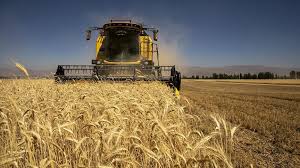
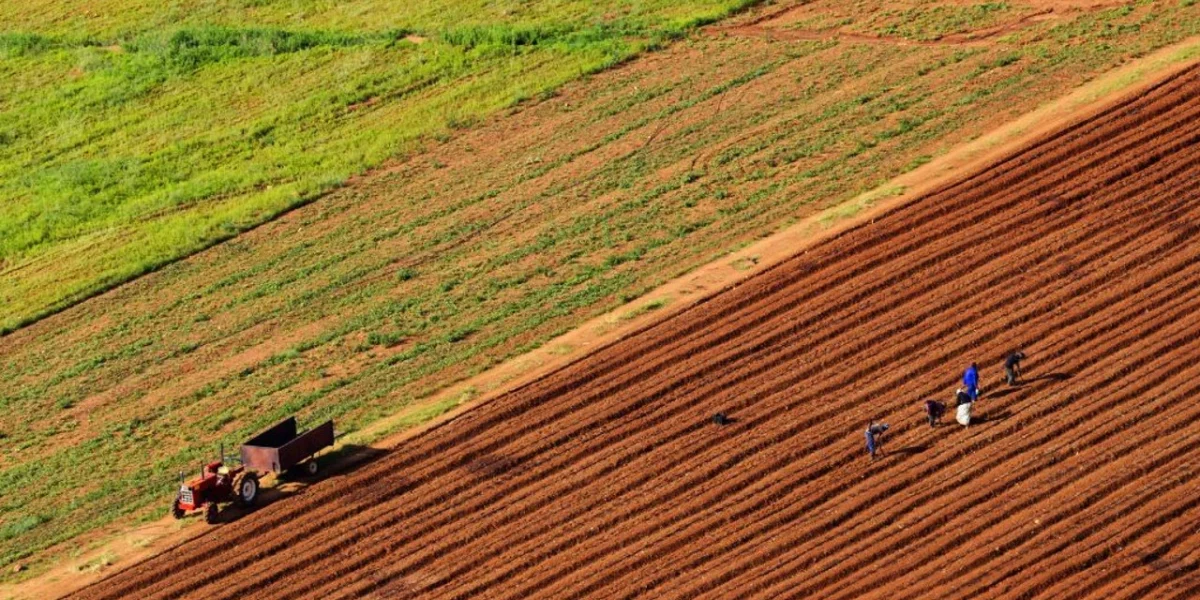
Erzurum and Eastern Anatolia have established agricultural production systems involving crop farming, livestock breeding, dairy production and food processing.
Atatürk University’s sustainable food purchasing approach recognises the value of connecting institutional food requirements with this regional production capacity.
Vegetables and Fruits
The regional agricultural economy includes the production of vegetables and fruits such as:
- Potatoes.
- Onions.
- Cabbage.
- Carrots.
- Apples.
- Seasonal vegetables.
Agricultural areas such as Oltu, Pasinler and Köprüköy contribute to the regional food production network.
The University’s local sourcing approach supports opportunities for regional agricultural products to enter institutional food supply chains.
Grains and Bakery Products
Grain production, flour milling and bakery businesses are important components of the regional food economy.
The University’s dining operations require regular supplies of bread, flour and other grain-based products.
Regional mills and bakeries represent important potential partners in sustainable institutional food supply.
Dairy Products
Milk, cheese and yoghurt are central to the regional food economy.
Atatürk University supports the dairy sector through agricultural research, food quality expertise and cooperation with regional organisations.
Its institutional approach connects food purchasing priorities with the wider development of regional dairy production.
Meat and Livestock Products
Erzurum is an important livestock production region.
The University’s food supply framework recognises the significance of product quality, appropriate storage, food safety and traceability in meat and poultry purchasing.
Legumes and Cooking Oils
Legumes and cooking oils are essential ingredients in campus meal preparation.
The University’s food purchasing system incorporates these products into its broader approach to balanced nutrition and responsible food supply management.
Regional Economic Contribution
Strengthening connections with regional suppliers supports:
- Local agricultural livelihoods.
- Food-sector employment.
- Regional agricultural enterprises.
- Shorter and more resilient supply chains.
- Agricultural entrepreneurship.
- Economic activity within Eastern Anatolia.
6. University Agricultural Production and Farm Products
Connecting Agricultural Research with Food Consumption
Atatürk University operates agricultural research and production facilities that contribute to regional food systems.
These facilities support practical agricultural education, experimental production and the development of sustainable farming methods.
University Farm Products
The University’s agricultural activities include products such as:
- Milk and dairy products.
- Eggs.
- Honey.
- Other agricultural products associated with university production activities.
The University also provides a Farm Products Sales Canteen, connecting its agricultural production activities with consumers.
Supporting Sustainable Food Systems
University agricultural production facilities contribute to:
- Applied agricultural education.
- Food production knowledge.
- Product quality.
- Sustainable agricultural practices.
- Local food awareness.
- University–community engagement.
The connection between agricultural research, production and food consumption strengthens the University’s integrated approach to sustainable food systems.
Official evidence:
Atatürk University – Farm Products and Shopping Facilities
Crop Production Application and Research Centre
7. Food Safety and Quality Assurance in Procurement
Quality Control as a Purchasing Priority
Food safety and product quality are important considerations in the University’s institutional food services.
The University’s dining system incorporates nutritional planning and food safety monitoring.
These activities support the responsible use of purchased food products.
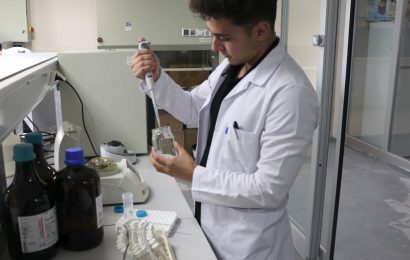
Food and Animal Research and Application Centre
The Food and Animal Research and Application Centre contributes scientific expertise and research infrastructure relevant to food production and quality.
Its activities support the University’s broader agricultural and food research ecosystem.
DAYTAM Advanced Analytical Infrastructure
The Eastern Anatolia High Technology Application and Research Centre (DAYTAM) provides advanced analytical services that can support research and product development.
Its laboratory infrastructure contributes to the University’s capacity for scientific analysis and technological innovation.
Accredited Food Analysis Infrastructure in 2025
In 2025, Atatürk University completed the project:
“Supporting the Sustainability of Accredited Food Analyses.”
The project strengthened the institutional infrastructure supporting reliable food analysis and quality assessment.
The project was completed on 25 June 2025.
Relevance to Sustainable Food Purchasing
Food analysis infrastructure contributes to responsible food systems by supporting:
- Product quality assessment.
- Food safety research.
- Analytical reliability.
- Scientific evaluation of food products.
- Quality improvement.
- Technical expertise for food-sector stakeholders.
These capabilities complement the University’s institutional commitment to safe and responsible food procurement.
Official evidence:
Supporting the Sustainability of Accredited Food Analyses – 2025 Project
Food and Animal Research and Application Centre
DAYTAM – Advanced Analytical Research Centre
8. Responsible Food Purchasing and Waste Reduction
Sustainable Consumption and Resource Efficiency
Atatürk University’s food procurement approach is closely connected with responsible consumption and waste management.
The University’s Sustainable Campus Master Plan promotes resource conservation and the reduction of waste.
These principles are particularly relevant to large-scale food service operations.
Food Waste Reduction in 2025
The University’s reported food waste figures demonstrate progress in managing the environmental impact of food services.
| Food Waste Indicator | Amount |
|---|---|
| Food waste in 2024 | 228 metric tonnes |
| Food waste in 2025 | 184 metric tonnes |
| Reduction | 44 metric tonnes |
| Percentage reduction | 19.3% |
The reduction in food waste supports the University’s commitment to more responsible food consumption and resource management.
Linking Procurement and Waste Management
Sustainable food purchasing can be strengthened through:
- Accurate demand forecasting.
- Appropriate purchasing quantities.
- Menu planning.
- Proper storage.
- Stock management.
- Food safety procedures.
- Waste monitoring.
- Responsible consumption.
These practices help align institutional food purchasing with sustainability objectives.
Environmental Benefits
Reducing food waste contributes to:
- More efficient use of food resources.
- Lower environmental pressures.
- Reduced avoidable disposal.
- Greater operational efficiency.
- More sustainable campus food systems.
Official resources:
Atatürk University – Sustainable Campus Master Plan
Atatürk University – Solid and Hazardous Waste Management Coordination Office
9. University–Producer Cooperation and Sustainable Agricultural Development
Supporting Regional Food Production
Atatürk University strengthens the regional food economy through research, education and cooperation with agricultural stakeholders.
These activities complement its institutional food purchasing commitments.
Agricultural Training and Research
The University’s Faculty of Agriculture and agricultural research centres support:
- Sustainable crop production.
- Soil improvement.
- Agricultural biotechnology.
- Organic fertilisers.
- Livestock development.
- Food quality.
- Sustainable farming technologies.
Regional Dairy Sector Cooperation
The University also cooperates with the Erzurum Commodity Exchange Agricultural and Livestock Development Company, which established an R&D office at ATA Teknokent.
This cooperation addresses dairy production and supply chain technologies, including:
- Milk collection.
- Cold chain management.
- Storage.
- Processing.
- Food safety.
- Product quality.
These initiatives contribute to the development of regional agricultural production and food supply capabilities.
Sustainable Agricultural Research in 2025
The University initiated research on microbial fertilisers and soil improvement during 2025.
Such research supports the development of environmentally responsible agricultural inputs and strengthens the scientific foundations of sustainable production.
Official evidence:
ATA Teknokent – Agricultural and Livestock Development R&D Office
Microbial Fertilisers for Sustainable Agricultural Systems – 2025 Project
10. Environmental, Economic and Social Benefits
Economic Sustainability
The University’s food purchasing approach supports the development of relationships with regional agricultural and food businesses.
These relationships contribute to the regional economy by creating opportunities for suppliers to participate in institutional food markets.
Environmental Sustainability
The emphasis on local production, sustainable agriculture and responsible consumption supports efforts to reduce environmental pressures.
Regional sourcing can reduce transportation requirements, while improved food management helps limit avoidable waste.
Social Sustainability
Responsible food purchasing contributes to:
- Affordable campus meals.
- Food security.
- Student and staff wellbeing.
- University–community cooperation.
- Regional agricultural development.
- Support for local livelihoods.
Institutional Sustainability
The University’s procurement and food service activities are integrated with its broader sustainability planning and administrative management.
This approach connects institutional purchasing with environmental and social responsibility.
11. Summary of Sustainable Food Purchasing Practices in 2025
| Area | Institutional Practice or 2025 Evidence |
|---|---|
| Sustainable procurement framework | Sustainable Campus Master Plan emphasising local and organic food |
| Regional sourcing | Institutional approach supporting local and regional agricultural suppliers |
| Procurement management | Public procurement procedures and institutional purchasing controls |
| Total meals served in 2025 | 814,397 |
| Student meals | 700,310 |
| Personnel meals | 114,087 |
| Student meal contribution | TRY 37.00 |
| Personnel meal contribution | TRY 90.50 |
| Food supply categories | Vegetables, fruits, grains, dairy, meat, legumes and oils |
| University agricultural production | Farm products and agricultural research facilities |
| Food safety | Nutritional planning, quality monitoring and analytical research infrastructure |
| 2025 food analysis project | Supporting the Sustainability of Accredited Food Analyses |
| 2025 food waste reduction | 19.3% decrease compared with 2024 |
| Regional cooperation | Agricultural research and dairy supply chain technology partnerships |
12. Contribution to the Sustainable Development Goals
SDG 2 – Zero Hunger
Sustainable food purchasing supports food security through the provision of affordable and nutritious campus meals and by recognising the importance of regional agricultural production.
SDG 8 – Decent Work and Economic Growth
Institutional purchasing opportunities and agricultural cooperation support regional enterprises, employment and economic development.
SDG 12 – Responsible Consumption and Production
Sustainable procurement principles, food safety practices and waste reduction contribute to more responsible food systems.
SDG 13 – Climate Action
Regional sourcing opportunities, resource efficiency and food waste reduction contribute to efforts to limit the environmental impact of food consumption.
SDG 17 – Partnerships for the Goals
Cooperation with farmers, agricultural enterprises, research institutions and regional organisations strengthens sustainable food supply chains.
Conclusion
Atatürk University demonstrates its commitment to sustainable food purchasing, responsible consumption and regional agricultural development through its institutional procurement framework, campus dining services and agricultural partnerships.
The University’s Sustainable Campus Master Plan explicitly recognises the importance of local and organic food products, providing an institutional foundation for sustainable food sourcing.
In 2025, the University served 814,397 meals to students and personnel, demonstrating the scale and significance of its food purchasing operations.
Its food procurement approach is supported by transparent administrative procedures, food quality management, agricultural research and regional supplier relationships.
The University’s food safety capabilities were further strengthened through the 2025 project supporting the sustainability of accredited food analyses.
At the same time, reported food waste decreased from 228 metric tonnes in 2024 to 184 metric tonnes in 2025, representing a 19.3% reduction.
By integrating local sourcing priorities, responsible purchasing, food safety, agricultural cooperation and waste reduction, Atatürk University contributes to more sustainable food systems and regional economic resilience.
These initiatives support SDG 2 – Zero Hunger, Indicator 2.5.4: Sustainable Food Purchases.