
Atatürk University | SDG 2 – Zero Hunger | Indicator 2.3.3 | Reporting Year: 2025
1. Institutional Commitment to Sustainable and Inclusive Food Choices
Atatürk University is committed to providing sustainable, affordable, nutritious and inclusive food choices for students, academic staff and administrative personnel across its campuses.
The University recognises that sustainable nutrition involves not only access to sufficient food but also dietary diversity, nutritional quality, responsible consumption, food safety and environmentally conscious practices.
Through its comprehensive campus dining infrastructure, Atatürk University provides a variety of food services that accommodate different nutritional preferences and dietary needs.
These include vegetarian and vegan menu options available in university canteens, nutritionally planned meals in institutional dining halls, and additional food choices offered through campus cafeterias and restaurants.
The University’s food services are coordinated primarily by the Department of Health, Culture and Sports, particularly its Nutrition Services Branch.
During 2025, Atatürk University served 814,397 meals, including 700,310 student meals and 114,087 personnel meals.
The student meal contribution was maintained at TRY 37 per meal, helping ensure that affordable nutrition remained accessible to the university community.
The University’s approach to sustainable food provision integrates five priorities:
- Dietary diversity: Offering vegetarian, vegan and conventional food choices.
- Affordability: Providing institutionally subsidised meals.
- Nutritional quality: Planning menus according to nutritional requirements.
- Accessibility: Maintaining dining facilities across the central campus and district locations.
- Environmental responsibility: Supporting sustainable agriculture, food safety, waste reduction and resource efficiency.
These practices contribute to the development of an inclusive and sustainable campus food environment.
Official evidence:
2025 Department of Health, Culture and Sports Activity Report
Atatürk University – Campus Dining Services
2. Comprehensive Campus Dining Infrastructure

Dining Halls, Canteens and Cafeterias
Atatürk University operates an extensive food service network designed to provide accessible dining opportunities throughout the academic day.
Its campus dining infrastructure includes:
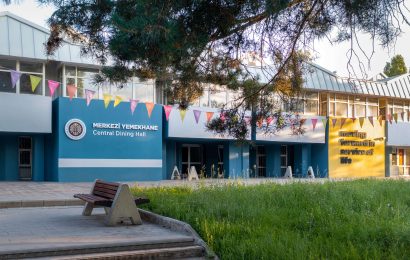
- One central dining hall.
- Eight additional dining facilities located across the university.
- More than 40 canteens serving academic and administrative areas.
- Restaurants and cafeterias offering supplementary food and beverage services.
The University’s broader campus facilities also include five restaurants and seven cafeterias, providing a diverse range of dining environments.
This infrastructure enables students and staff to select from institutional meals, canteen menus and other campus food services according to their nutritional preferences and daily schedules.
Dining Services Across District Campuses
The University’s 2025 activity report documents food service provision at district vocational schools, including:
- Tortum Vocational School.
- Horasan Vocational School.
- Oltu Vocational School.
- Narman Vocational School.
- Aşkale Vocational School.
- Hınıs Vocational School.
- Pasinler Vocational School.
- İspir Vocational School.
These facilities extend access to university dining services beyond the Erzurum central campus.
Dining Service Capacity
The University’s institutional dining infrastructure has an indicative daily capacity of approximately 10,000 students.
This capacity supports the provision of meals to a large and geographically distributed university population.
Official evidence:
Atatürk University – Dining Halls and Cafeterias
Atatürk University – Campus Food and Beverage Facilities
3. Vegetarian and Vegan Food Choices
Plant-Based Menu Availability
Atatürk University promotes dietary diversity by providing vegetarian and vegan menu options in its campus canteens.
These alternatives allow students and staff to select meals according to their dietary preferences, ethical considerations and individual nutritional choices.
Vegetarian menus provide options that exclude meat and fish, while vegan menus offer plant-based choices that exclude animal-derived ingredients.
The availability of these alternatives contributes to a more inclusive campus dining environment.
Supporting Sustainable Dietary Practices
Plant-based food choices are an important component of sustainable food systems.
By offering vegetarian and vegan alternatives, the University supports:
- Greater diversity in campus food choices.
- Access to plant-based nutrition.
- Accommodation of different dietary preferences.
- Awareness of environmentally responsible eating habits.
- Student autonomy in selecting meals.
- Inclusive participation in campus dining services.
Providing plant-based choices also supports broader efforts to encourage dietary patterns that can reduce environmental pressures associated with food production.
Integration into Campus Food Services
Vegetarian and vegan options are available through the University’s canteen services alongside conventional food offerings.
This arrangement enables students and staff to choose food that reflects their personal preferences while remaining within the campus food service network.
The University’s commitment to dietary diversity complements its institutional meal provision and wider sustainability strategy.
4. Nutritionally Balanced Meals
Four-Course Institutional Menus
Atatürk University’s dining halls provide four-course set menus designed to support the daily nutritional needs of students and staff.
Weekly menus are prepared in advance, taking into consideration essential nutritional indicators, including:
- Calorie requirements.
- Protein requirements.
- Meal composition.
- Dietary balance.
- Variety in food provision.
This planning process supports the consistent provision of structured meals throughout the academic year.
Nutritional Quality and Student Wellbeing
The University’s approach recognises that nutritional quality is essential to physical health, concentration and academic performance.
Institutional menu planning helps students access prepared meals that contribute to their daily nutritional requirements.
The availability of vegetarian and vegan options in campus canteens further expands students’ opportunities to select food according to their dietary preferences.
Together, these services support balanced nutrition, food diversity and inclusive campus dining.
Official evidence:
Atatürk University – Dining Halls and Cafeterias
5. Affordable and Accessible Sustainable Food
Subsidised Student Meals
Affordability is an essential dimension of sustainable food access.
Atatürk University maintains institutionally determined meal prices to help students obtain nutritious food without excessive financial burden.
During 2025, the University maintained a student meal contribution of TRY 37.
| Dining Indicator | 2025 |
|---|---|
| Student meal contribution | TRY 37.00 |
| Personnel meal contribution | TRY 90.50 |
| Student meals served | 700,310 |
| Personnel meals served | 114,087 |
| Total meals served | 814,397 |
The University’s subsidised dining arrangements provide an affordable alternative to commercially priced meals.
Institutional Investment in Dining Services
The 2025 Department of Health, Culture and Sports Activity Report records substantial institutional expenditure on food services.
| Expenditure Category | 2025 |
|---|---|
| Institutional payment for meal services | TRY 48,460,944.50 |
| Institutional payment for district dining services | TRY 20,077,749.24 |
| Total | TRY 68,538,693.74 |
These financial commitments support the continuity and accessibility of institutional dining services.
Free Meal Scholarships
Atatürk University’s Meal Scholarship Programme provides additional support for students experiencing financial difficulties.
Eligible students can receive one free meal every weekday throughout the academic year.
The programme continued during the 2025–2026 academic year, as demonstrated by official application announcements published in September and October 2025.
This targeted intervention helps ensure that financial hardship does not prevent eligible students from accessing regular meals.
Official evidence:
2025 Department of Health, Culture and Sports Activity Report
Atatürk University – Meal Scholarship Programme
Meal Scholarship Application Announcement – September 2025
6. Food Service Hours and Daily Accessibility
Atatürk University’s dining halls, canteens and cafeterias provide food access during different periods of the academic day.
Dining Hall Meal Service
The University’s established dining arrangements include the following meal service periods:
| Meal Service | Service Hours |
|---|---|
| Lunch | 11:00–14:00 |
| Dinner | 16:00–18:00 |
These meal periods support students and staff in accessing prepared meals around academic and administrative schedules.
Individual facilities may operate according to their own service arrangements.
Canteen Services
University canteens provide supplementary food and beverage services during the teaching day.
For example, the Faculty of Fine Arts canteen has documented weekday operating hours of 08:00–17:00.
Canteens offer additional flexibility for students seeking meals, snacks and beverages outside institutional dining hall service periods.
Their menus also include vegetarian and vegan alternatives, supporting dietary diversity.
Additional Evening Services
During Ramadan 2025, the University organised free iftar meals at designated dining facilities.
The Central Dining Hall and district dining halls were scheduled to provide iftar services on weekdays and weekends, while the Faculty of Letters Dining Hall was scheduled to serve students on weekdays.
This initiative demonstrates the University’s capacity to adapt its dining arrangements to students’ needs.
Official evidence:
Atatürk University – Campus Food Services
Faculty of Fine Arts – Orientation Information
Atatürk University – Free Iftar Meals, February 2025
7. Food Safety, Hygiene and Quality Assurance
Institutional Food Safety Practices
Atatürk University places importance on the safety and quality of food served across its campus dining facilities.
Its Nutrition Services Branch oversees institutional meal provision and associated operational arrangements.
Meals are subject to routine checks before service, supporting consistent food preparation and distribution.
The University’s academic expertise in food engineering, agriculture and veterinary sciences also contributes to its broader food safety capacity.
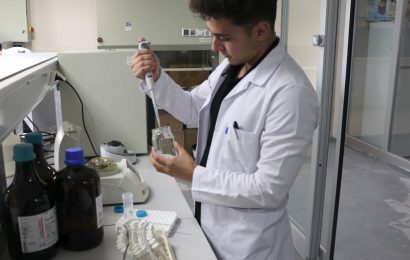
Accredited Food Analysis Research
A university-supported project titled “Supporting the Sustainability of Accredited Food Analyses” was completed on 25 June 2025.
The project, led by Prof. Dr. Mükerrem Kaya, focused on maintaining accredited food analysis capabilities.
It contributes to the University’s broader institutional capacity in food quality assurance, laboratory analysis and sustainable food safety practices.
These activities complement the University’s commitment to providing safe and reliable food services.
Official evidence:
Supporting the Sustainability of Accredited Food Analyses – 2025
Atatürk University – Nutrition Services Branch
8. Sustainable Agriculture and Local Food Systems
Sustainable Campus Master Plan
Atatürk University’s Sustainable Campus Master Plan provides a strategic foundation for environmentally responsible campus development.
The plan addresses sustainable food systems and recognises the importance of local and organic products, responsible resource consumption and environmentally conscious institutional practices.
These principles support the University’s wider commitment to integrating sustainability into campus operations.
University Agricultural Production
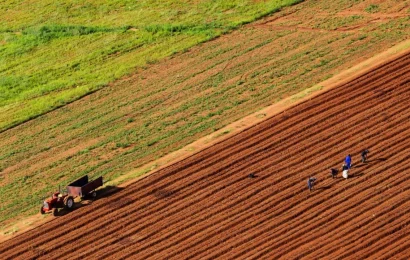
Atatürk University maintains agricultural education, research and production activities through its academic and applied research units.
The University’s Farm Products Sales Canteen provides campus access to products associated with its Food and Livestock Application and Research Center.
These include agricultural and food products such as milk, eggs and honey.
This facility strengthens the relationship between university-based agricultural activities and food access within the campus community.
Local Food Safety and Sustainable Production
During 2025, Atatürk University implemented the project “Honey, Bees, and Quality: Food Safety Starts Locally”, which ran from 1 September to 22 December 2025.
The project focused on beekeeping, food quality and sustainable local production in the Hınıs district and surrounding villages.
Activities addressed:
- Food quality standards.
- Safe honey production.
- Modern production techniques.
- Local producer awareness.
- Biodiversity conservation.
- Ecological sustainability.
- Regional agricultural development.
The initiative demonstrates the University’s contribution to sustainable regional food systems and food safety awareness.
Official evidence:
Atatürk University – Sustainable Campus Master Plan
Atatürk University – Farm Products Sales Facilities
Honey, Bees, and Quality: Food Safety Starts Locally – 2025
9. Sustainable Agricultural Research
Atatürk University supports research addressing environmentally responsible agricultural production.
In April 2025, the University initiated a project focused on developing microbial fertilisers using locally developed bacterial formulations.
The project aimed to contribute to sustainable agricultural systems through soil improvement and plant growth promotion.
Such research supports the development of agricultural approaches that may reduce dependence on conventional chemical inputs and improve the sustainability of food production systems.
The University’s research activities complement its operational food services by contributing scientific knowledge relevant to sustainable agriculture and food security.
Official evidence:
Development of Microbial Fertilisers for Sustainable Agricultural Systems – 2025
10. Food Waste Reduction and Responsible Consumption
Reducing food waste is an important component of sustainable campus food provision.
Atatürk University promotes responsible resource consumption through its institutional waste management framework.
During 2025, the University reported 184 metric tonnes of food waste, compared with 228 metric tonnes in the previous reporting year.
This represents:
- A reduction of 44 metric tonnes.
- An improvement of approximately 19.3%.
The reduction reflects progress in the University’s reported food waste performance.
Contribution to Sustainable Food Choices
Food waste reduction supports sustainable food systems by:
- Encouraging efficient resource use.
- Reducing avoidable food losses.
- Supporting responsible consumption.
- Lowering the environmental burden associated with waste.
- Promoting sustainability awareness across campus operations.
The University’s Office of Solid and Hazardous Waste Management provides an institutional framework for waste management and resource recovery.
Institutional evidence:
Atatürk University – Office of Solid and Hazardous Waste Management
11. Sustainable Beverage Packaging and Recycling

Atatürk University also promotes environmentally responsible beverage consumption and packaging recovery.
Deposit Management System – 2025
In August 2025, a Deposit Management System was introduced on the University campus.
Deposit return machines were installed at the Central Dining Hall and Reading Hall.
The system enables users to return eligible glass, plastic and aluminium beverage containers and receive the applicable deposit through digital wallets.
This initiative supports:
- Beverage packaging recovery.
- Recycling participation.
- Responsible consumption.
- Resource efficiency.
- Student awareness of circular economy practices.
The initiative complements the University’s broader sustainability activities and encourages environmentally responsible behaviour within campus food and beverage environments.
12. Student Engagement and Sustainable Food Awareness
Atatürk University encourages students to participate in developing a sustainable campus culture.
The availability of vegetarian and vegan menu options in university canteens supports awareness of plant-based dietary choices and encourages students to consider different approaches to nutrition.
The University’s broader sustainability activities also promote:
- Responsible food consumption.
- Food waste reduction.
- Recycling and resource conservation.
- Sustainable agricultural production.
- Food safety awareness.
- Environmental responsibility.
Student feedback and communication channels provide opportunities to express preferences concerning food services, dietary needs and campus facilities.
These interactions contribute to the continuous development of an inclusive and student-oriented campus environment.
13. Institutional Coordination
Atatürk University’s sustainable food services are supported by several institutional units.
Department of Health, Culture and Sports
Coordinates institutional dining services and student welfare activities.
Nutrition Services Branch
Organises university dining operations and menu planning.
Social Services Branch
Administers student support mechanisms, including meal scholarships.
Faculty and Campus Food Service Units
Provide additional dining opportunities, including vegetarian and vegan menu options in university canteens.
Agricultural and Food Research Units
Contribute to food safety, sustainable agriculture, food production and quality assurance research.
Office of Solid and Hazardous Waste Management
Supports waste management, recycling and responsible resource use.
This institutional structure helps integrate nutritional quality, food accessibility, dietary diversity and environmental sustainability into the University’s broader campus operations.
14. Summary of Sustainable Food Practices in 2025
| Sustainability Dimension | Institutional Practice |
|---|---|
| Vegetarian food choices | Vegetarian menu options in university canteens |
| Vegan food choices | Plant-based menu options in university canteens |
| Nutritional quality | Four-course menus planned with calorie and protein considerations |
| Affordable meals | TRY 37 student meal contribution |
| Food service provision | 814,397 meals served during 2025 |
| Dining accessibility | Central, faculty and district dining facilities |
| Student food assistance | Need-based free meal scholarships |
| Food safety | Institutional meal checks and food analysis research |
| Sustainable agriculture | Research into environmentally responsible agricultural production |
| Local food systems | University agricultural products and regional food safety projects |
| Food waste reduction | Reported 19.3% decrease in food waste |
| Responsible packaging | Campus deposit return system introduced in 2025 |
15. Contribution to SDG 2 – Zero Hunger
Atatürk University’s sustainable food practices support several dimensions of SDG 2.
Dietary Inclusivity: Vegetarian and vegan menu options provide students and staff with a broader range of food choices.
Affordable Nutrition: Subsidised institutional meals help ensure access to prepared food at a manageable cost.
Nutritional Quality: Four-course menus planned with consideration of nutritional requirements support healthy eating.
Food Accessibility: Dining facilities across the central campus and district locations provide geographically distributed food services.
Sustainable Food Systems: Agricultural research, food safety projects and university-based production activities support sustainable food development.
Responsible Consumption: Food waste reduction and beverage packaging recovery contribute to resource efficiency.
Student Wellbeing: Meal scholarships and affordable food services help reduce financial barriers to adequate nutrition.
Together, these practices demonstrate the University’s commitment to creating an inclusive, accessible and environmentally responsible campus food environment.
Conclusion
Atatürk University promotes sustainable, inclusive and affordable food choices through its comprehensive dining infrastructure, nutritionally planned meals, vegetarian and vegan menu options, food safety practices and sustainability initiatives.
In 2025, the University served 814,397 meals, including 700,310 student meals, while maintaining a student meal contribution of TRY 37.
Its campus canteens offer vegetarian and vegan food choices, supporting dietary diversity and enabling students and staff to select meals according to their nutritional preferences.
The University’s dining halls provide four-course menus planned with consideration of calorie and protein requirements, while its distributed food service network supports access across central and district campuses.
These services are complemented by food safety research, sustainable agricultural projects, local food initiatives, food waste reduction and recycling practices.
Through these coordinated activities, Atatürk University advances sustainable campus nutrition, responsible consumption and inclusive food access.
The University’s efforts contribute directly to SDG 2 – Zero Hunger, Indicator 2.3.3: Sustainable Food Choices on Campus.